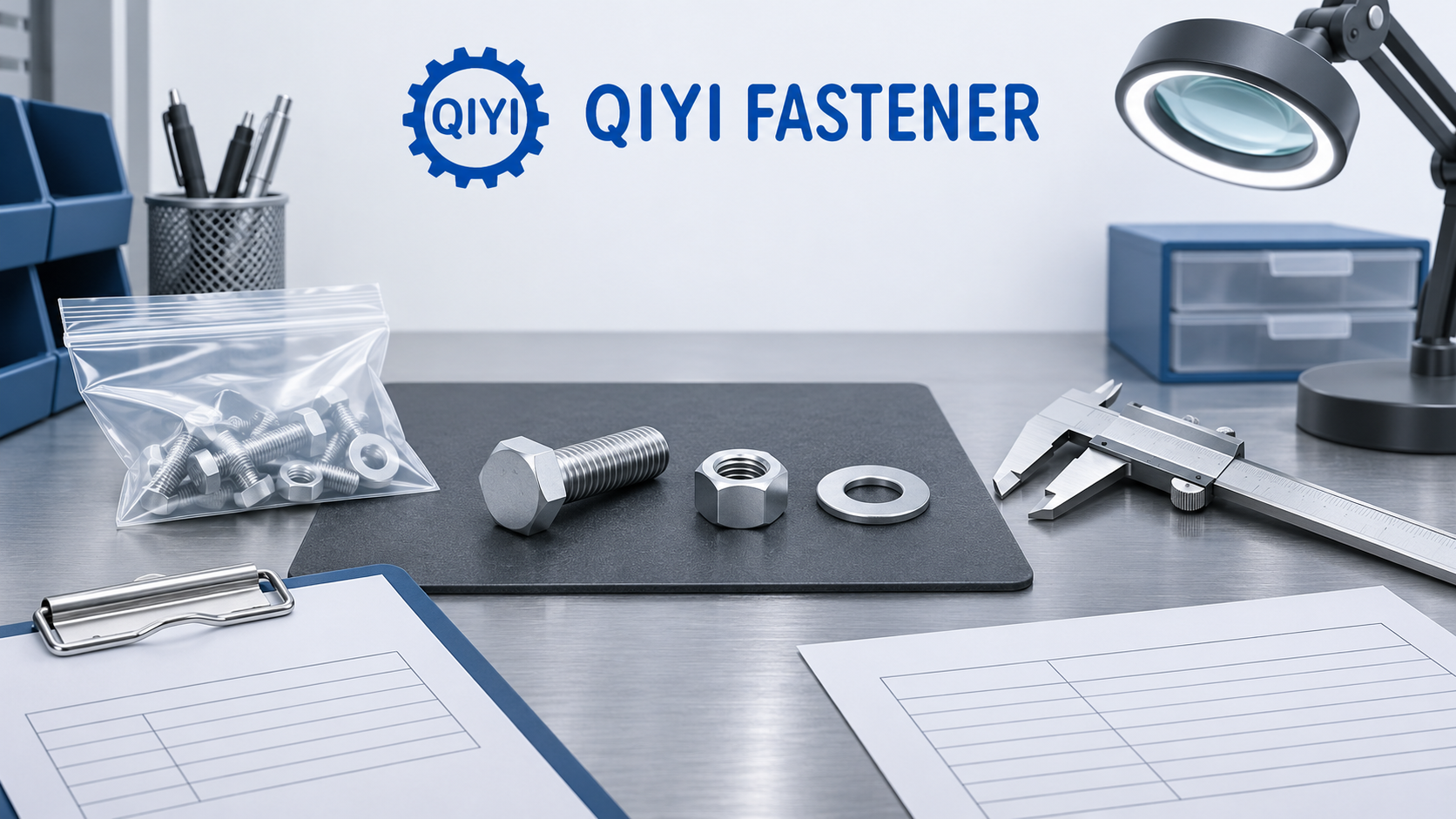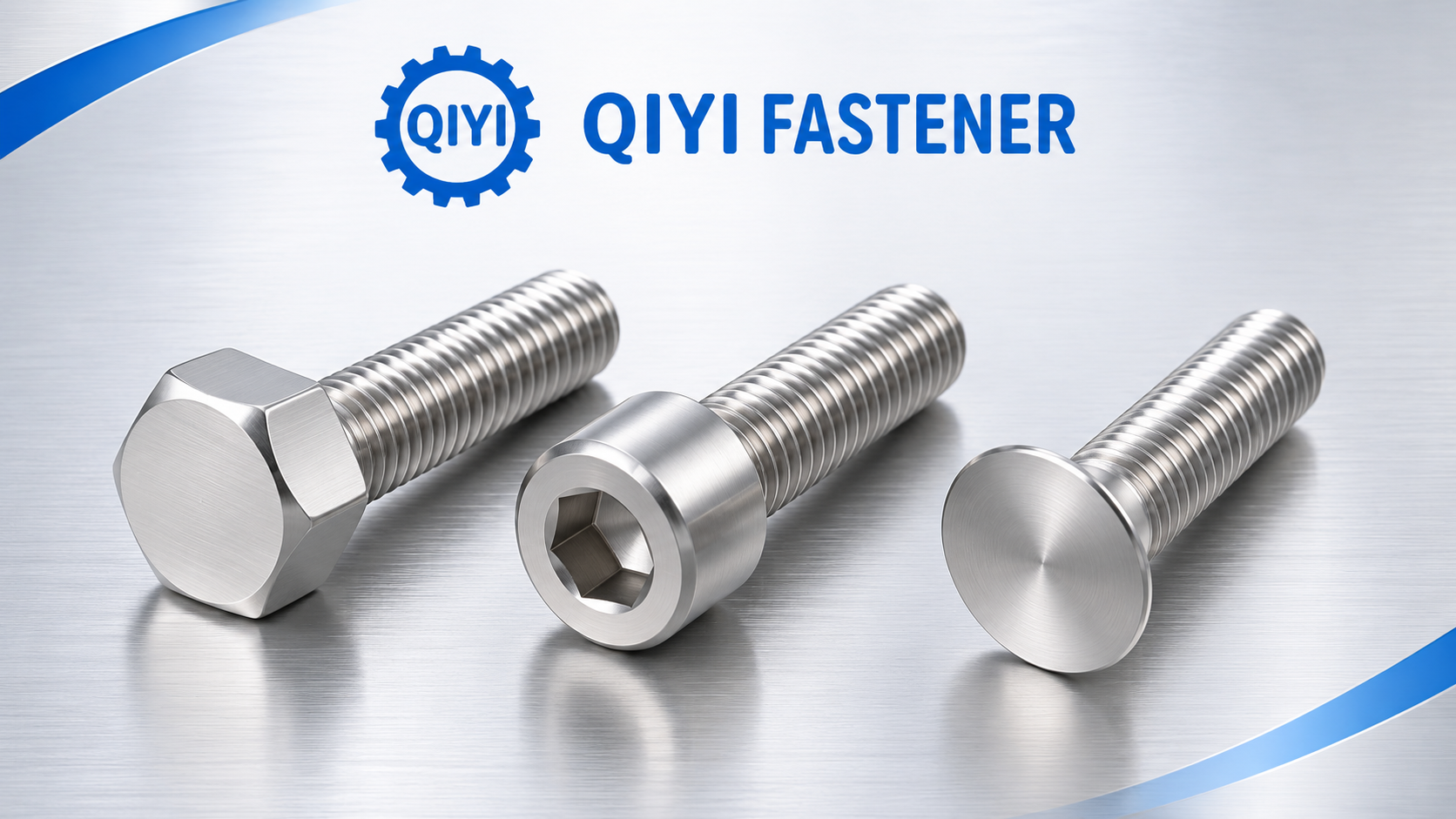
To get comparable quotes for custom bolts, show suppliers where the head bears, how far the thread should extend, and what must be inspected after finishing. A request that gives only diameter, length, and quantity can produce several plausible quotes for bolts that fit different joints.
Put the critical feature on the RFQ cover sheet even if it already appears in the drawing. For a fixture where an unthreaded shank passes through a bracket, write that the grip geometry is critical and point to the section. The estimator can then price the required interface instead of treating overall length as the only difference from a standard bolt.
Define the length against the assembled stack
Start with the surface from which the drawing measures length. For many noncountersunk bolts, that reference is under the head. A countersunk head or a special bearing face can change the convention. The drawing should show the dimension from its intended datum. Confirm which edge, head surface, or shoulder is used to inspect it.
Overall underhead length, usable thread length, and unthreaded grip serve different jobs. If the drawing calls for a partial thread, identify where the transition and any permitted runout can fall. When a nut or tapped hole is used, show where engagement starts and where the tip ends in the finished assembly. For a blind hole, include usable depth. For a through joint, call out any projection limit, such as space behind a guard.
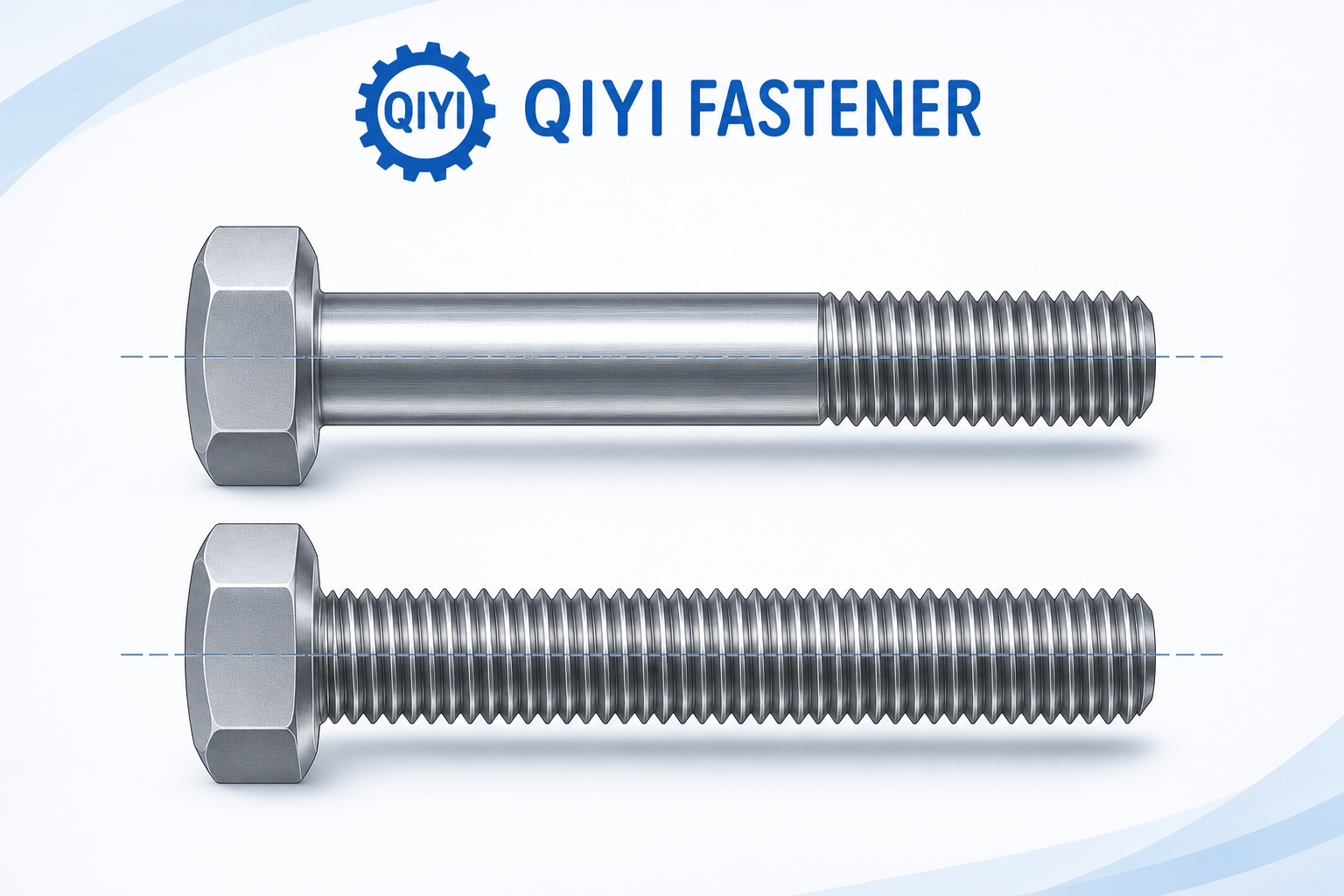
Consider two bolts with the same head and underhead length. One quote describes a full thread and the other uses a smooth grip through a close-fitting bracket. Both can match a line in the purchasing system. Only the one that matches the drawing’s grip and thread requirements belongs in a direct price comparison.
Let the head and finish answer specific constraints
Besides nominal head dimensions, show the bearing footprint, socket or wrench clearance, and any orientation feature. An assembly with limited clearance may need a defined head height or a particular underside profile. Give the supplier the mating section and the clearance envelope so they can flag conflicts before production.
Call out material and any required property class, grade, or inspection standard as the drawing specifies. State the finish and which dimensions or threads are measured in the finished condition. Ask the supplier to record the quoted finish and how they will check the relevant features after processing. Color and appearance can help identify an option, but the purchase record needs the agreed callout.
Some quotes assume a cut or rolled thread or a particular forming route. If the design requires a given process, say so. If the process is open, ask for proposed manufacturing and inspection conditions that might change the drawing or sample approval, rather than trying to infer them from price.
How to Compare Quotes for Custom Bolts
| RFQ line | Send | Ask the supplier to return |
|---|---|---|
| Controlled geometry | Part number, revision, model if useful, bearing face, head and grip | Quoted revision, exceptions, and dimension references |
| Thread and finish | Thread system and class, thread extent, material and coating | Finished condition and proposed checks |
| Approval | Sample quantity and inspection or documentation needs | Sample basis, lead-time milestones, and approval triggers |
| Commercial comparison | Initial quantity, repeat batches, packing, and delivery location | Tooling or setup separately from unit price, packaging and delivery terms |
Make the list short enough to compare at a glance. If a spare part fits an existing drawing, ask the supplier to identify the catalog part and document any differences. If a new tool or process is proposed, request separate pricing and ask whether that expense recurs after a change to the drawing. Quote terms should make clear which decisions remain open.
For a profile joint using a standard head shape, start by comparing the drawing with the QIYI T-bolt catalog. If the component still needs a special head, thread length, finish, or other combination, submit a controlled part drawing for feasibility and a quote. A related product family gives context for the request, while the supplier’s response determines whether the particular part and documentation can be provided.
Resolve an exception before approving samples
Imagine that a quote lists a different finish from the drawing and gives a lower unit price. Ask the supplier to separate an exact-match quote from their alternate. State whether the alternate must be reviewed for fit, contact surfaces, or installation controls. A cheaper alternate might still be useful, but the buyer should be able to compare exact-match proposals first.
Before approving the sample, match its label and report to the quoted revision. Verify the critical geometry with the planned method, then identify which checks repeat in production and which documents accompany the first shipment. The purchase order can carry the agreed revision, quantity, finish, and approval record once the remaining exceptions are closed.