Choose a custom screw manufacturer by giving each supplier the same drawing and asking them to quote the same inspection, quantity, and delivery requirements. A low price per screw has limited meaning if one quote includes new tooling and first samples, while another assumes a catalog part, a different finish, or a later approval step.
Begin with the reason for customization. A standard thread with a harder-to-find head height is a different project from a new point geometry, a captive feature, or a proprietary drive. Write the constraint in a sentence the estimator can check against the drawing. For example, the head has to clear a moving cover after tightening, while still accepting the production driver.
Give the Custom Screw Manufacturer the Mating Details
Send the controlled two-dimensional drawing with the part number and revision. If there is a model, identify its revision as well and agree which file controls if they differ. Include the area of the assembly that constrains the head, thread, or point. A full assembly model often isn’t necessary. A section through the screw axis and the mating hole can carry the details a supplier needs to review feasibility.
| Supply this | Ask the estimator to confirm |
|---|---|
| Head shape, height envelope, bearing surface, and drive | Tool access, recess compatibility, and what will be measured on a first sample |
| Thread, usable length, point, and mating material | What mates with the screw and which finished condition is being quoted |
| Material, finish, and surface restrictions | Exact callouts, any proposed substitution, and whether a finish or operation is outsourced |
| Sample quantity, initial batch, and repeat demand | Separate pricing, tooling, lead-time milestones, and repeat-order assumptions |
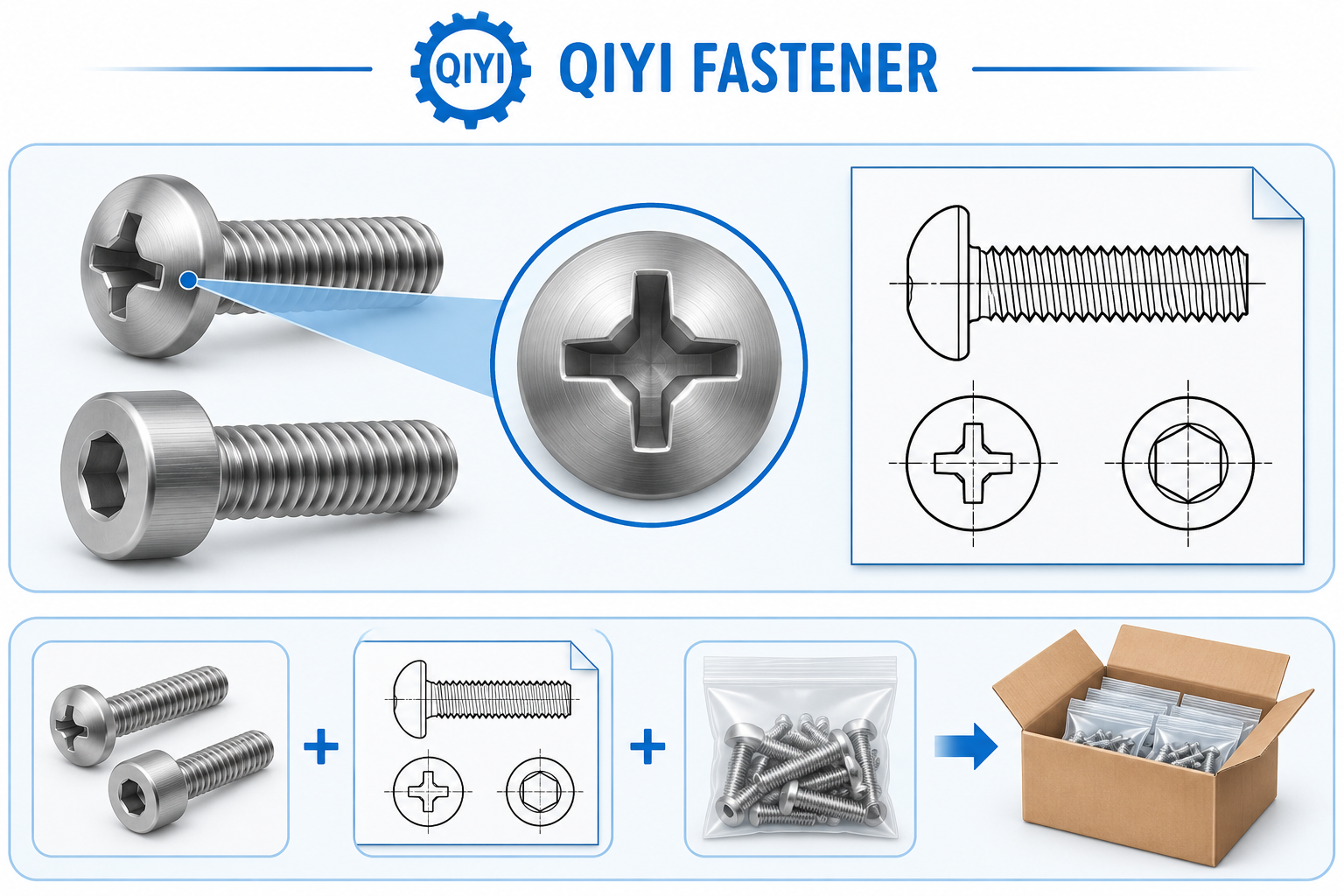
If you only have a physical sample, mark what is known and what you want the supplier to measure. A used screw can show a deformed drive, worn threads, or a damaged finish. Request a new drawing or a reviewable dimensional record before accepting a production quote. Keep the mating part available so the team can check intended fit instead of inferring it from wear marks.
Ask whether a catalog part can still work
Make the supplier name the starting point: catalog part, modified standard, or part made to your drawing. The categories tell you which dimensions and commercial terms might change. A listed part can speed sourcing if its head envelope, thread, finish, and clearance fit the drawing. A modification may need new inspection even when the starting item is familiar. A made-to-drawing item needs an explicit basis for tooling and approval.
Ask each supplier to call out departures in a short exceptions list. An alternate finish or head height can look innocuous to purchasing and still interfere with the assembly, torque procedure, or marking requirements. Give the engineer a chance to accept an exception before a supplier prices or produces it as the default.
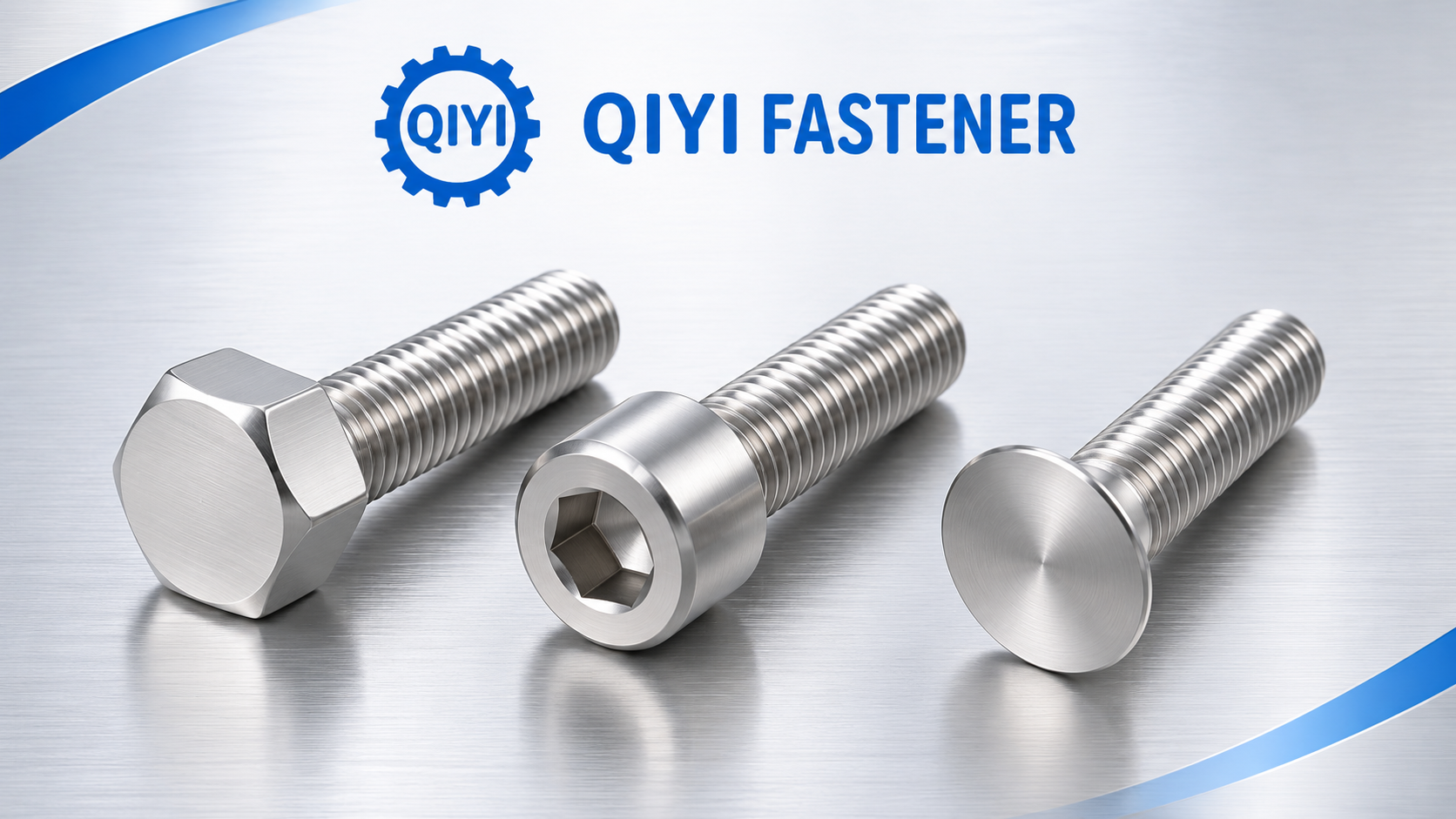
For a standard comparison, the QIYI socket head cap screw listing can help establish the listed head and thread options. For a noncatalog part, send the dimensions and drawing for feasibility review. Take manufacturing method, tolerances, minimum order, and delivery terms from the response to your specific part.
Compare samples and batch quotes on the same basis
Request separate lines for tooling or setup, prototype or first article pieces, the first production run, and repeat volume. Ask when the production lead time starts. A date measured from the first order and one measured from signed sample approval describe different schedules. For a repeated order, ask what happens to pricing and timing if a drawing or finish is revised.
Distinguish pieces used for fit from pieces made through the proposed serial process. A sample machined to clear the cover can answer a fit question. If volume parts will be made by a different route, ask which characteristics need approval on a representative process sample. Record the source, revision, the measurement method, and sign-off requirements. Keep acceptance criteria on the purchase order or associated drawings rather than in an unrelated email thread.
Consider a short-head screw under a moving cover. Two suppliers quote the same thread and nominal length. One will verify head height using the head datum from your drawing, and the other quotes an existing low-head part without a tolerance for that feature. Before comparing price, ask the second supplier to identify the quoted dimension and inspection method. The buyer can then compare a controlled proposal with another controlled proposal or reject the exception before tooling.
Send an RFQ that can be reopened later
Use a subject line with the part number and revision. Attach the controlled drawing, mating section, quantity tiers, and requested sample date. In the message, identify the critical interface, list the documents required with samples and the batch, and ask for explicit deviations. Request that the same part number and revision appear on the quote and on any sample report.
A useful response gives an unambiguous line item, conditions for acceptance, one point of contact for technical changes, and a cost breakdown you can compare. If the response says only that the screw is “customizable,” follow up on the head, drive, thread fit, and lot documentation before choosing the supplier.