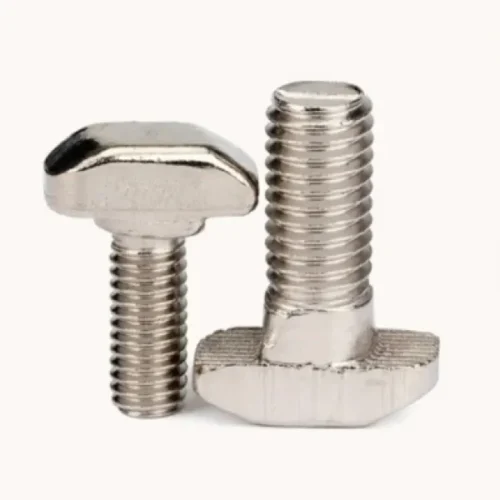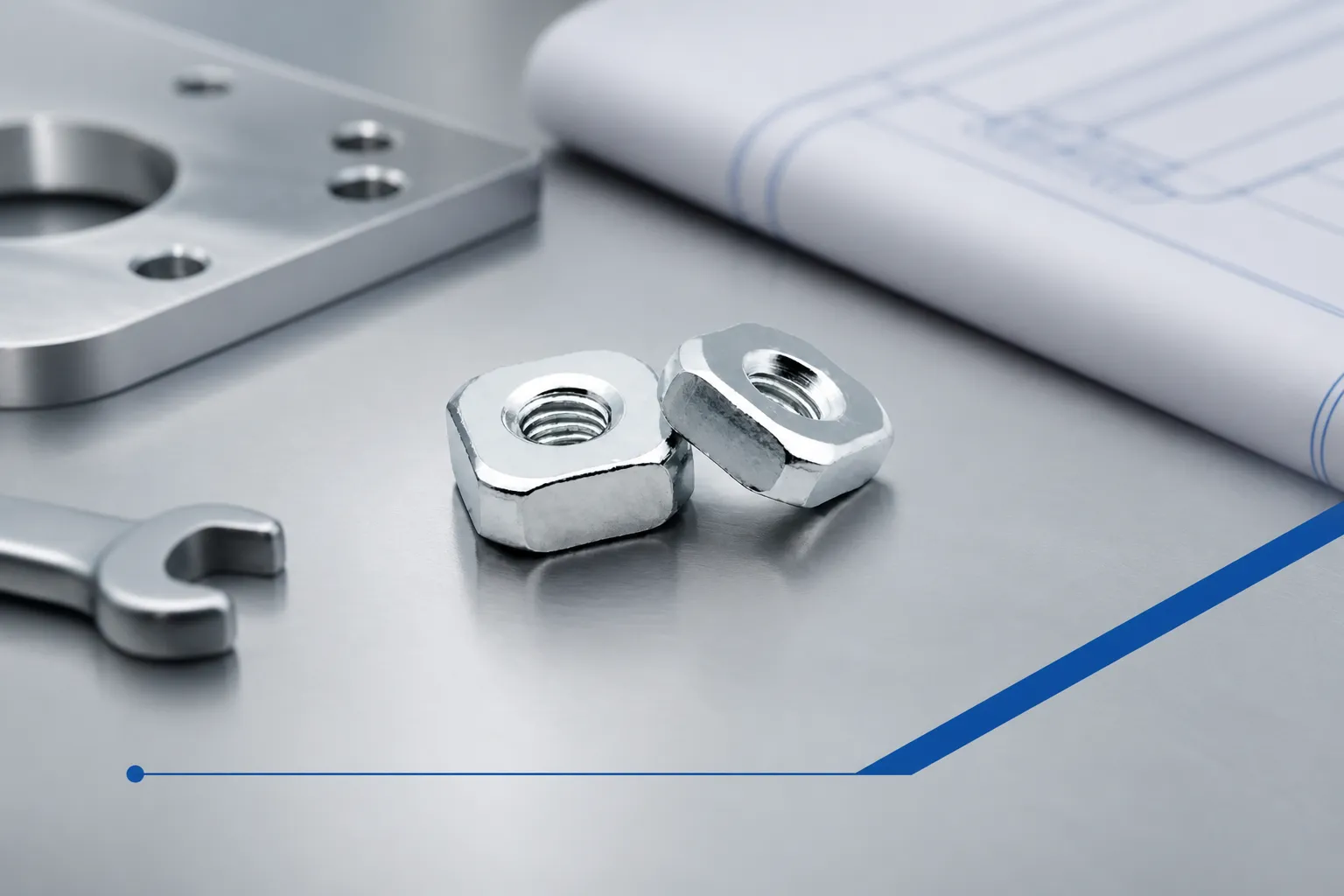
Nickel plated hammer nuts are often requested when a T-slot assembly needs a cleaner appearance or a finish that buyers associate with improved surface protection, but zinc plated hammer nuts remain a practical default for many indoor aluminum profile frames. The choice should follow the environment, specification, and maintenance plan—not a generic plating preference.

Part 1. Why does plating matter on a hammer nut?
Hammer nuts for aluminum profiles are often supplied in carbon steel with a surface treatment to reduce immediate corrosion and handling oxidation. Plating does not replace a full environmental review, but it does affect how buyers specify hardware for production fixtures, machine guards, and modular frames.
| Review item | Why it matters |
|---|---|
| Environment | Indoor, outdoor, washdown, or chemical exposure changes finish expectations |
| Specification | Customer BOMs may name zinc, nickel, or another approved treatment |
| Appearance | Visible frame hardware may need a brighter or more uniform look |
| Maintenance | Repeated assembly cycles can wear exposed surfaces over time |
The hammer nut product page lists zinc and nickel plated options for carbon steel parts. Use that as the catalogue boundary, then confirm the exact finish on the RFQ.
Part 2. When is zinc plating enough?
Zinc plating is commonly selected for dry indoor applications where cost control matters and the frame is not continuously exposed to moisture or aggressive cleaning agents.
| Application signal | Typical review outcome |
|---|---|
| Indoor workstation or enclosure | Zinc plating is often acceptable |
| Controlled factory environment | Zinc may remain the default finish |
| High-volume fixture program | Lower-cost plated carbon steel may fit the BOM |
Zinc plating is widely used on industrial fasteners because it offers a practical balance of protection and cost for many indoor assemblies. It is still not a substitute for stainless steel when the service environment or specification requires a different material path.
Part 3. When should nickel plating be reviewed?
Review nickel plating when the project mentions appearance, smoother surface finish, or a customer preference for nickel over zinc on carbon steel hammer nuts.
| Buyer signal | Why nickel may be reviewed |
|---|---|
| Visible customer-facing frame | Appearance and color consistency may matter |
| Mild corrosion concern indoors | Buyers may ask for nickel as a step up from zinc |
| Existing BOM calls for nickel | Finish must match the controlled specification |
Nickel plating does not automatically make the part suitable for harsh outdoor service. If the frame will see sustained moisture, chemical exposure, or long maintenance intervals, review the carbon steel vs stainless steel hammer nut comparison before finalizing the material and finish together.
Part 4. How do appearance and handling differ?
| Finish | What buyers usually notice | Review caution |
|---|---|---|
| Zinc plated | Functional industrial look, common on production hardware | Re-check if the frame is outdoors or exposed to abrasion |
| Nickel plated | Brighter, smoother appearance on many parts | Still confirm environment and specification requirements |

Finish selection should be recorded on the drawing or RFQ with the same discipline as thread size and slot compatibility. If slot width is still open, review the guide on matching hammer nuts to T-slot width and profile series before ordering.
Part 5. What belongs on the RFQ?
| RFQ field | Why it matters |
|---|---|
| Required finish | Zinc plated, nickel plated, or customer-specified treatment |
| Material | Carbon steel or stainless steel if the specification allows both paths |
| Thread and model | M3 to M8 range and model code if already selected |
| Environment | Indoor, outdoor, washdown, or chemical exposure |
| Quantity and inspection needs | Makes supplier quotes comparable |
Include the profile series or slot width when finish selection is tied to a complete frame BOM. That prevents a finish-only request from being released without the rest of the assembly context.
Part 6. Fit Boundary
This article does not prove salt-spray hours, corrosion life, torque capacity, or compliance with a project standard. Those values depend on the approved design, supplier documentation, and test plan.
Do not specify nickel plating simply because the frame is aluminum. Compatibility still depends on slot geometry, thread, and joint design. Likewise, do not assume zinc plating is acceptable outdoors without an environmental review.
Part 7. Product recommendation and next step
Review the hammer nut product page against the drawing, then send the finish, material, thread, and quantity requirements through the contact form for a quotation discussion.

FAQs
What is the difference between zinc and nickel plating?
Zinc plating is a common default for many indoor industrial fasteners, while nickel plating is often reviewed for appearance or when a specification calls for it.
Is nickel plating always better than zinc?
No. The better choice depends on environment, specification, cost, and whether stainless steel is required instead.
Can I specify plating without specifying material?
Material and finish should be confirmed together on the RFQ so the supplier can quote the correct hammer nut model.
Does plating replace stainless steel?
Not in aggressive environments. Plated carbon steel and stainless steel follow different selection paths.
Which finish is better for outdoor frames?
Outdoor applications usually need a formal material and environment review rather than a plating preference alone.
What should buyers send with a finish question?
Send the drawing, environment, required finish, thread, slot width, and quantity breaks.