T-bolt mating hardware stack-up is a procurement and assembly decision, not a product-name shortcut. Industrial buyers should keep the profile interface, mating hardware, access sequence, and approved drawing together when defining a fastener line item.
Direct answer
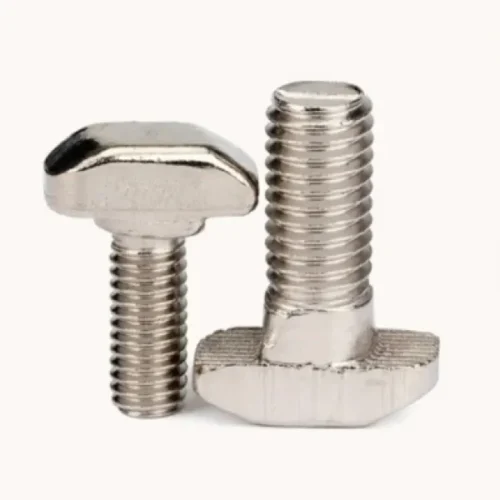
After the approved T-bolt family is selected, specify the complete mating stack-up: the bracket or component, any washer or spacer explicitly called out, the nut or threaded feature, and the installation access. Thread size is one field in that stack-up; it cannot define the joint without the other parts and the drawing.
Decision table
| Stack-up item | What to verify | Do not assume |
|---|---|---|
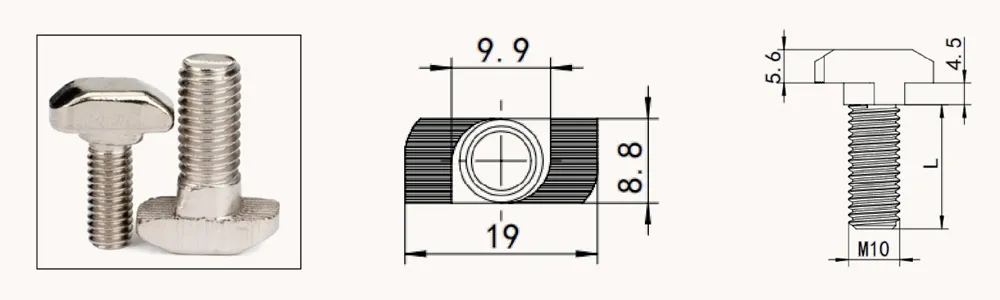
| T-bolt | Approved head style, thread callout, and profile interface | That any T-bolt head fits every slot |
| Bracket or component | Opening, thickness, orientation, and drawing position | That a nominal hole describes the installed arrangement |
| Washer or spacer | Whether it is specified and where it sits | That it is required or optional without a drawing callout |
| Nut or threaded feature | Thread match, seating position, and tool access | That a thread match alone establishes engagement |
| Assembly access | Insertion direction and tightening path | That the joint can be assembled after the frame is closed |
How to review the joint before ordering
- Read the joint as an ordered stack-up, from the profile interface to the accessible tightening side.
- Record the approved T-bolt thread together with the mating nut or threaded component.
- List the bracket, washer, and spacer only where the drawing or BOM calls them out.
- Check that the required tool path and assembly direction remain available in the installed frame.
- Send the marked joint drawing and line-item quantities with the RFQ.
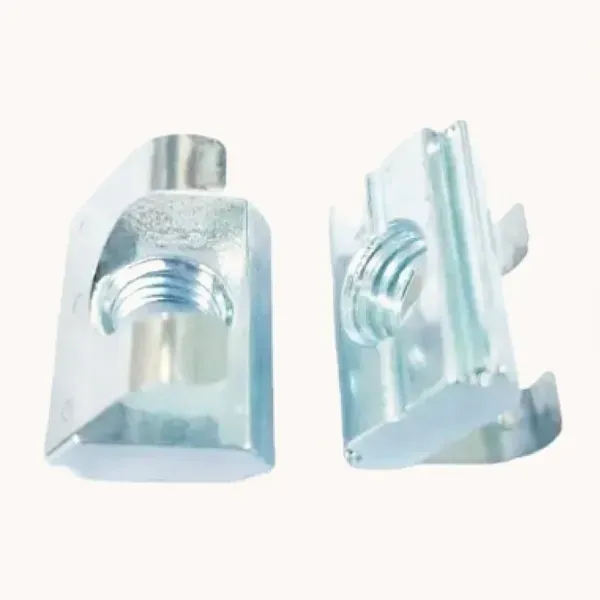
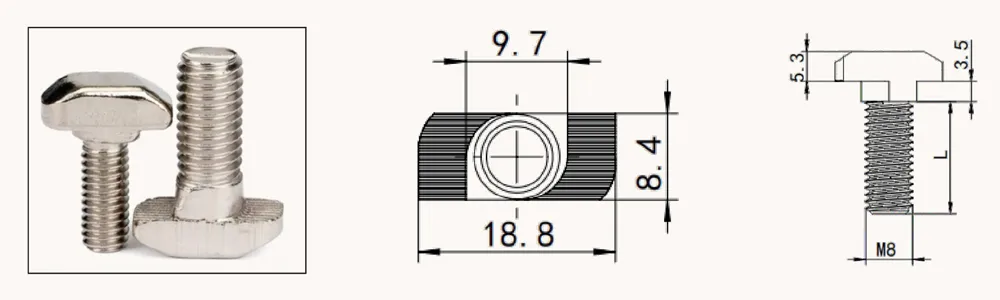
Use the QIYI T-bolt product page to identify the relevant product family and use the QIYI products overview when the assembly uses more than one fastening method. Product imagery and family names are useful starting points, but the approved drawing and BOM control the purchase definition.
RFQ checklist
| Include with the RFQ | Reason |
|---|---|
| Controlled frame or joint drawing | Shows the actual interface, location, and assembly orientation. |
| Product family and mating hardware | Connects the requested fastener to the complete joint. |
| Thread and interface details | Allows the requested configuration to be checked against the drawing. |
| Material or finish note, if specified | Keeps the quotation aligned with the current BOM. |
| Quantity, destination, and revision | Makes the commercial request traceable. |
Fit boundary
This guide is a selection and RFQ aid. It does not establish load capacity, torque, vibration behavior, corrosion life, certification, material grade, or cross-brand compatibility. Final design, component selection, and joint acceptance remain subject to the approved drawing, project requirements, and confirmation for the exact part.
FAQs
Is thread size enough to specify a T-bolt joint?
No. The bracket, any specified washer or spacer, mating thread, and installation access are all part of the joint definition.
Should every T-bolt use a washer?
Only where the approved drawing, BOM, or project requirement calls for one.
What is the best RFQ attachment?
Provide the controlled joint drawing or BOM line, including the complete stack-up and revision.
Request a QIYI review
For a quotation or product-family review, send QIYI the drawing, complete joint stack-up, quantities, and current revision. Clear RFQ inputs help prevent avoidable clarification before procurement.