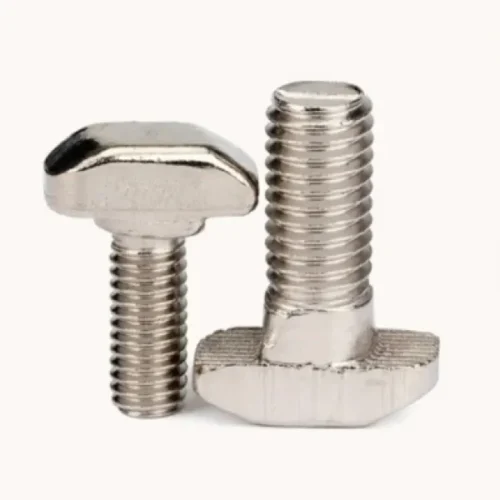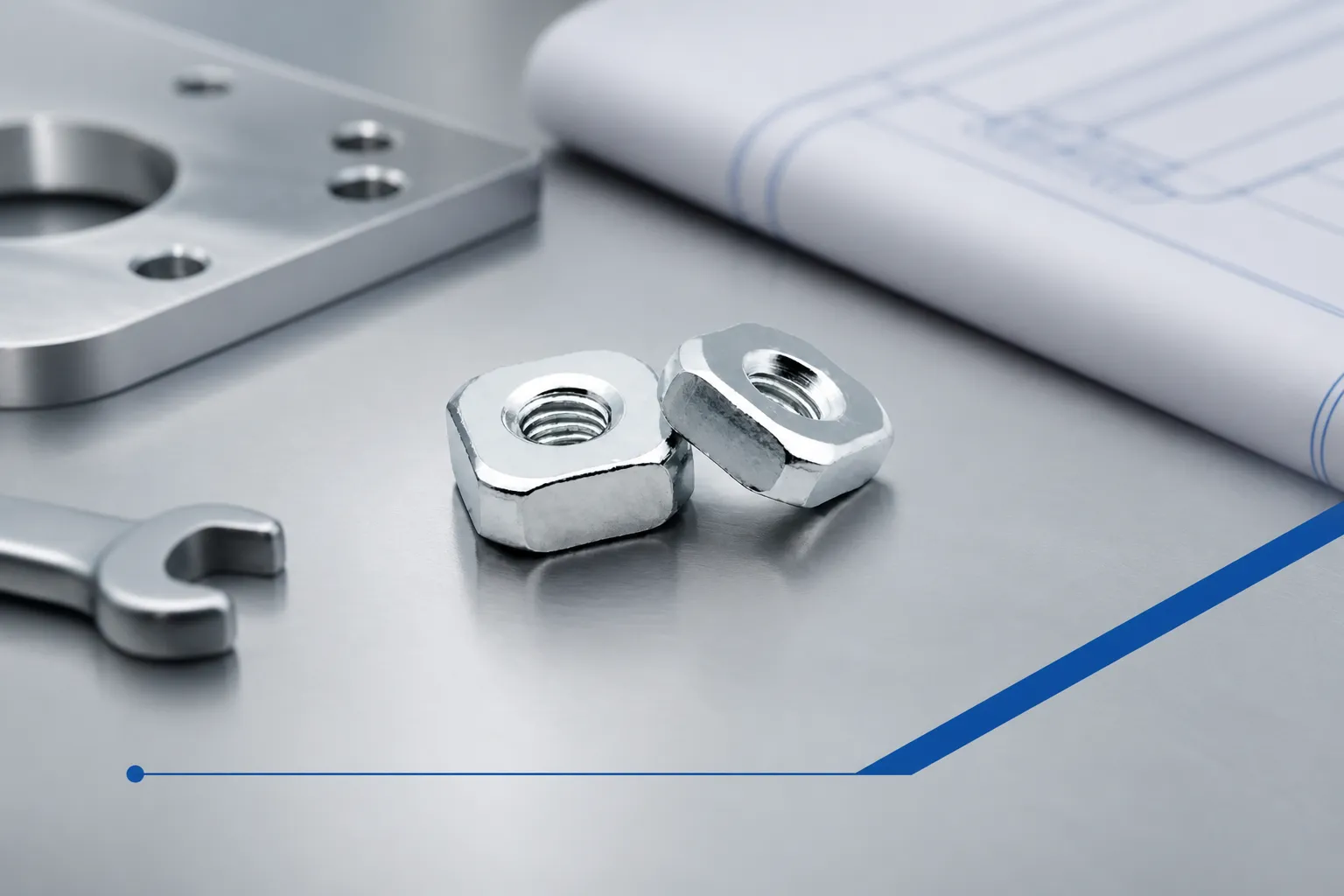
T nuts for machine frames should be selected from the approved frame drawing rather than from a product name alone. For an industrial B2B order, establish the profile geometry, mating hardware, assembly access, and exact joint location before requesting a quotation.
Direct selection answer
For guards, workstations, and enclosures, separate the locations that are closed at initial build from locations where panels, accessories, or service items may be added later. That access decision is as important as the thread callout.
Selection checklist
| Input to confirm | Why it matters |
|---|---|
| Profile drawing and slot or connection geometry | Confirms the component can be installed and seated as intended. |
| Mating thread and hardware stack-up | Links the selected part to the approved bolt, screw, bracket, or panel. |
| Assembly order and tool access | Identifies whether insertion, adjustment, or later service is possible. |
| Material and finish requirement | Keeps the request aligned with the project BOM and environment notes. |
| Quantity and drawing revision | Lets procurement obtain a quote for the current configuration. |
Compare the product page with the controlled drawing
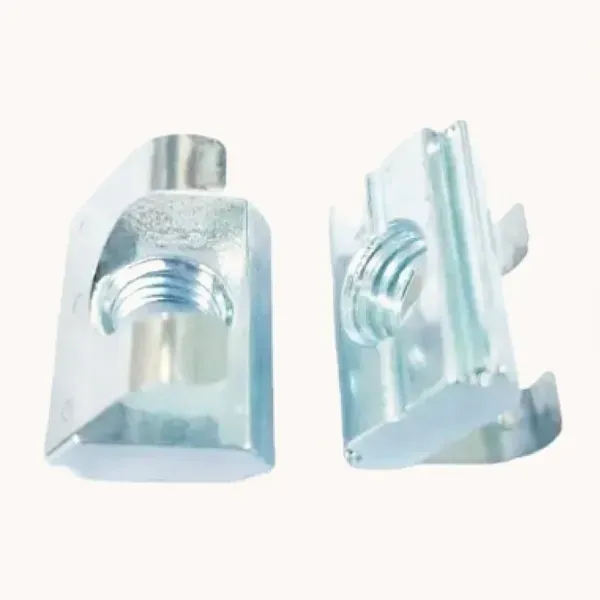
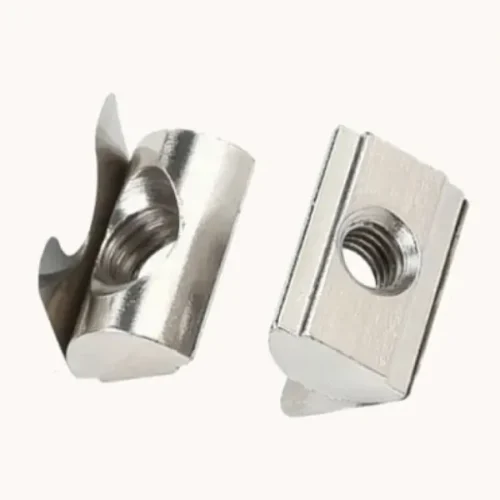
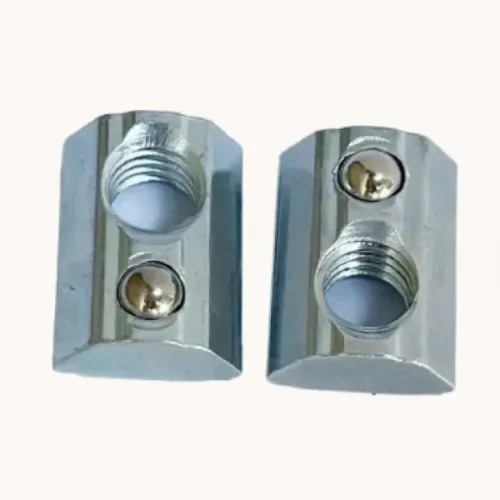
Use the T-nut product page to identify the relevant product family, then compare its visible geometry and ordering information with the joint drawing. The QIYI products overview can help when the frame uses more than one fastening method. Do not infer dimensions, grades, load ratings, or cross-brand interchangeability where the approved drawing or product documentation does not state them.
RFQ inputs that prevent avoidable clarification
Send the profile or joint drawing, required product family, thread callout, interface dimensions, material or finish requirement, quantity by line item, destination or project reference where relevant, and the drawing revision. Identify any access, visible-surface, or assembly-sequence constraint in words or marked-up drawings. This gives the supplier an auditable basis to review the requested configuration.
Fit boundary
This guide is a selection and RFQ aid. It does not establish load capacity, tightening torque, vibration performance, corrosion life, certification, material grade, or compatibility with every aluminum-profile system. Final joint design and acceptance remain subject to the approved drawing, applicable project requirements, and confirmation for the exact part.
FAQs
Can the product name alone define the correct part?
No. Confirm the joint geometry, mating hardware, installation method, and drawing revision.
What should be attached to the RFQ?
Provide the relevant frame or joint drawing, product requirement, dimensions, material or finish notes, quantities, and revision.
Where can I request a product review?
Review the T-nut page, then contact QIYI with the drawing and RFQ details.