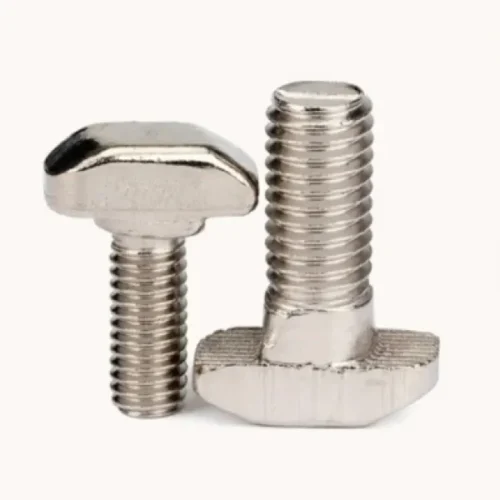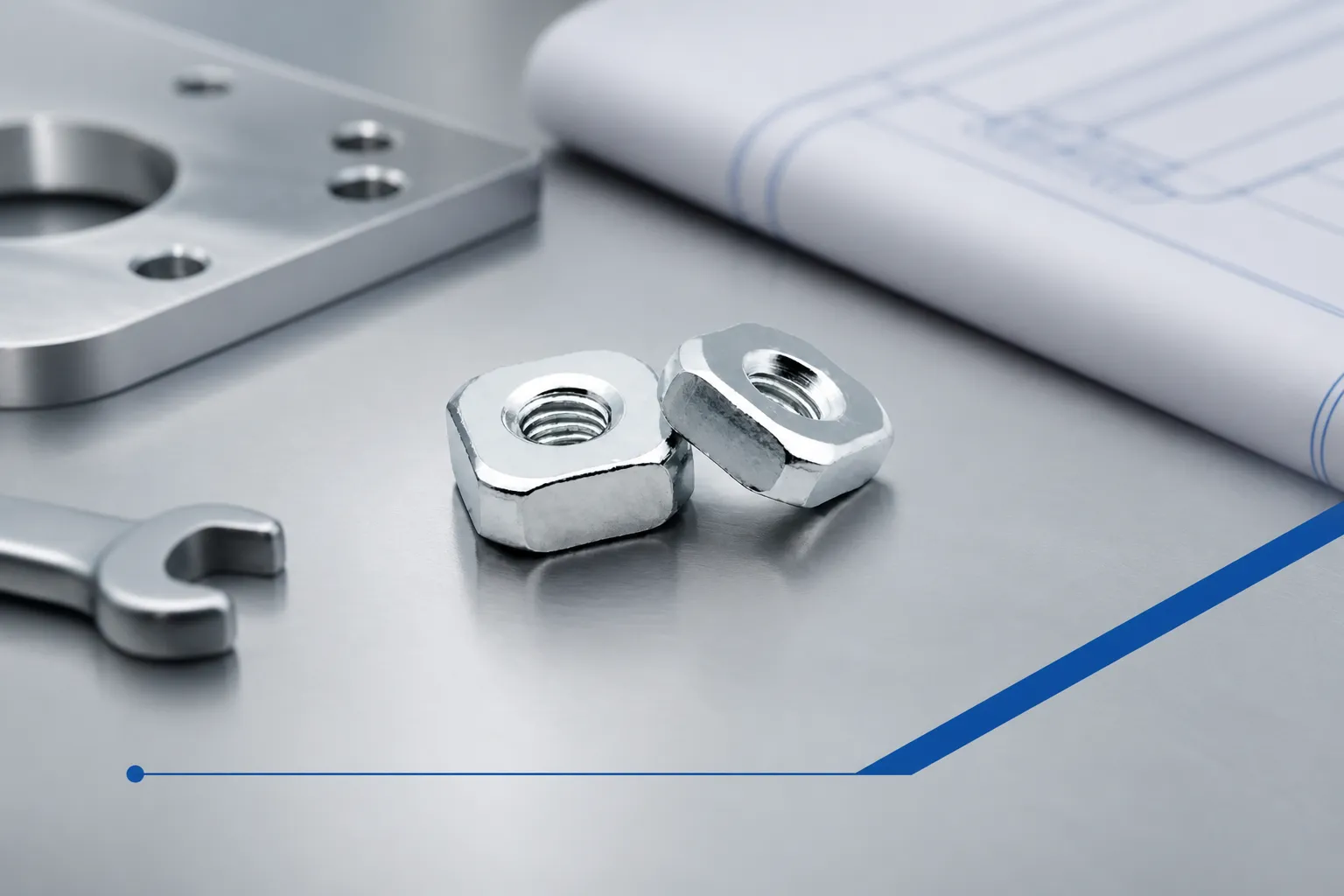
Stainless steel hammer nuts are often requested for aluminum extrusion frames exposed to moisture, cleaning, or outdoor service, but carbon steel hammer nuts with the right plating can still be the economical choice indoors. The decision should start with environment, maintenance access, and the approved drawing—not with a default material label.

Part 1. Why does material choice matter?
A hammer nut sits inside the aluminum profile slot and works with a mating bolt or screw to clamp brackets, panels, or connectors. Material selection affects:
| Factor | Why buyers care |
|---|---|
| Corrosion exposure | Outdoor, washdown, or humid environments increase rust risk on unprotected steel |
| Maintenance cycle | Frequent disassembly can wear plating over time |
| Project specification | Some BOMs require stainless hardware throughout |
| Total cost | Carbon steel with plating is often lower cost for indoor production fixtures |
The hammer nut product page lists carbon steel and stainless steel options with zinc or nickel plating. Treat that as the catalogue starting point, then confirm the exact material requirement on the drawing.
Part 2. When is carbon steel enough?
Carbon steel hammer nuts are commonly used in dry indoor applications such as machine guards, workstations, jigs, and production enclosures where:
- The frame is not exposed to continuous moisture.
- Maintenance can replace worn hardware on a planned schedule.
- The specification allows plated carbon steel T-slot hardware.
| Indoor application signal | Typical review outcome |
|---|---|
| Controlled factory environment | Plated carbon steel is often acceptable |
| No salt spray or chemical exposure | Zinc or nickel plating may be sufficient |
| High-volume fixture with cost target | Carbon steel may remain the default |
Plating improves surface protection compared with bare steel, but it is not a substitute for a full environmental review when the frame will live outdoors or near corrosive chemicals.
Part 3. When should stainless steel be reviewed?
Review stainless steel hammer nuts when the service environment, customer specification, or maintenance history suggests plated carbon steel may not remain acceptable through the product life.
| Environment signal | Why stainless may be reviewed |
|---|---|
| Outdoor installation | Rain, condensation, and temperature cycling increase corrosion risk |
| Food, chemical, or washdown areas | Cleaning agents and moisture exposure are harder on plated steel |
| Long-life public equipment | Replacement access may be limited |
| Customer material mandate | Some RFQs require stainless hardware by default |
Stainless steel is not automatically the strongest or lowest-cost option. It is a material path that may simplify corrosion review when the specification allows it and the supplier can provide the required thread, slot geometry, and finish.
Part 4. How do plating options change the review?
For carbon steel hammer nuts, the product page references zinc and nickel plating. Use plating as one line item in the material review, not as the only line item.
| Finish | Useful when | Review caution |
|---|---|---|
| Zinc plated | General indoor industrial use | Re-check if the frame is outdoors or exposed to abrasion |
| Nickel plated | Higher aesthetic or mild corrosion resistance needs | Still confirm against the actual service environment |
| Stainless steel base material | Moisture, specification, or maintenance concerns | Confirm availability for the exact model and thread |

Buyers should also note what else is in the joint. Mixed metal assemblies can create galvanic compatibility questions when steel hardware contacts aluminum profiles and different bracket materials in the same frame.
Part 5. What belongs on the RFQ?
| RFQ field | Why it matters |
|---|---|
| Environment | Indoor, outdoor, washdown, coastal, or chemical exposure |
| Required material | Carbon steel, stainless steel, or customer-specified grade |
| Finish | Zinc plated, nickel plated, or other approved treatment |
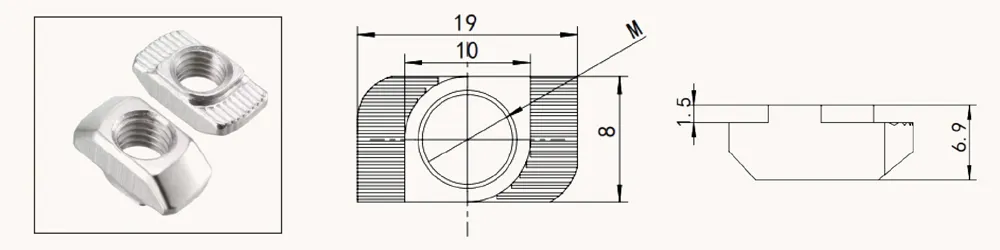
| Thread and model | M3 to M8 range and model code if already selected |
| Quantity and inspection needs | Makes supplier quotes comparable |
If the frame also requires slot-width confirmation, review the companion guide on matching hammer nuts to T-slot width and profile series.
Part 6. Fit Boundary
This comparison does not prove corrosion life, torque capacity, vibration resistance, or compliance with a project standard. Those values depend on the approved design, test plan, and supplier documentation.
Do not specify stainless steel simply because the frame is aluminum. Aluminum compatibility still requires the correct slot geometry, thread, and joint design. Likewise, do not assume plated carbon steel is always acceptable outdoors without an environmental review.
Part 7. Product recommendation and next step
Compare the drawing against the hammer nut product page, then send the material, finish, thread, and quantity requirements through the contact form for a quotation discussion.
FAQs
Are stainless steel hammer nuts always better outdoors?
Not automatically. They may be preferred when corrosion exposure or specifications point that way, but the full joint and environment still need review.
Can plated carbon steel replace stainless?
Sometimes indoors or in mild environments. Outdoor or washdown applications usually need a formal material review.
Does aluminum profile contact create galvanic concerns?
Mixed aluminum and steel assemblies can raise compatibility questions. State the full material stack on the RFQ.
Can I mix steel and stainless in one frame?
Only if the project specification allows it. Otherwise keep one material policy per assembly or document exceptions.
What finish should be on the RFQ?
List zinc plated, nickel plated, or stainless base material as required by the environment and customer standard.
What if the drawing only shows thread size?
Add environment, material, finish, slot width, and profile series before ordering so the supplier can confirm the correct hammer nut model.