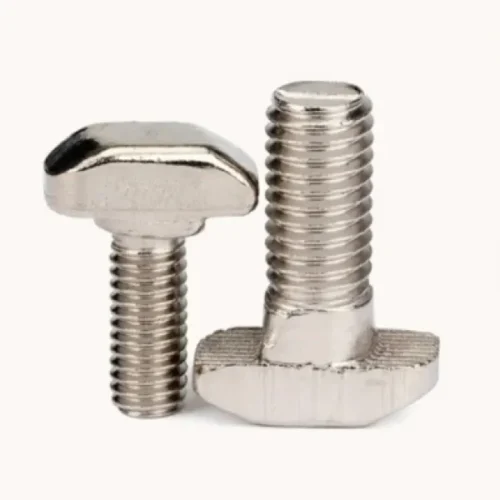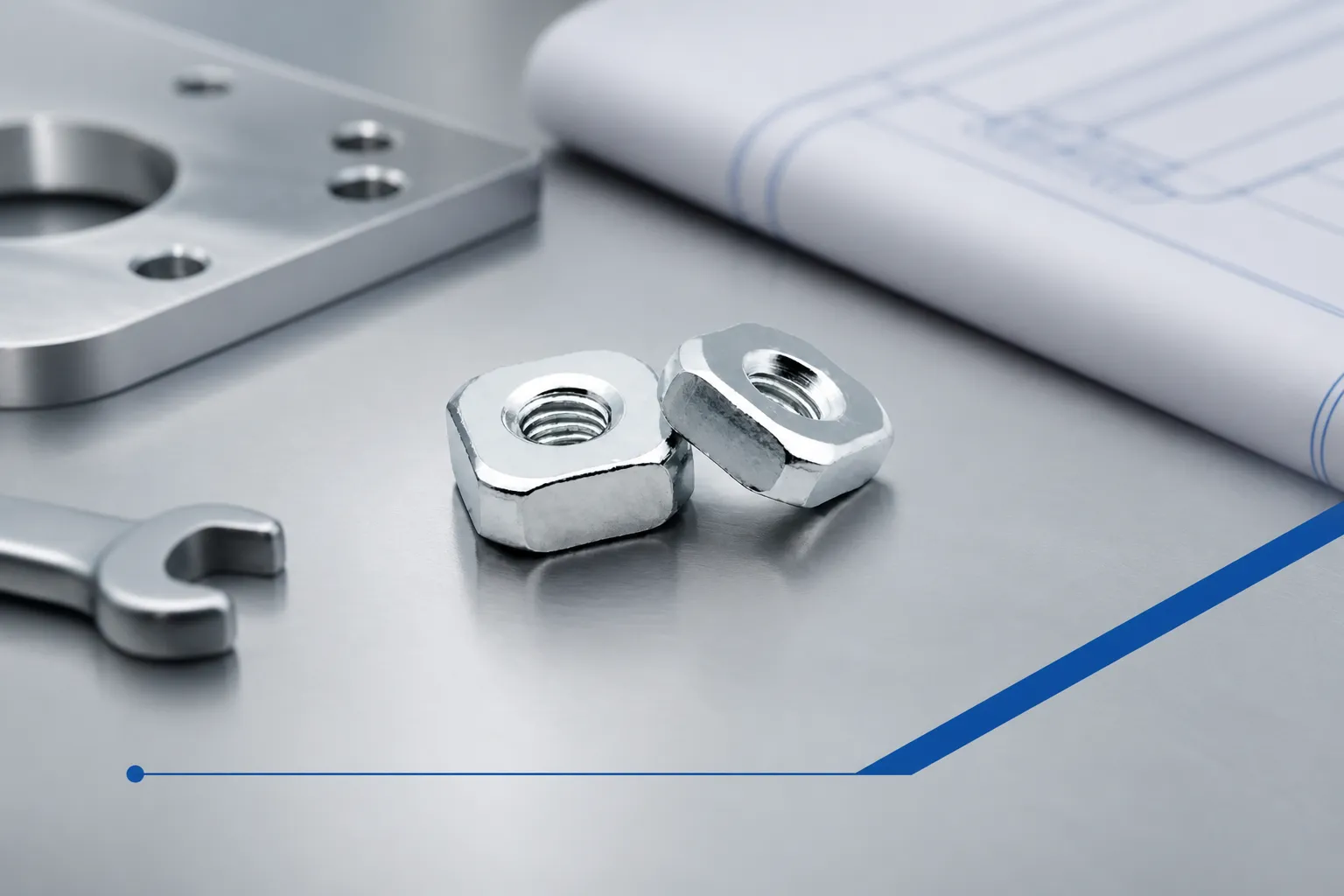
Mechanical fasteners are tools or devices used to create mechanical connections by joining together two or more materials, ensuring a stable and robust structure. Unlike adhesives or welding methods, fastening does not create permanent connections but allows for the removal or replacement of the joined materials without causing damage during the process. Fastening can be accomplished using various types of tools and materials based on the application. To put it bluntly, if you have ever used a screw, nut, bolt, nail, or rivet, you have used a mechanical fastener. Mechanical fasteners are made to hold things together but may allow for easy disassembly or adjustment if necessary.

Classifying Mechanical Fasteners
Wondering how many types of mechanical fasteners are there? Generally speaking, there are two different classifications:
1. Permanent Mechanical Fasteners: These create a lasting bond that cannot be removed without damaging the fastener or the materials joined. Examples include rivets and welding fasteners.
2. Non-Permanent Mechanical Fasteners: These are designed to allow disassembly and reusability without damage. Common examples include screws, bolts, washers, and nuts. Non-permanent fasteners are ideal for applications involving maintenance, repairs, or modular setups. Before you can begin selecting a mechanical fastening option, it is vital to understand what types of fastening methods exist.
Applications of Mechanical Fastening
Mechanical fastening is essential for almost every industry and has been employed in many application areas. Here are some examples:
1. Construction and Infrastructure: Fasteners hold structural elements such as steel beams, wooden frames, and concrete slabs together. Common fasteners used in this field include screws, bolts, and nails.
2. Automotive and Aerospace: Cars and airplanes rely heavily on mechanical fasteners like rivets, screws, and bolts to enhance durability, safety, and ease of repairs.
3. Consumer Electronics: When you disassemble any electronic device, you will find many small screws and fasteners holding components together, enabling eventual replacement or upgrades.
4. Furniture and Manufacturing: Most furniture and many consumer products are assembled using mechanical fasteners for cost efficiency and convenience.
5. Medical Devices: Fasteners play a critical role in the production of medical equipment, ensuring precision and durability for safe patient care.
Examples of Common Mechanical Fasteners
Various types of fasteners exist, each designed to meet specific application requirements. Here are some common examples:
– Bolts and Screws: Widely used for joining components in mechanical assemblies. Bolts have a smooth shank with a head at one end, while screws often feature pointed tips for driving directly into materials. Both can be removed and replaced as needed.
– Nails: Used to provide robust mechanical connections, primarily for woodworking.
– Rivets: Commonly used in structural supports where a permanent connection is desired, such as in bridges and airplane components.
– Clips and Clamps: Essential for securing items like cables and wires, frequently used in automotive and electrical applications.
– Anchors: Widely used in construction for attaching items to concrete, brick, or stone. Mechanical fasteners are available in numerous sizes, shapes, and styles, providing diverse solutions for different force loads, material types, and conditions.
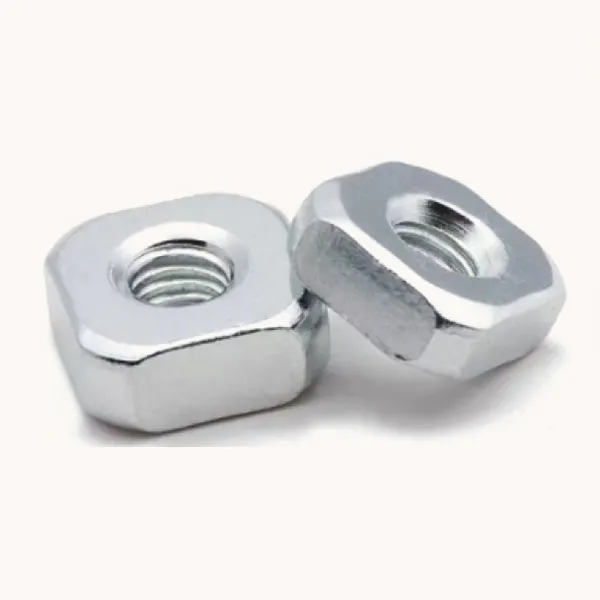
What Are the Benefits of Mechanical Fasteners?
Mechanical fasteners offer a variety of advantages that make them indispensable in many industries. Here’s why they are crucial:
1. Ease of Installation: Mechanical fasteners are simple to install and require minimal specialized tools.
2. Flexibility: They can generally be removed and reused, making them ideal for modular systems or setups requiring maintenance.
3. Reliable Performance: Designed to withstand stress and environmental challenges, mechanical fasteners ensure durable and robust connections. 4. Cost-Effectiveness: Mechanical fastening is often more affordable compared to welding or adhesive bonding, making it a cost-efficient solution. Understanding these benefits is essential to optimizing the use of mechanical fasteners in any given application.
FAQs About Mechanical Fasteners
What are the two types of mechanical fasteners?
The two types are permanent fasteners (e.g., rivets and welding fasteners) and non-permanent fasteners (e.g., screws, bolts, and nuts).
What are the benefits of mechanical fastening versus adhesives or welding?
Mechanical fasteners are versatile, reusable, easy to install, and allow for disassembly or modifications, unlike adhesives or welding, which are generally permanent and require specialized tools for removal.
What are some examples of mechanical fasteners?
Examples include bolts, screws, nails, rivets, clips, clamps, and anchors.
Which industries utilize mechanical fasteners?
Industries such as construction, automotive, aerospace, consumer electronics, furniture manufacturing, and healthcare rely heavily on mechanical fasteners.
Mechanical fasteners may be small, but they are critical components in numerous industrial and everyday applications. Understanding their classifications, uses, and examples is key to making the right choice for your specific needs. Whether working on a large-scale construction project, repairing a vehicle, or assembling furniture, mechanical fasteners provide safe, efficient, and cost-effective solutions.