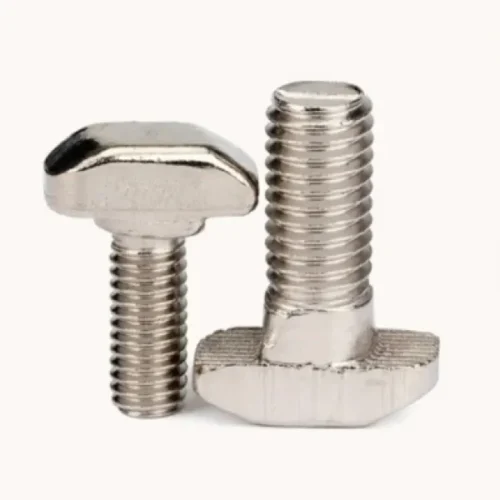
Pin fasteners, also referred to as fastening pins or fastening pins made from steel, are important tools that are used in various industries including mechanical, construction, and manufacturing. These small fasteners are the most effective and efficient way to connect, support, and align components together. Whether you are working on an easy DIY project, joining together multiple parts for a machine, or completing a massive industrial construction project, pin fasteners will ensure that everything is stabilized, aligned, and structurally sound. This article will give an overview of pin fasteners, their various types, the benefits of pin fasteners, tools needed to use pin fasteners, and others.

What Are Pin Fasteners?
Pin fasteners, also known as mechanical connectors, are devices that fasten either two components together or allow them to be positioned relative to each other. They can typically be found as cylindrical or tapered in shape and are manufactured from many different types of materials such as steel, stainless steel, brass, high-strength plastics, or even wood. When a pin is inserted through a matching hole(s) made within materials being connected, a pin fastener creates a permanent mechanical connection that can easily be used to reestablish the same connection each time it is disconnected from the other material(s). Because of their very nature, pin fasteners come in many different sizes and designs to accommodate different applications; therefore, their versatility makes them essential pieces of equipment in engineering, carpentry, and dozens of other industries.
Common Types of Pin Fasteners
There are multiple types of pin fasteners that go beyond basic design concepts and are specifically designed for use in various applications:
1. Dowel Pins: Dowel pins are made with a cylindrical shape and contain ground surfaces accurate to within 0.001 inches, making them ideal for mechanically aligned/joined components. These dowels provide fixed (rigid) connections that are capable of maintaining the structural integrity of the overall system.
2. Cotter Pins: A cotter pin (or split pin) is used to secure bolts, nuts, or clevis pins. They are created to hold a component in place by simply bending the ends of the fasteners.
3. Clevis Pins: A clevis pin is a headed pin with a hole drilled through its diameter for a cotter pin to be inserted into it. Clevis pins are used as fasteners in various applications including hinges, turnbuckles, and joints that allow rotational movement.
4. Spring Pins (Roll Pins): Spring pins are hollow, cylindrical, and highly elastic. They compress upon installation in a hole and provide a high level of resistance to removal. Spring pins are predominantly used in machines and are great for withstanding dynamic loads and vibration.
5. Taper Pins: Taper pins are cone-shaped and designed for precision fitment. They are primarily used to position components that need to be precisely aligned.
Key Benefits of Using Pin Fasteners
So, why are pin fasteners so popular? Here are some of the major benefits:
– Durability and Strength: Pin fasteners are made from durable materials (usually steel or stainless steel) and provide a substantial amount of mechanical strength. They are a very reliable means of fastening components.
– Versatility: Pin fasteners can be found in a number of shapes and sizes so that they can support many different applications, from fastening wood to fastening machinery.
– Reusability: Many pin fasteners—like dowel and clevis pins—are designed for repeated use, thus reducing waste and saving costs.
– Cost-Effectiveness: Compared to screws or adhesives, pin fasteners are often more affordable while still ensuring effective connections.
– Ease of Use: Pin fasteners are typically easy to install or remove with basic tools, making them accessible to professionals and DIY enthusiasts.
What Tools Are Needed for Pin Fasteners?
Pin fastener tools are essential for easy and efficient installation and removal of pin fasteners. Commonly used tools include:
– Hammer or Mallet: For inserting the required pin into a snug hole or press-fit hole.
– Pliers or Pin Punches: For removing the required pin (e.g., cotter or spring pins) without damaging the parts it was installed onto.
– Drill or Reamer: For accurate hole-making to obtain the proper fit for the specific pin fastener being used (e.g., dowel or taper pins).
– Lubricants: In some instances, utilizing an appropriate lubricant will make inserting or removing the pin fastener much easier. To ensure successful installation and removal of pin fasteners, it is imperative that you use the proper tool for the type of pin fastener you are utilizing.
Applications of Pin Fasteners
Pin fasteners have many diverse applications, such as:
– Mechanical Assemblies: Aligning and securing parts in automotive and industrial machinery.
– Construction Projects: Structural frameworks, scaffolding, and temporary fittings.
– Woodworking: Dowel-type pins used to assemble furniture and wooden structures.
– Aerospace and Aviation: Aerospace-grade pins used to align and secure components in planes.
– Agricultural and Heavy Equipment Applications: Clevis and cotter pins are commonly used to secure moving components that are subjected to high loads.
Choosing the Right Pin Fastener
When selecting a pin fastener for your project, consider the following factors:
– The material of the pin and its compatibility with other items.
– Load requirements; ensure that the pin will hold under stress.
– The size and fit, ensuring that it matches precisely to prevent loosening or slipping.
– Environmental conditions, such as exposure to high heat or corrosion. By taking these characteristics into consideration, you can determine the best pin fastener for your specific application needs.
In conclusion, pin fasteners supply reliability, versatility, cost-effectiveness, and long-term strength in many industries. From dowel pins in furniture to spring pins in machinery, all provide a very strong and secure connection. Whether you are an expert engineer or a DIY enthusiast, knowing the types of pin fasteners available, their characteristics, and the tools required to use them will assist you in selecting the most appropriate pin fastener for your project. By knowing how to use pin fasteners correctly and where they should be used, you can ensure your complete satisfaction in any fastening project.