Fiberglass duct boards are a favorite in HVAC systems because they are energy efficient, help to mitigate sound, and are lightweight. It is very important to install fiberglass duct boards properly in order to ensure that they provide reliable performance and a long life. Two types of fasteners are commonly used to hold fiberglass duct board in place: duct board cleats and staples. In this article, we will explore both types of fasteners and how they can support ongoing functionality of your duct installation.

Cleats: The Mechanical Fastener of Choice
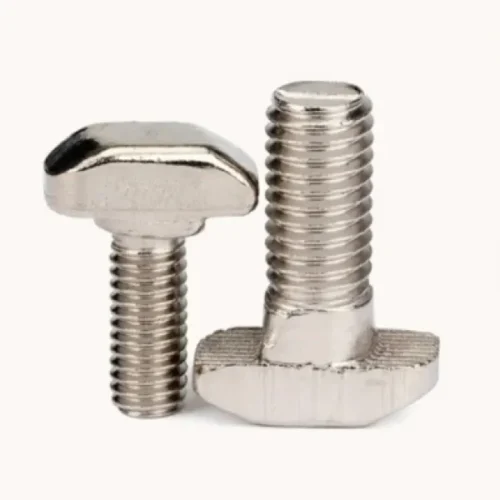
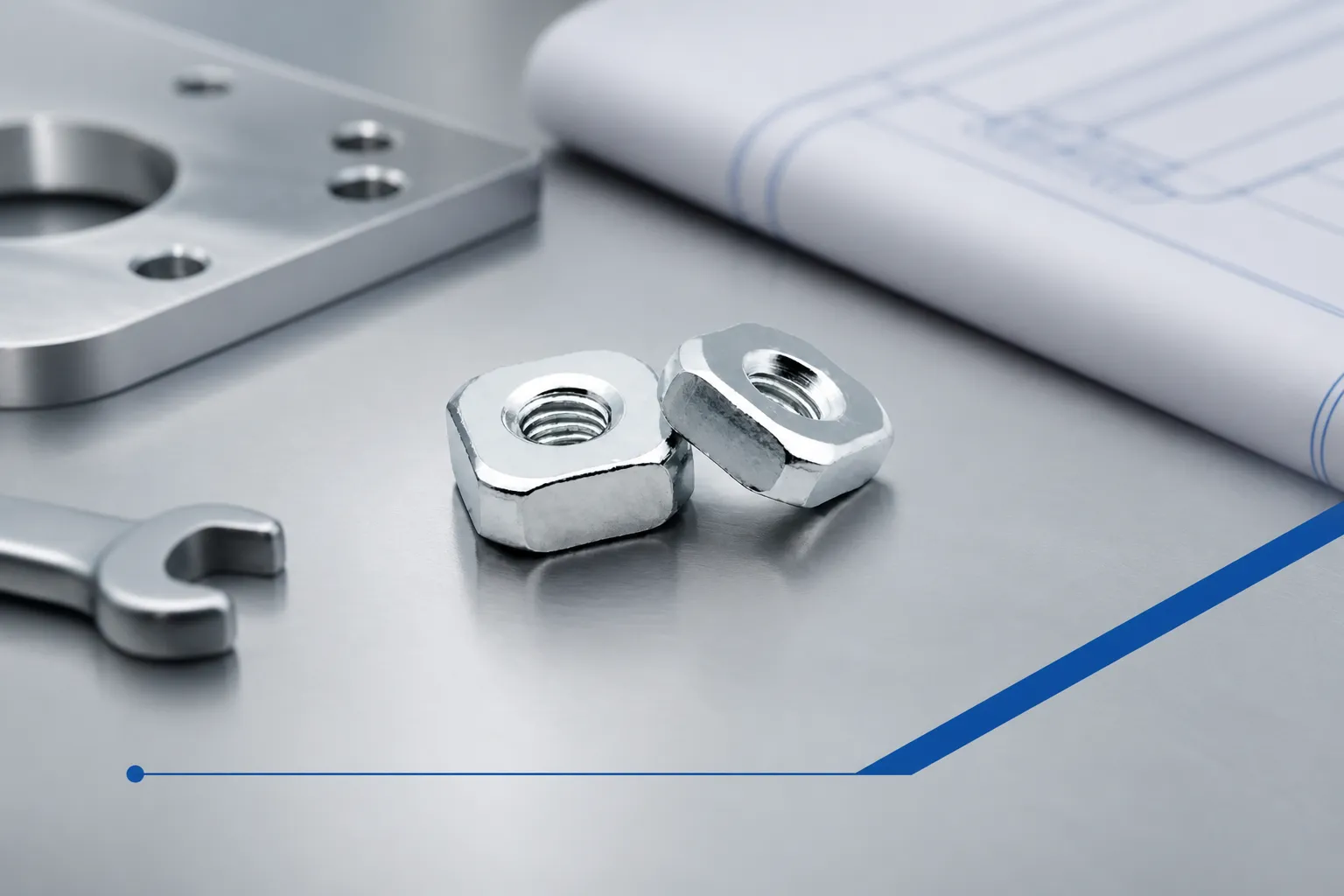
Cleats, which are used with HVAC duct boards, are specifically designed to form secure connections between panels. Cleats are generally made of galvanized steel so that they won’t rust or corrode and provide durability in tough environments. The cleat is installed in the seams of the fiberglass duct board and helps to form an air-tight and secure connection between the panels.
The main reason why metal cleats work so well is because they can hold their own against the high pressures and vibrations present in an HVAC system. If no cleats were used, it is likely that you would experience leaks in your duct system and seams separating, resulting in a loss of energy and less effective equipment performance.
When installing cleats, take note of the uniform spacing between cleats along the entire seam. Consistent spacing will provide reinforcement to the structure and will ensure that air pressure is consistent enough to move throughout the apparatus.
Staples: Fasteners that Work
Staples, which are another essential type of fastener used with fiberglass duct boards, are viewed as a simple yet effective solution to fastening. In the context of securing edge or flange joints on duct liner with staple-type products, staples can be used as supplemental fasteners to help support and stabilize cleats and/or sealants within a fully integrated system. Staples hold the duct liner, providing a means of reinforcing and supporting the lined duct against being displaced from its installed position when attempting to dislodge staples after a period of time.
Staples used for this purpose will typically be (hence the term “heavy duty”) made from either stainless steel or a substantially durable material (e.g., galvanized or coated steel) to enhance their durability. To provide an adequate means of sealing potential air leaks at the edges of the installed fiberglass board, fasteners are typically placed on the ends of the installed duct board, and then sealed using mastic or foil tape.
Although staples alone will not typically provide an adequate air-tight seal for a number of different HVAC applications, they do play a key role in the overall fastening process to ensure that the duct board remains secured in position on the duct board’s surface.
Why Proper Fastener Installation Matters
The use of appropriate fasteners for the installation of duct boards is critical. The improper use or inadequate use of fasteners for the installation of duct boards can lead to many issues including air leakage, wasted energy, and a loss of durability in the overall ductwork system. An improperly installed duct system may also be in violation of building codes and as a result, fail to pass inspection, or result in significant repair costs.
The use of cleats and staples, as well as high-strength sealants and tape ensures that the duct board functions as intended and preserves its thermal insulating and sound-deadening capabilities. By following the above steps, you can significantly reduce your energy costs, increase the lifespan of your HVAC system, and limit the frequency of repairs.
Frequently Asked Questions (FAQ)
How long will fiberglass duct board last?
Fiberglass duct boards are known for being long-lasting and durable products. With proper installation and routine maintenance, they can last anywhere between 20-30 years. Several factors such as moisture, dust, and the load of the HVAC system can affect their longevity. Regular inspections (specifically of the seams and fasteners) will help you to extend the service life of your fiberglass duct boards.
What happens if I use the wrong fasteners with fiberglass duct board?
If you use the wrong fasteners or do not use enough fasteners, the seams of your duct board will be loose, causing air leaks and poor thermal performance, resulting in increased energy costs and possible repair costs. Also, improper fastener usage could cause you to fail to meet safety or performance criteria for HVAC systems. To avoid these issues, you must install your duct boards properly using both cleats and staples as fasteners.
Can I replace damaged fasteners in my duct board system?
Yes, you can replace damaged fasteners in your duct board system to maintain the integrity of the ductwork. If cleats have become loose, or if staples have become dislodged, you will need to replace and/or reinforce them in order to avoid air leaks and keep the HVAC system running efficiently. If you are not sure how to do this, you should consult a qualified HVAC professional.
What are some examples of common mechanical fastener problems that occur in duct systems?
There are a number of mechanical fastener problems that occur in fiberglass duct board systems, including:
- Cleat Looseness: As a result of vibrations that develop over time, cleats will become loose; this will allow air to leak from the duct system. Therefore, you should tighten or replace damaged cleats immediately.
- Corrosion: Exposure to moisture can cause metal fasteners to corrode and rust. Use galvanized steel (or stainless steel) everywhere you can, and inspect metal fasteners regularly for signs of corrosion.
- Improper Stapling: Stapling when the staple placement is uneven causes gaps in the duct board. Always ensure staples are evenly spaced, and seal the ends with tape or mastic to keep the fibers from fraying.
Are there any alternative fastening methods to cleats or staples?
Although cleats and staples are by far the most common types of fasteners used to fasten fiberglass duct boards, depending on the project requirements, other types of fasteners can be used as alternatives to cleats and staples. Some contractors may choose to use adhesive tape, mastic, clamps, or a combination of mechanical fasteners and adhesive materials to achieve an enhanced seal. Make sure you are adhering to local building codes and the manufacturer’s recommendations for the type of fastener you choose.
Choosing the correct fastener for fiberglass duct boards (instead of cleats and staples), is critical to providing durable, energy efficient, and leak-proof HVAC systems. Each type of fastener has its own intended use, and when combined with proper sealing techniques, they will provide optimal performance and lifespan to ductwork. By maintaining diligence with your installation and continuing proper maintenance, you will create the maximum durability and usability of fiberglass duct boards while minimizing operating expenses. If you have any concerns about your installation or need help, be sure to contact a qualified HVAC contractor.