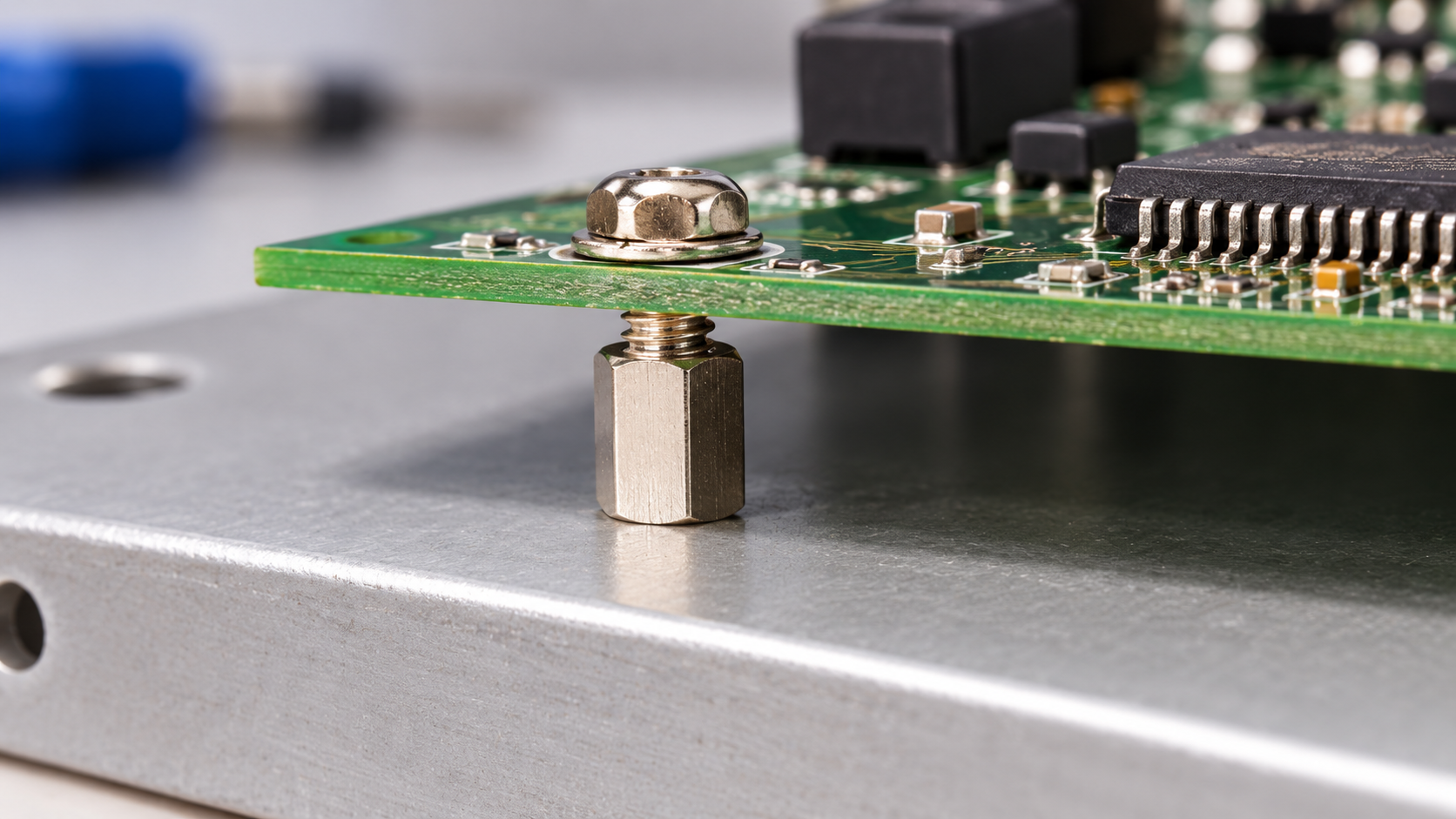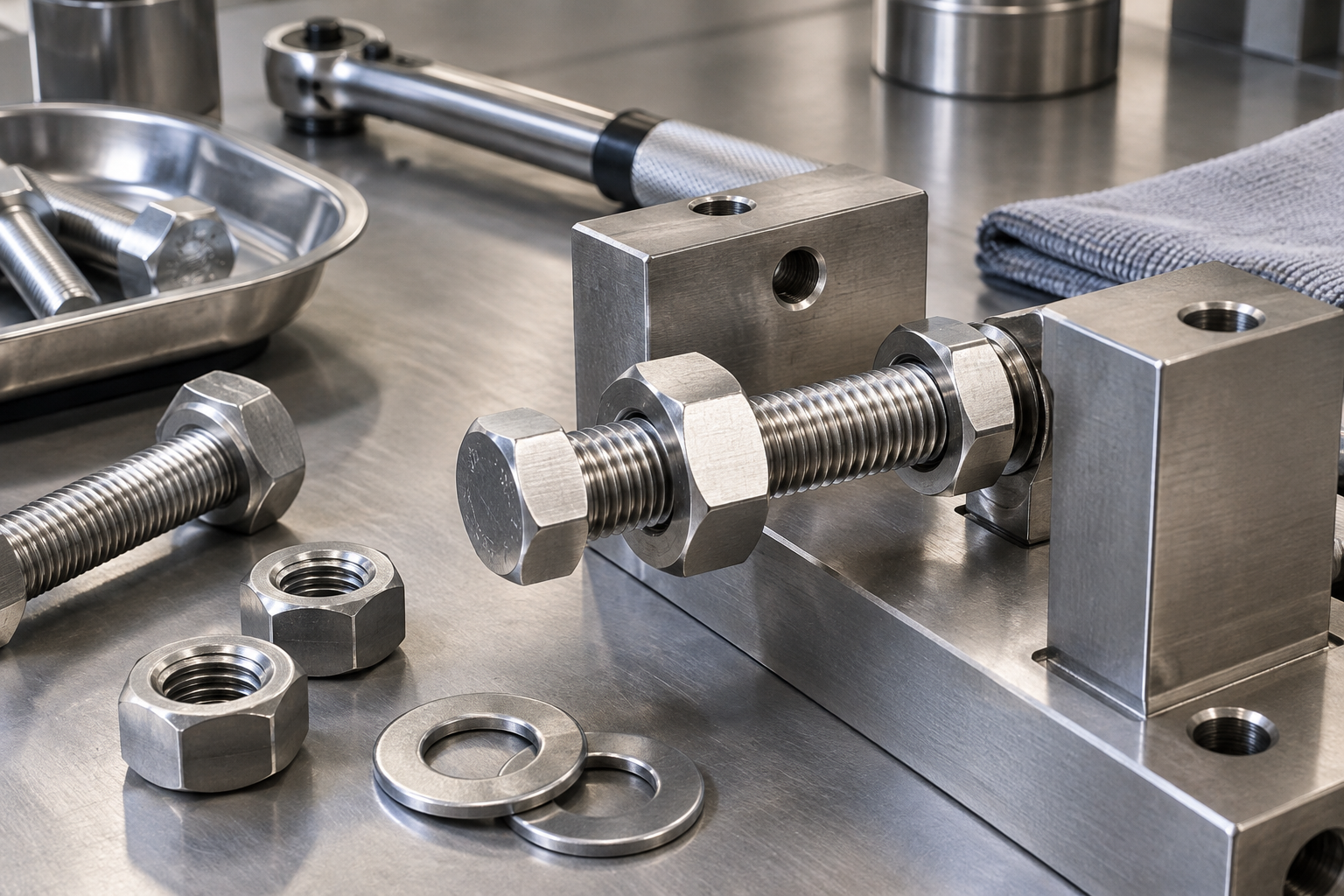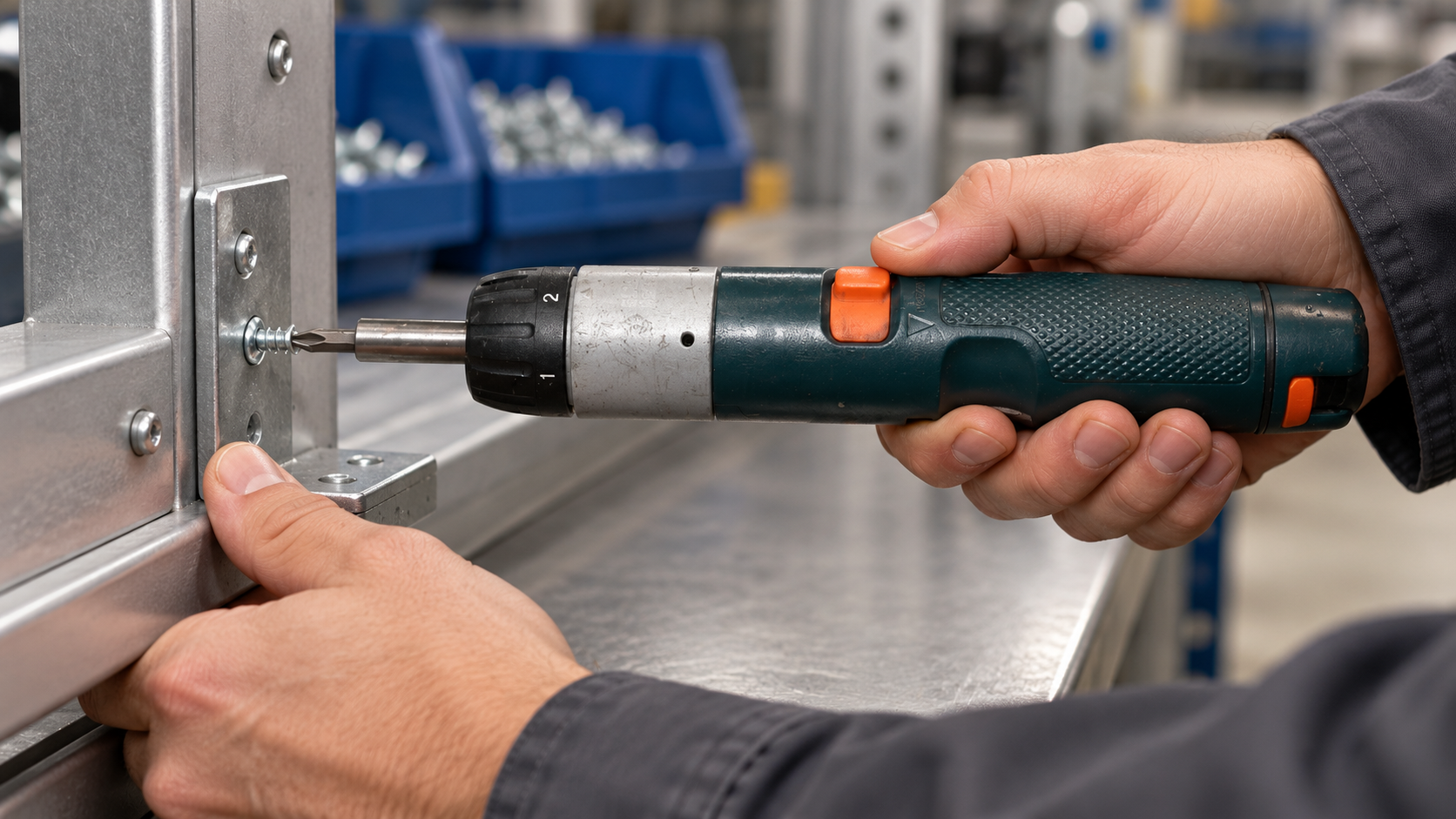
Summary: A machine screw is a fully threaded fastener intended to mate with a tapped hole or nut, usually in a controlled assembly. Start with the joint load, material pair, and available clearance, then specify diameter, pitch, length, head, drive, material, coating, and installation torque. As a practical starting point, aim for about 1 to 1.5 nominal diameters of thread engagement in steel, adjusting for softer metals and manufacturer guidance. The difference between ordinary machine screws, hex machine screws, and socket head cap screws is primarily geometry, drive access, and the performance standard that applies, not a simple “strong versus weak” label.
What are machine screws designed to do in a joint?
Unlike a wood screw or a self-tapping screw, machine screws normally have a uniform thread along the shank and rely on a preformed internal thread. The joint may use a tapped hole, a threaded insert, or a nut. That predictable thread form makes the fastener useful for enclosures, brackets, instruments, machinery guards, and serviceable equipment that must be opened and reassembled.
Designers should separate clamp load from tensile strength. A screw can have a high nominal strength yet produce a poor joint if the hole strips, the bearing surface collapses, or the clamp load is inconsistent. NASA fastener guidance emphasizes preload, friction, and torque scatter; a torque value is therefore a process control, not a universal property of the screw.
For a first-pass calculation, compare the applied separating force with the intended preload and check thread shear in the weaker material. The effective thread length, pitch diameter, and engagement quality matter as much as the screw grade. In production, a torque audit or torque-tension test can expose friction changes caused by plating, lubrication, or a new washer.
How do hex machine screws fit access and load requirements?
Hex machine screws use an external six-sided head, so a spanner or socket can apply torque where a screwdriver cannot. The broad head can provide useful bearing area, while a flange or washer can spread load over a thin panel. Confirm the wrench clearance around the head and the head height under adjacent covers before releasing a drawing.
A hex head is not automatically a structural bolt. Product designation, diameter, length, material, and applicable standard determine whether the fastener is suitable for a given load. For light equipment, zinc-plated carbon steel may be adequate; for corrosive washdown areas, stainless steel or a qualified coating may be more appropriate, with galvanic compatibility checked against the mating material.
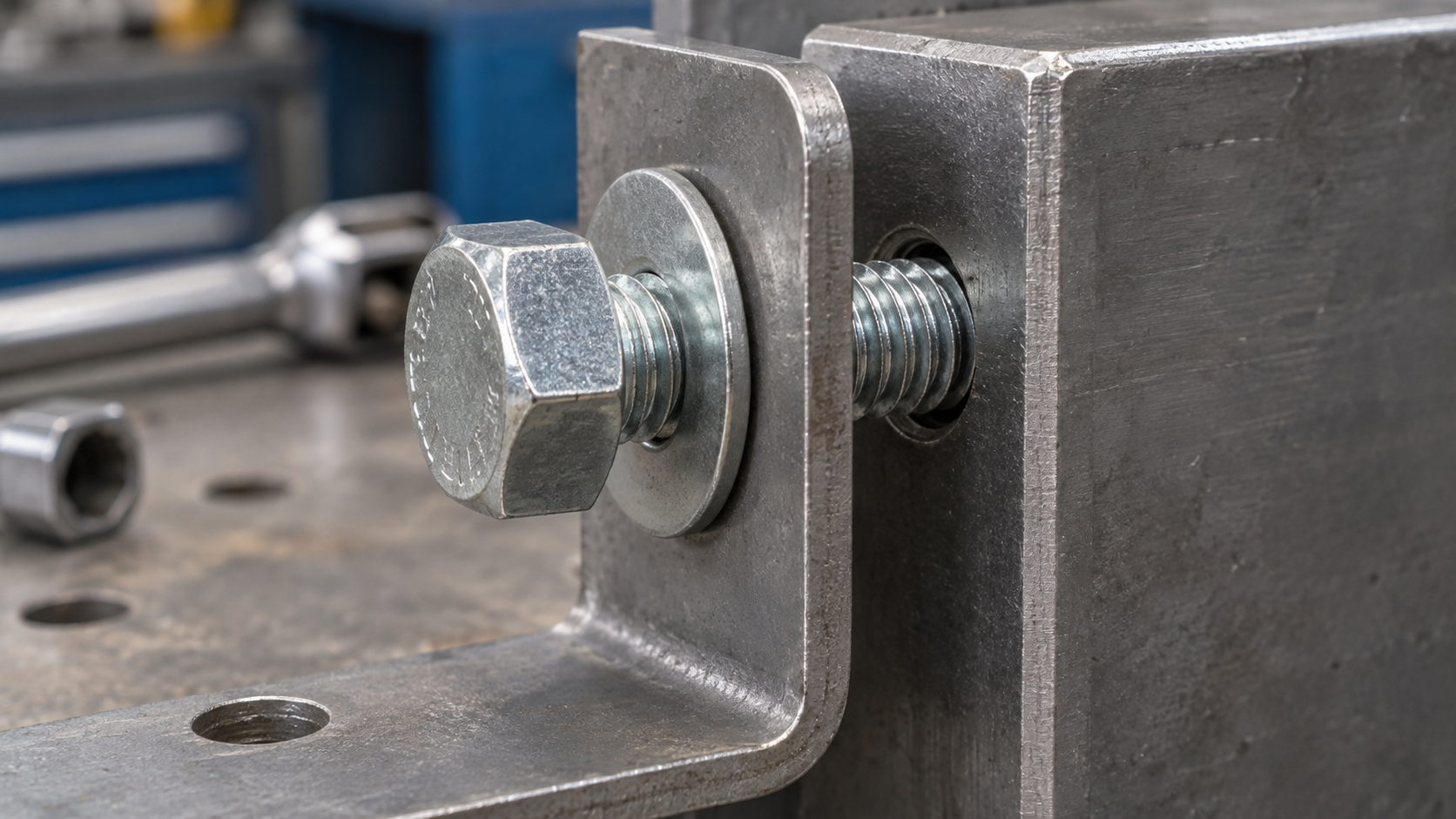
When a panel hole is slotted or oversized, a washer can reduce local bearing stress, but it cannot compensate for inadequate thread engagement. Pair the washer specification with the screw head diameter and the panel material; record the stack-up so replacement parts retain the same clamp path.
When are socket head cap screws the better machine screw choice?
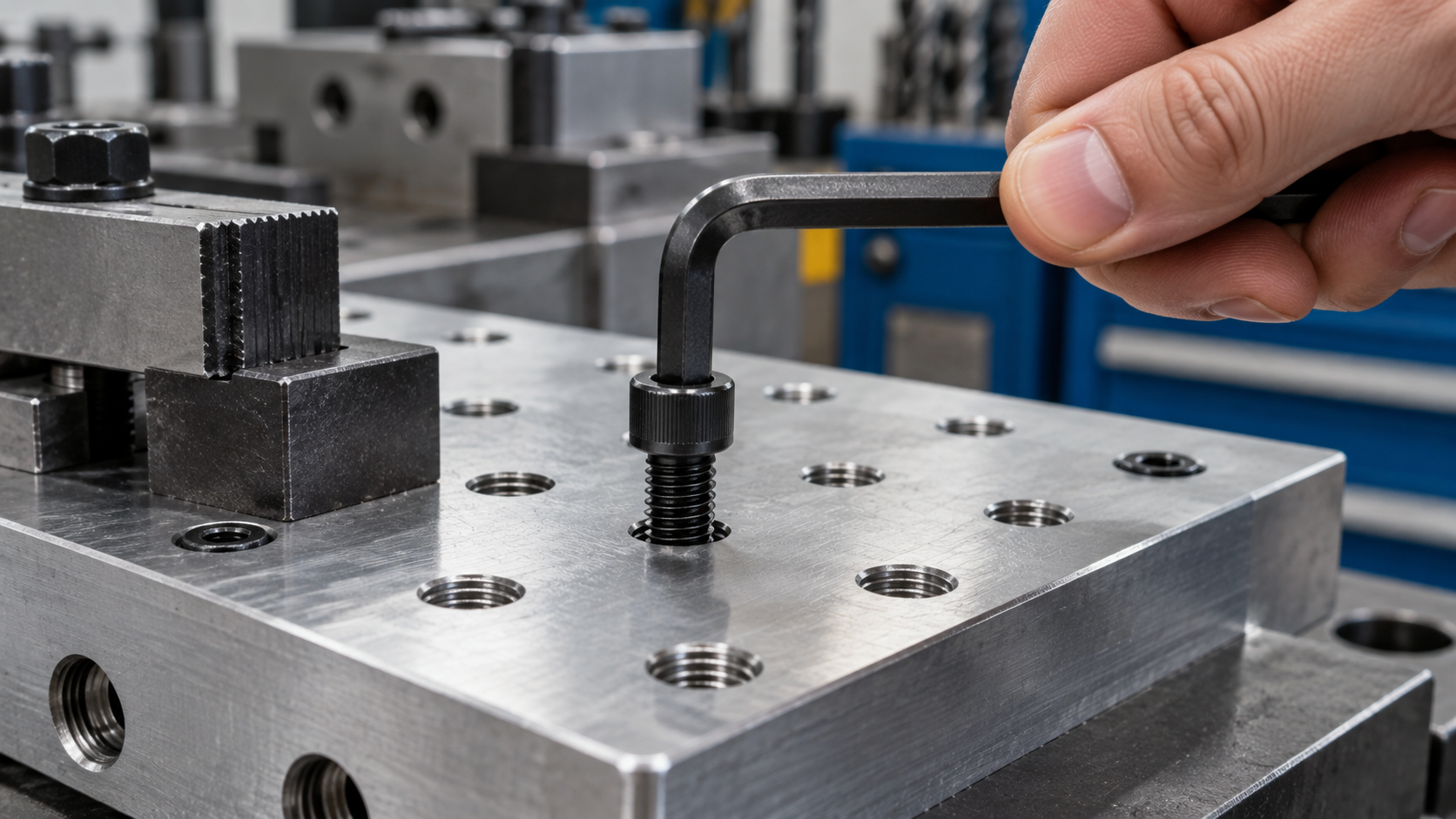
Socket head cap screws have a cylindrical head with an internal hexagonal recess. They are useful when the joint sits inside a narrow frame, when a low head diameter is valuable, or when an assembly needs a repeatable drive interface. The smaller bearing diameter concentrates load, so a hardened washer or a suitable counterbore may be necessary on softer surfaces.
Internal-hex engagement must be deep and clean. Select the correct key size, keep the tool square, and avoid driving a metric recess with an inch key. A rounded recess can turn a routine service job into a destructive extraction. In high-cycle maintenance, define a replacement interval for worn keys and use a calibrated torque tool rather than an impact driver.
ISO 4762 is commonly used as a dimensional reference for socket head cap screws, while property-class requirements and purchaser specifications determine strength and traceability. Verify the actual certificate and marking requirements with the supplier; a head shape alone is not proof of conformance.
How should engineers select machine screws by size and application?
Use the joint drawing and service environment together. A short screw may bottom in a blind hole before clamping, while an overlong screw can interfere with wiring or moving parts. Check the minor diameter, hole depth, thread class, washer stack, and available runout. For aluminum, brass, and plastics, consider an insert or longer engagement rather than simply increasing torque.
| Application | Typical decision | Dimension or test to document | Common failure if missed |
|---|---|---|---|
| Control-panel enclosure | Low-profile head with corrosion control | Head diameter, panel thickness, torque audit | Panel distortion or loosening |
| Machine guard bracket | Hex head or flange for wrench access | Wrench envelope, washer OD, vibration check | Service delay or fretting |
| Compact drive housing | Socket head cap screw in a counterbore | Counterbore depth, key clearance, preload | Stripped recess or head interference |
| Outdoor or washdown equipment | Stainless or qualified coated material | Salt-spray/finish requirement, galvanic review | Corrosion seizure or contamination |
| Soft-metal tapped hole | Thread insert or increased engagement | Thread shear area, pull-out test, insert spec | Stripped internal thread |
What standards and compliance records apply to machine screws?
Standards must be matched to the product and the claim. ASTM Committee F16 develops fastener standards covering areas such as dimensions, mechanical properties, coatings, and test methods; committee membership or a listing is not itself a product certification. ISO 4762 can define socket head cap screw dimensions, while ISO 898-1 addresses mechanical properties for carbon and alloy steel fasteners in applicable size and property ranges.
For a commercial purchase, request a drawing, material designation, property class, coating description, lot traceability, and inspection or test report where the application warrants it. Salt-spray testing such as ASTM B117 can compare coating performance under a defined test exposure, but it does not predict every field environment. Likewise, a torque value is meaningful only with the stated lubricant, washer, thread condition, and method.
Destination-market rules may add requirements for restricted substances, marking, or safety documentation. Tie each declaration to the actual part, lot, and intended use. Unsupported “aerospace,” “marine-grade,” or “certified” language can create warranty exposure, rejected shipments, and costly supplier corrective action.
What is the best workflow for selecting machine screws?
- Define the joint: load direction, vibration, temperature, corrosion, service frequency, and whether the hole is through or blind.
- Freeze geometry: nominal diameter, pitch, length under head, head style, drive, washer, thread class, and minimum engagement.
- Choose material and finish as a system with the mating metal; check galvanic risk and coating thickness in the hole.
- Validate installation: specify tool access, torque or angle method, lubrication state, and a sampling plan for torque audits.
- Control supply: approve a drawing and sample, require lot identification, and keep an alternate source qualified before a line-down event.
Qiyi Fastener can be considered when a buyer needs configurable dimensions, documented material options, and practical sourcing support; the correct choice still depends on the approved drawing and application evidence. For adjacent hardware planning, the flange nuts range can help keep the bearing and thread interface consistent.
Frequently asked questions about machine screws
What is a hex socket head cap screw?
A hex socket head cap screw is a cap screw with a cylindrical head and an internal hexagonal socket, intended for tightening with a hex key or bit. It is often selected for compact access and repeatable drive engagement. Confirm the dimensional and property standard rather than identifying it by head shape alone.
What is the difference between socket head and hex head screws?
A socket head uses an internal recess and needs axial tool access, while a hex head uses external flats and needs radial wrench clearance. Socket heads usually occupy less lateral space; hex heads can offer a larger bearing surface and easier visual inspection. The joint design and applicable grade decide which is appropriate.
What is the difference between a machine screw and a cap screw?
Machine screw is a broad functional term for a fully threaded screw used with a tapped hole or nut. Cap screw generally identifies a more tightly specified fastener family, often with a defined head geometry, dimensional standard, and mechanical property class. Review the drawing, standard, and certificate because trade usage varies by supplier and region.
Is a hex head cap screw the same as a bolt?
Not necessarily. “Bolt” and “screw” can be used differently in catalogs and standards, and the distinction may relate to whether the fastener is tightened by turning the head into a nut or tapped hole. Use the specified standard, thread, grade, and joint method instead of relying on the name alone.
For broader supplier screening, our industrial fastener manufacturers guide outlines the documentation questions worth asking before approval. For a project-specific review, use the Qiyi contact page.
Which references support machine screws?
- NASA fastener design and preload guidance.
- ASTM Committee F16 on Fasteners.
- McMaster-Carr machine screw product reference.
A reliable joint is designed as a system: the right thread, head, material, process, and record must arrive together.
When the specification is ready, browse machine screws for configurable options, then contact Qiyi Fastener to align the part with your drawing, inspection plan, and delivery requirements.