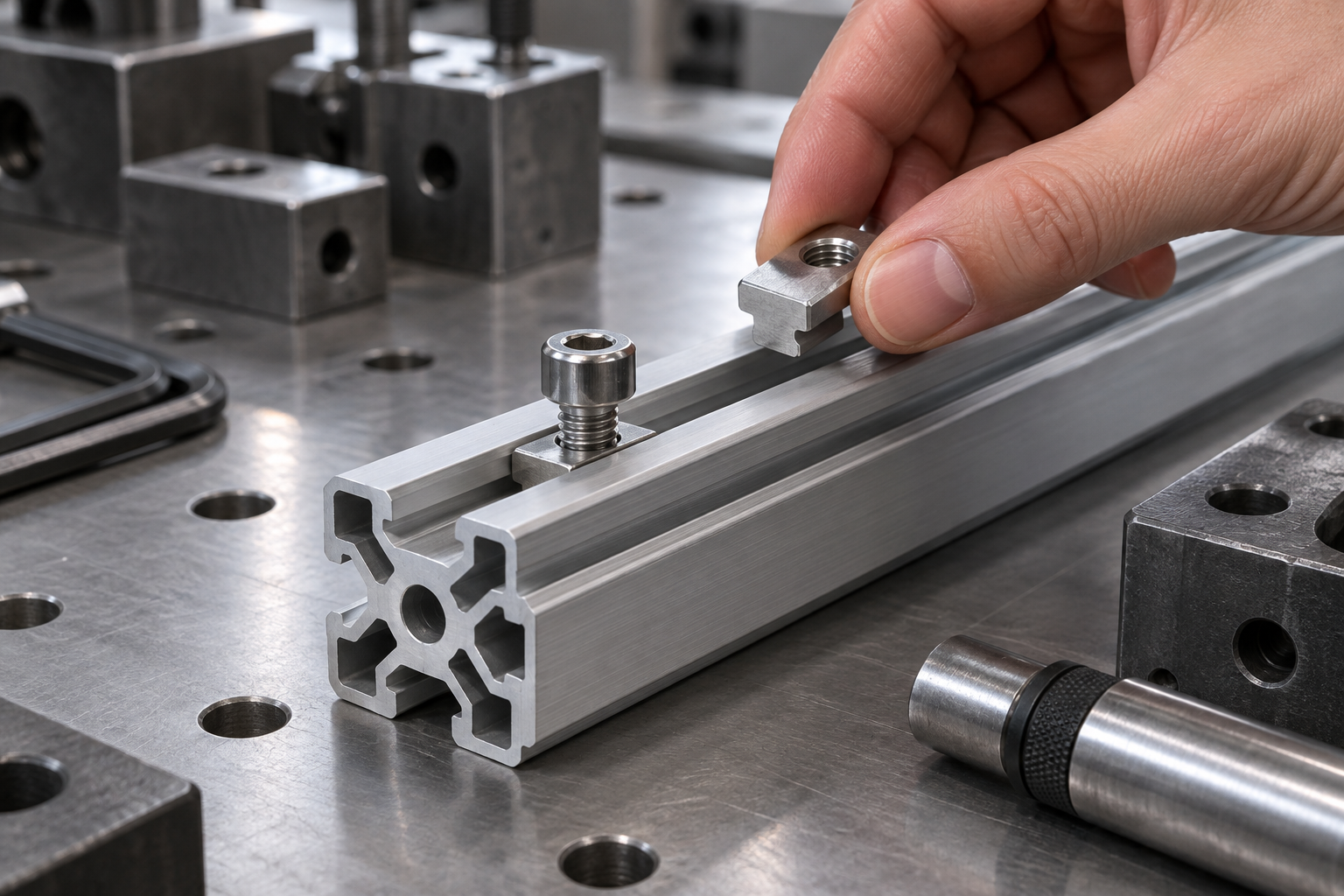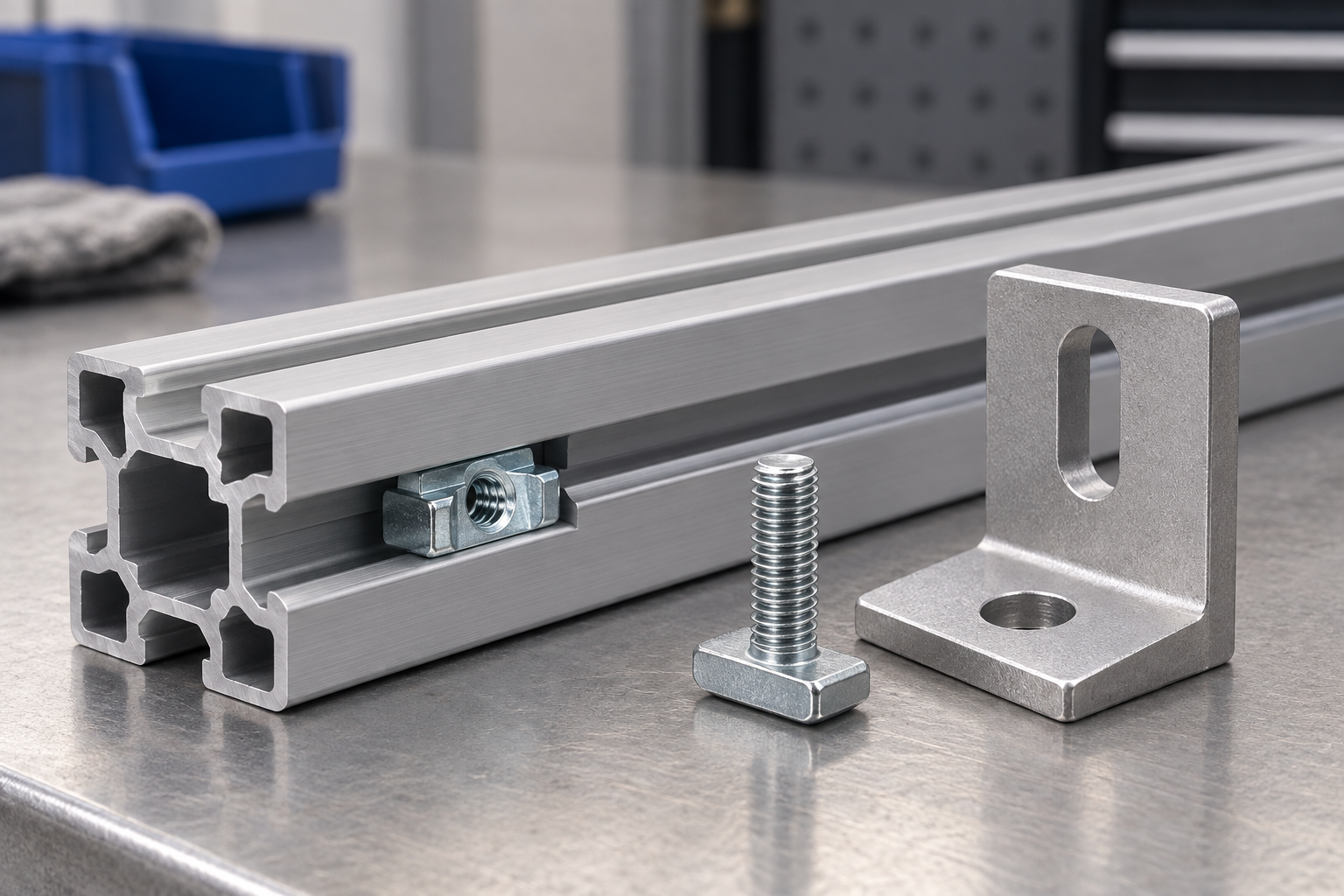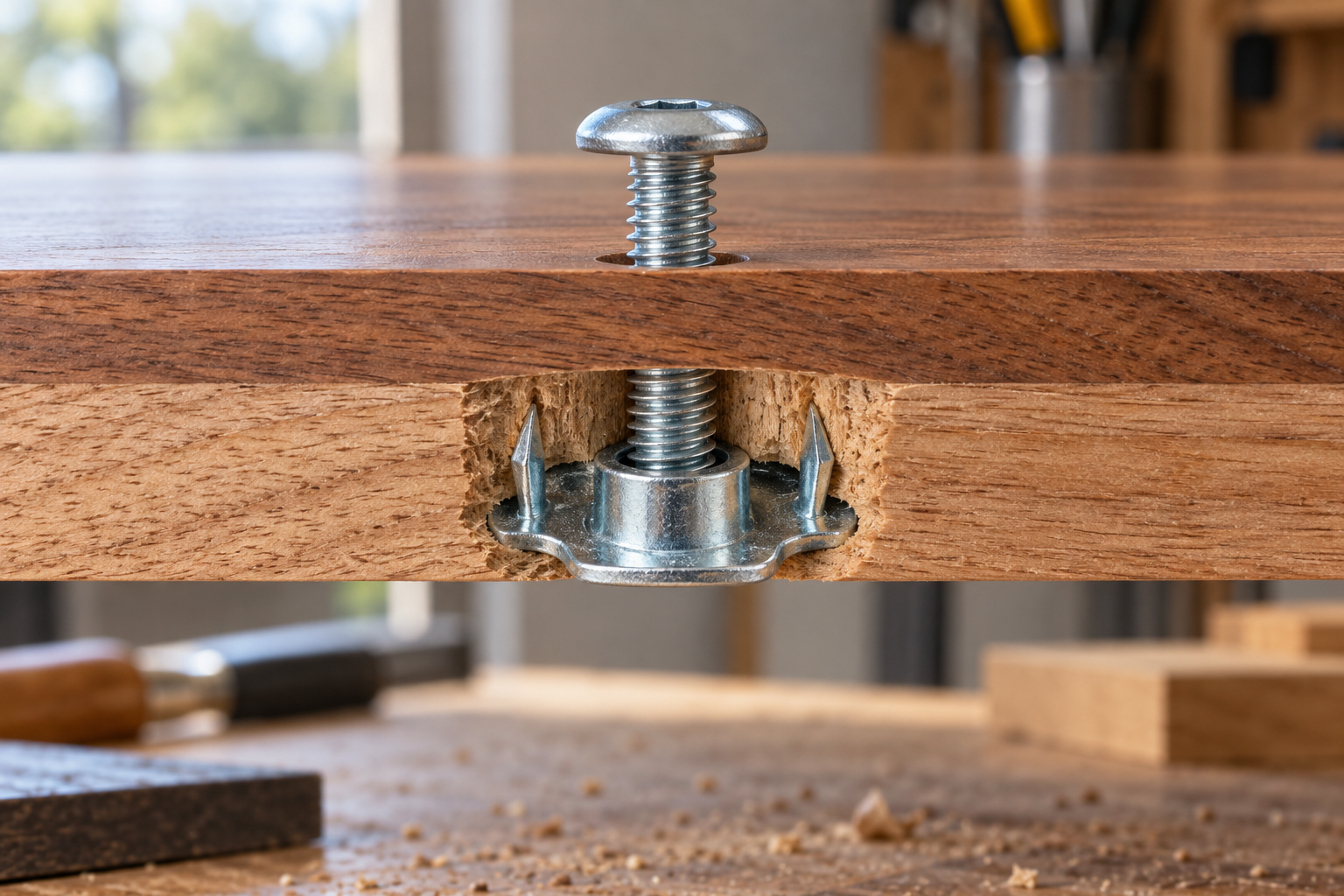
When a maintenance engineer in Ningbo encountered a problem, she tightened a stainless steel cover bolt on a washdown pump and watched the thread seize before the head reached the seating face. The crew cut the bolt out, inspected the mating threads, and found transfer marks rather than a defective heat lot. A controlled lubricant, slower installation speed, and a matched nut specification stopped the repeat failures; the root cause was selection and process control, not simply a bad product.
Bolt galling starts when sliding contact overwhelms the thread interface
Galling is adhesive wear: microscopic high spots on mating threads weld under pressure, then tear material away as the bolt turns. Austenitic stainless steel is especially vulnerable because it combines ductility with a naturally stable oxide film that can break and reform during sliding. The risk rises when threads are dry, contaminated, rough, mismatched, or driven at high speed.
Torque is an indirect control variable. In the simplified relation T = KFd, the nut factor K changes with surface finish, lubricant, coating, temperature, and tool speed; a torque value copied from a dry-steel joint can therefore over- or under-load a stainless assembly. A practical trial should measure torque and tension on representative parts, record at least 10 repeat installations, and set an acceptance band from the observed process rather than from a catalog number alone.
Look for warning signs before full seizure: a sudden torque spike, squeal, powdery debris, thread discoloration, or a bolt that advances in short jerks. Stop the tool when these appear. Continuing to turn can weld the joint and convert a low-cost fastener into a housing, insert, or field-service repair.
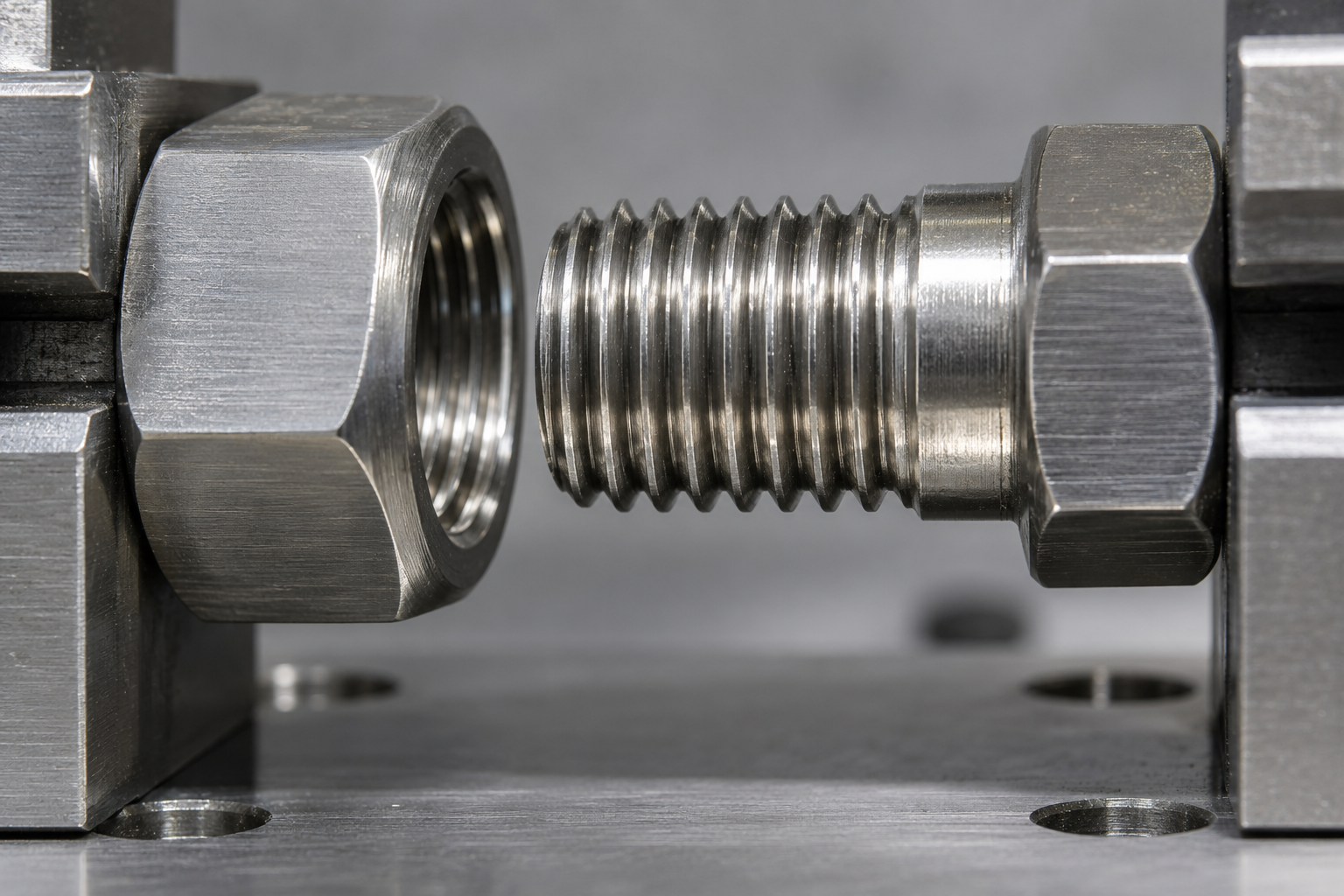
Thread galling accelerates when heat, pressure, and contamination remove the lubricant film
Thread galling is more likely when a joint combines high contact pressure with repeated sliding. Long engagement, fine pitch, damaged starts, burrs, and a power driver can all increase frictional heating. Chips, abrasive dust, chloride residue, and mixed batches with different surface finishes add third-body wear that makes the interface less predictable.
Keep both parts capped and clean until assembly, then inspect the first full thread and the lead-in chamfer. Use a brush or approved cleaning process that does not embed abrasive particles. Separate stainless fasteners from carbon-steel work areas when cross-contamination could create corrosion or damage the passive surface. For critical joints, document lubricant batch, application quantity, and the time between lubrication and tightening.
Installation speed matters because heat has less time to dissipate at high rpm. A hand tool or a low-speed clutch-controlled driver is usually easier to validate than an impact tool. Set a stop condition for torque rise, and train operators to back off rather than forcing a seized bolt; recovery attempts can damage the tapped part and obscure the original failure mode.
Stainless steel galling risk falls when material pairing and surface condition are specified
Stainless steel galling prevention starts with the complete pair, not the bolt alone. A2/A4 designations and equivalent grades can have different work-hardening behavior, and nominally similar parts from different suppliers may have different roughness or passivation histories. Pairing austenitic stainless with a suitable nut or coating, increasing hardness contrast where the design permits, and avoiding unnecessary over-engagement can reduce adhesive contact.
Do not infer service life from a salt-spray number. ISO 9227 describes neutral salt-spray testing and can help compare corrosion behavior under the specified laboratory cycle; it does not predict galling torque or guarantee field life. Galling evaluation needs a controlled assembly test with the actual finish, lubricant, thread geometry, tool, and target preload.
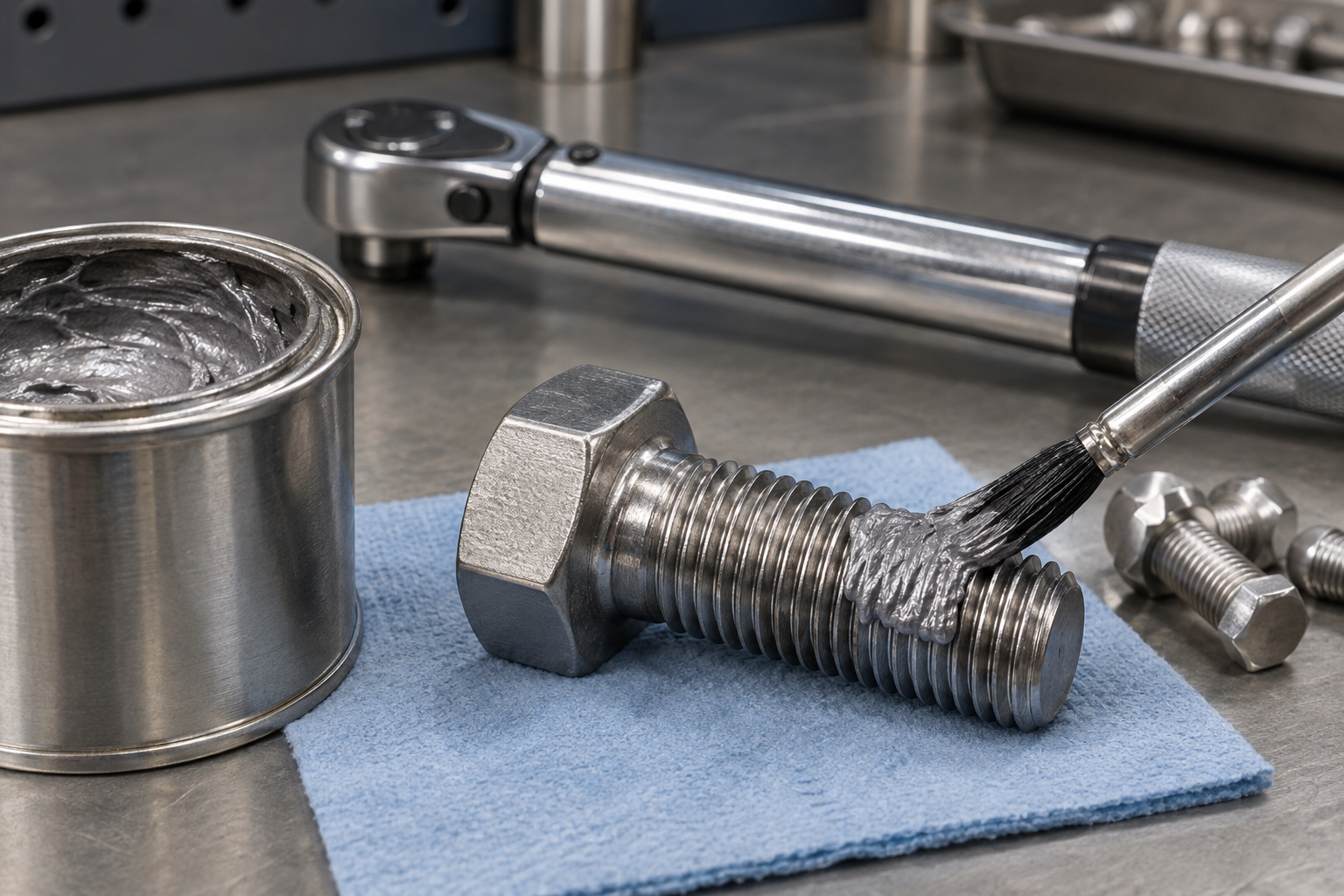
Bolt galling prevention is easier when the assembly specification is explicit
Write the thread designation, stainless grade or property class, mating nut, length, engagement, surface finish, lubricant, tool type, speed limit, target preload, and inspection frequency on the drawing or purchase order. Include a rejection rule for damaged starts and a disposition for parts that have been lubricated but not installed. This turns a tacit operator habit into a reproducible process.
The comparison below frames common controls by their practical effect. The terms describe tendencies, not universal guarantees; validate the selected combination on representative production parts.
| Control choice | Performance effect | Durability and maintenance | Compatibility | Unit-cost tendency | Total-cost implication |
|---|---|---|---|---|---|
| Dry stainless-on-stainless threads | High friction scatter; seizure risk | Little preparation, difficult service | Only for validated low-risk joints | Low | Often expensive after rework or removal damage |
| Anti-seize or assembly lubricant | Lower friction and heat when validated | Requires clean storage and replenishment | Check chemical, temperature, and contamination limits | Low to medium | Usually lowers installed and field-service cost |
| Hardness- or finish-contrast pairing | Reduces adhesive contact tendency | Finish must remain stable in service | Review corrosion and galvanic behavior | Medium | Useful where repeat removal or high preload matters |
| Low-speed controlled driver | Limits heat and torque spikes | Needs calibration and operator training | Works with documented torque-to-tension data | Medium | Reduces line stoppage and inconsistent joints |
| Manual torque with first-off trial | Good feedback for short runs | Labor-intensive; tool checks still required | Suitable when access and quantity permit | Low to medium | Can be economical for prototypes or variable builds |
Bolt galling prevention improves when buyers follow five sourcing actions
- Define the joint. Record load, preload, engagement, access, temperature, vibration, washdown chemistry, and removal frequency.
- Specify the pair. Name the bolt and nut material, grade, finish, thread geometry, tolerance, and acceptable surface condition.
- Lock the lubricant. State the product family, application amount, storage conditions, compatibility limits, and change-control rule.
- Validate installation. Run a first-off torque-to-tension trial, cap tool speed, calibrate equipment, and define the stop-and-rework response.
- Review total cost. Include labor, scrap, downtime, field extraction, replacement access, inspection, and documentation, not only piece price.
Qiyi Fastener can support this review when a project needs configurable joint hardware and drawing-based sourcing. Buyers comparing modular hardware can review bolt galling control hardware options and keep the final bolt, nut, lubricant, and installation controls in one approved specification.
Frequently asked questions
How to prevent galling on stainless steel bolts?
Use a compatible material pair, clean and undamaged threads, a verified lubricant, and a low-speed controlled installation process. Validate torque against tension on representative parts and stop when torque rises abnormally. For adjacent modular hardware, a buyer can also compare hammer nut options that match the assembly’s material and access requirements.
Is stainless steel prone to galling?
Yes, many austenitic stainless combinations are more prone to adhesive wear than a lubricated steel pair because the material is ductile and work-hardens during sliding. The risk depends on grade, finish, pressure, speed, cleanliness, and lubrication, so “stainless” alone is not a sufficient process specification. A controlled first-off trial gives a more useful answer than a generic material label.
What does “bolt galling” mean?
It means adhesive wear in which mating thread asperities weld under load and tear during rotation, causing a sudden torque increase or seizure. The damage can transfer metal between the bolt and nut and may make removal impossible without cutting. Inspect the joint, preserve the failed parts, and record the installation condition before changing the specification.
How to fix thread galling?
Stop turning as soon as seizure is suspected, then use the approved extraction method for the equipment; forcing the tool can damage the tapped component. Replace damaged fasteners, clean or replace the mating part as required, and identify the initiating combination of material, lubricant, speed, and contamination. For redesigns, slide-in economy T-nuts and square nuts can be reviewed where a replaceable mating component improves serviceability.
References
For a project review, send Qiyi Fastener the drawing, target grade, environment, quantity, lubricant constraints, and installation method through the Qiyi Fastener contact page.