When Lena Wu, a Suzhou maintenance engineer, found a loose cable-tray bracket, she replaced its screws with an electric driver during a brief production halt. The bracket shifted again within two hours, and the second attempt stripped the screw recess. A drawing review revealed the original design required self-drilling fasteners for thin sheet metal, but blunt machine screws with ill-fitting washers were used. The root cause was improper fastener and substrate selection, not poor tool performance.
Electric fasteners are selected as a joint system, not a single tool
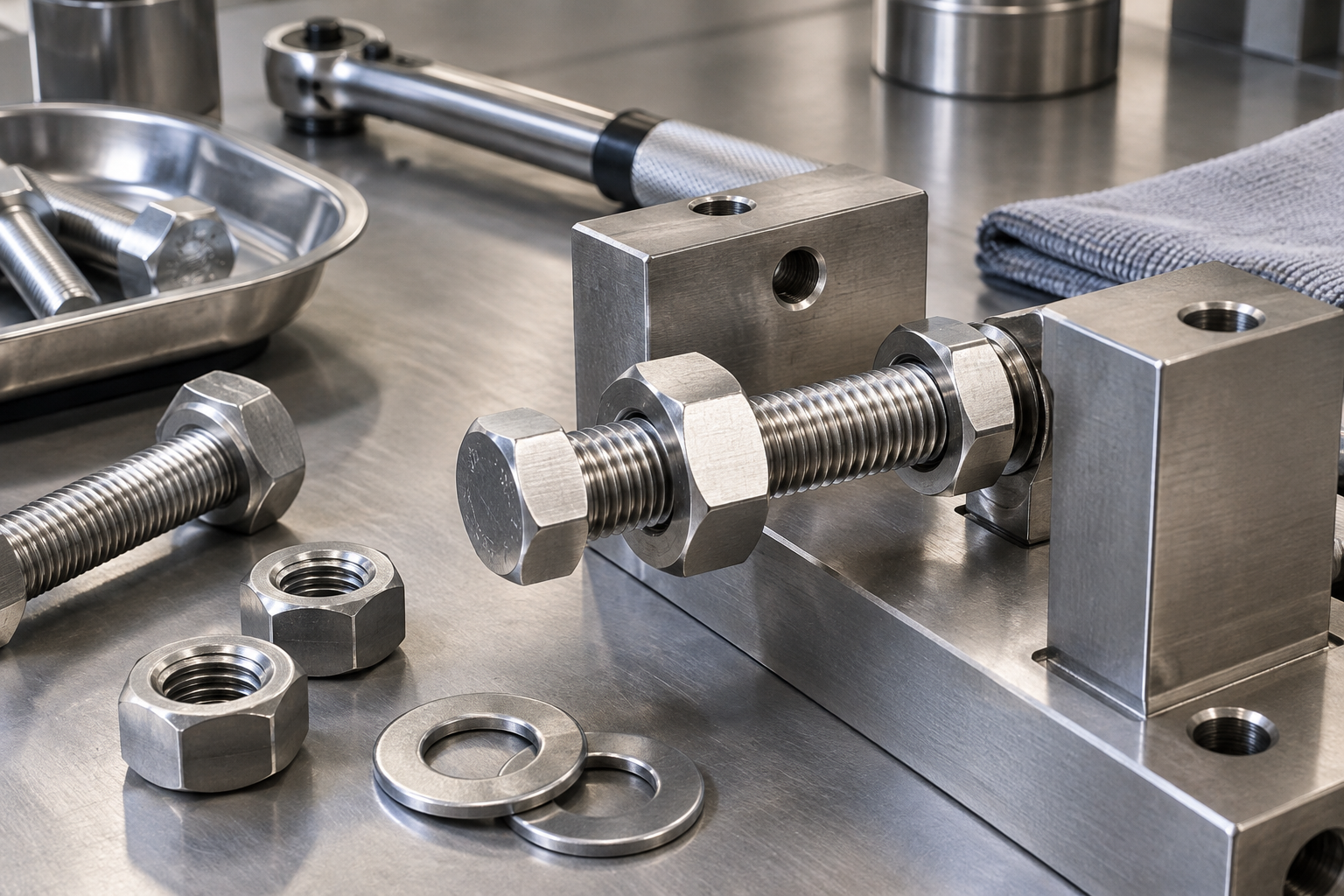
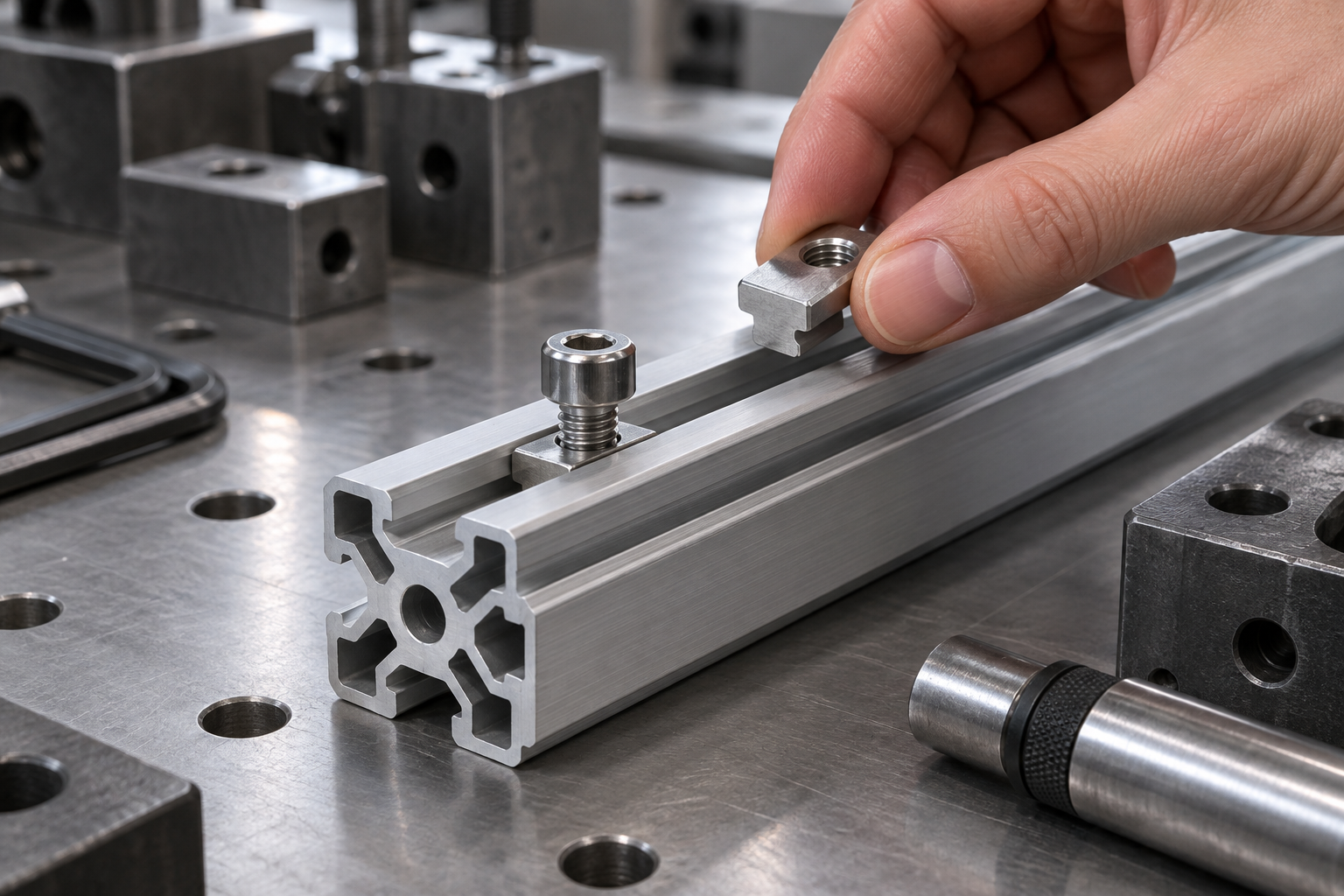
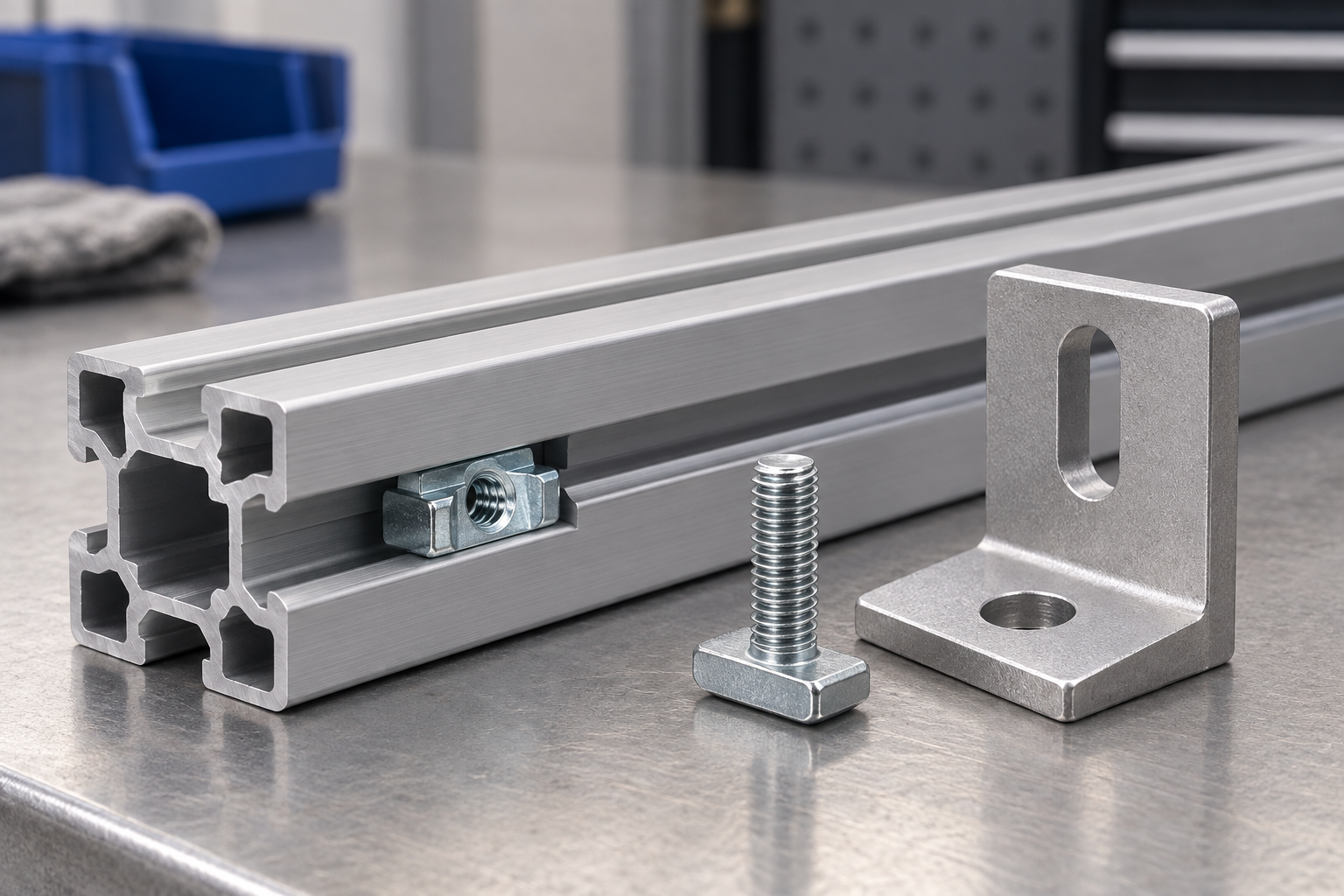
In industrial purchasing, “electric fastener” often describes a fastener installed by an electrically powered driver rather than a special conductive screw. The fastener may be a machine screw, self-tapping screw, self-drilling screw, bolt, nut, rivet nut, or threaded insert. The correct choice follows the load path and the substrate. Electric fasteners in a tapped steel frame, a thin galvanized panel, and a concrete slab each require a different hole-making and retention strategy.
Start with the joint’s service loads: tension, shear, vibration, fatigue, thermal cycling, or a combination. Then record material thickness, access, edge distance, corrosion exposure, and whether the joint must be removed for maintenance. A torque-controlled driver can improve repeatability, but it cannot compensate for insufficient thread engagement, a washer that dishes the sheet, or a screw point that never reaches sound material.
Define the installation interface before ordering
Specify nominal diameter, thread pitch, length under head, head and drive style, point geometry, material, coating, and locking feature. For a machine screw, state whether the receiving thread is cut, rolled, or provided by a nut or insert. For a self-drilling screw, state the sheet range and drill-point requirement. Drawings should also call out the driver bit, access direction, and a maximum protrusion where the back side is exposed.
Electrically driven installation can create a hidden risk: a fastener may be tight while clamp force is low because friction, coating thickness, or thread damage has changed. Where preload matters, correlate a torque setting with tension on representative parts and retain a sample record. The torque equation T = KFd is a planning relationship, not proof that every installed joint reached the target force.
Power fasteners change productivity only when the substrate is specified
Power fasteners can mean screws, pins, threaded studs, or other fasteners installed with a powered tool. Electrically driven systems use a motor and a bit or socket; powder-actuated systems use a cartridge to drive a fastener into concrete or steel. Pneumatic and battery tools are related installation methods, but they have different energy sources, noise profiles, maintenance routines, and authorization boundaries.
For thin metal, a self-drilling screw may combine drilling and thread forming, reducing operations but increasing the importance of point length and pilot alignment. For a pre-punched steel frame, a machine screw and prevailing-torque nut may give better serviceability. For masonry or structural concrete, an anchor system with published embedment and spacing data is normally evaluated instead of treating a screw as a universal answer. Never infer concrete capacity from a screw’s tensile grade alone.
Electric tools need a controlled installation and verification plan
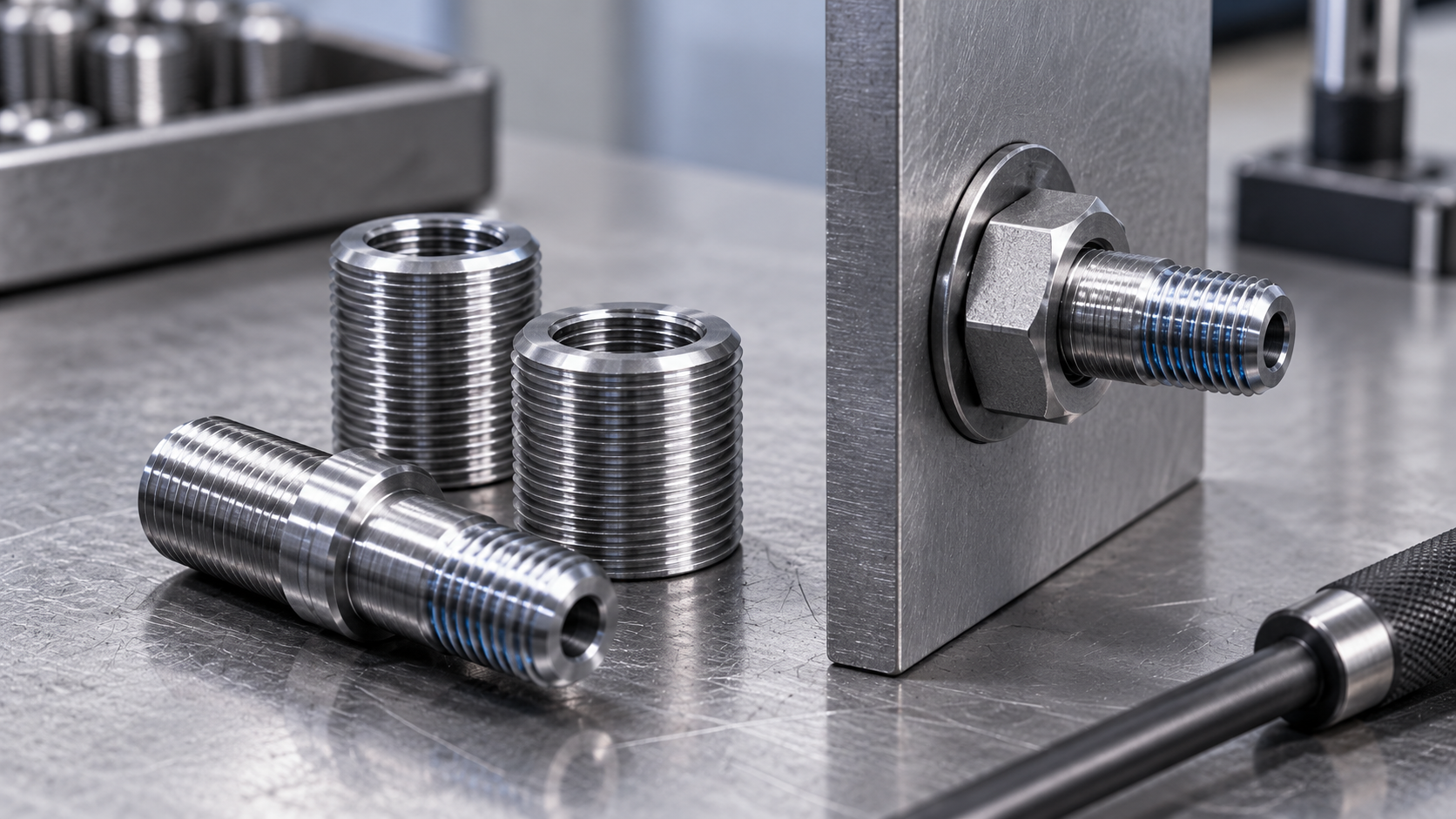
Electric tools range from compact screwdrivers to nutrunners and impact drivers. Select by the required torque window, speed, reaction force, access, duty cycle, and environmental rating. A tool that reaches a high peak torque may be unsuitable for a small screw because its shut-off resolution is too coarse. Conversely, a low-torque screwdriver can stall on a large bolt and encourage operators to add an unapproved extension.
Use a short capability trial with production parts. Record the tool model, bit or socket, fastener lot, lubrication, target setting, achieved torque or depth, and operator feedback. A calibrated torque transducer or a suitable tension test can establish correlation; a printed setting on the tool is not a test report. For self-drilling screws, inspect seating, thread formation, sheet breakout, and minimum edge distance rather than torque alone.
Maintenance should be part of the purchase decision. Battery packs age, clutches drift, bits wear, and impact mechanisms alter the load path. Define calibration intervals, spare-bit standards, battery interchange rules, and a quarantine process for dropped or overheated tools. Where traceability is needed, a digital controller may record serial number, result, and timestamp, but the record still needs a clear acceptance limit.
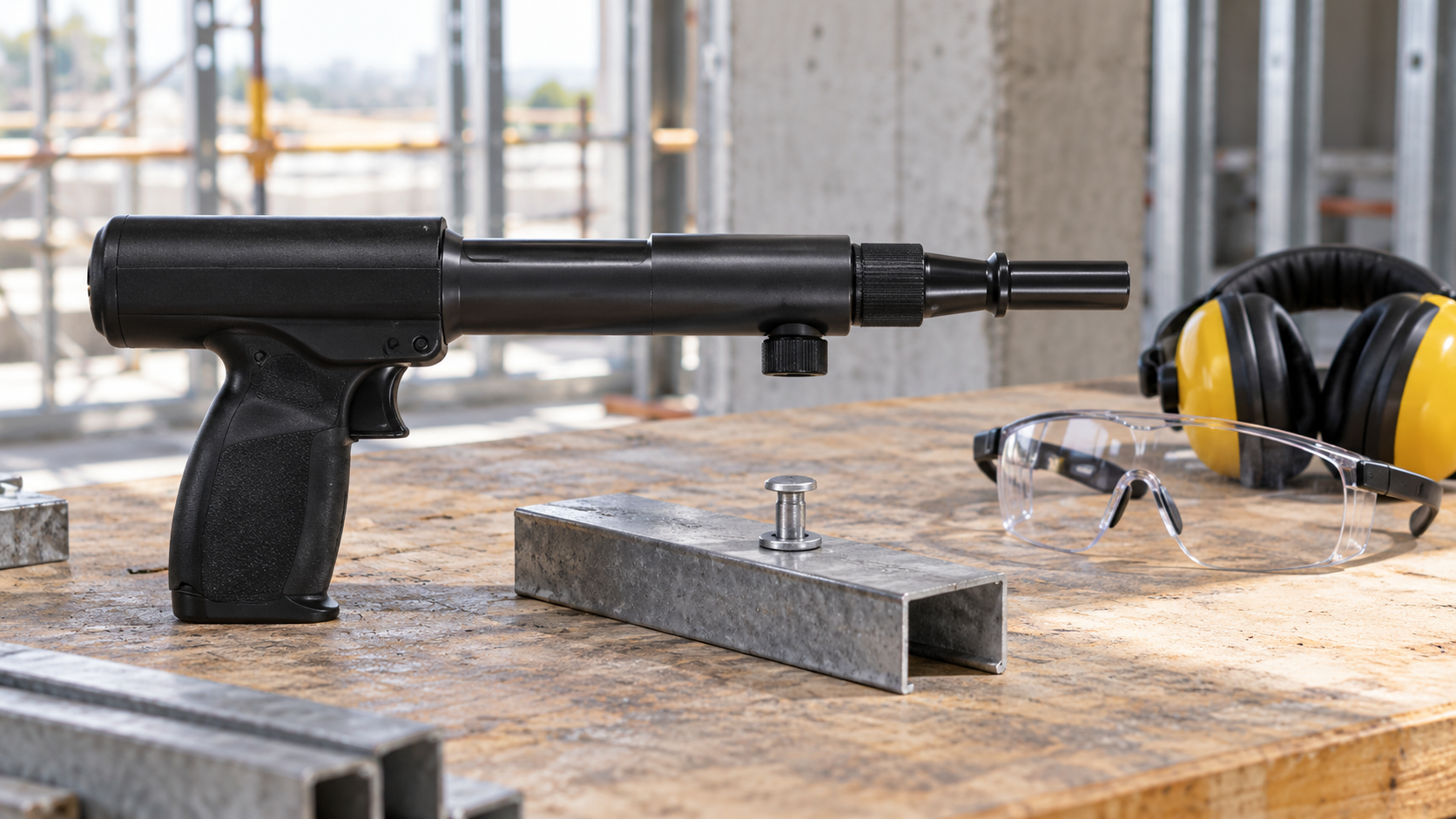
Electric fasteners are easier to procure with a disciplined selection sequence
- Describe the joint. List loads, substrate, thickness, service environment, access, removal needs, and consequences of failure.
- Choose the fastening family. Decide between a machine screw, self-tapping or self-drilling screw, bolt and nut, insert, anchor, or an approved power-actuated fastener.
- Match the electric tool. Set the torque or depth window, bit and socket standard, reaction arrangement, duty cycle, power source, and operator ergonomics.
- Prove the process. Run a representative trial, correlate the setting with torque, tension, or depth, and define visual acceptance checks and records.
- Buy traceability. Require drawing revision, lot identification, material and finish information, packaging controls, and a change-notification route.
Qiyi Fastener can be one sourcing option when a buyer needs configurable nuts, screws, bolts, or related hardware with clear drawings and documentation. Review the supplier’s product scope and technical response against the joint specification; do not treat a catalog category as an engineering approval. For a broader supplier-screening checklist, see the industrial fastener manufacturers guide.
Frequently Asked Questions
What are fasteners tools?
“Fastener tools” refer to equipment for fitting or removing fasteners, including screwdrivers, nutrunners, torque wrenches, rivet-nut tools, drills and certified anchor installers. Tool selection depends on fastener type, substrate, preload/depth requirement, access and safety. Specify tools and fasteners together, then verify finished installations.
What are power actuated fasteners used for?
Power-actuated fasteners are used to attach approved fixtures or tracks to suitable concrete or structural steel when a qualified method is allowed. They are not a general substitute for anchors, bolts, or screws, and capacity depends on substrate, fastener, load, spacing, and embedment. Use only trained and authorized personnel under the applicable site procedure.
What are 7 types of fasteners with examples?
Seven common families are bolts, screws, nuts, washers, rivets, pins, and threaded inserts. Examples include a hex-head bolt, machine screw, prevailing-torque nut, flat washer, blind rivet, spring pin, and rivet nut. Selection still depends on joint loads, materials, access, environment, and whether removal is required.
What are power-actuated tools?
Power-actuated tools drive a fastener with stored or released energy, commonly from a powder cartridge, compressed air, or another approved power source. A powder-actuated tool is distinct from an electrically powered screwdriver and has separate authorization, inspection, and exclusion-area requirements. Follow the tool maker’s instructions and the site’s safety program.
Can you give me some examples of powder-actuated tools?
Examples include low-velocity and high-velocity powder-actuated systems designed for specific substrates, loads, and fastener families. Product names and permissible loads vary by manufacturer and jurisdiction, so a generic example is not a selection approval. Ask the site safety lead to confirm training, inspection, and the approved tool and cartridge combination.
What is a powder-actuated tool?
A powder-actuated tool uses a controlled cartridge to propel a fastener into an approved base material. It can be efficient for qualified construction work, but misuse can cause penetration, ricochet, or structural damage. Treat authorization, substrate inspection, personal protection, and documented procedures as prerequisites, not optional accessories.
References
- HSE guidance on powered hand tools and equipment.
- HSE HSG17, Safety in the use of woodworking machinery.
- HSE work equipment and machinery guidance.
- Hilti power tools technical resource.
The durable principle is simple: match the fastener, tool, substrate, and evidence as one decision. When the joint requirements are clear, Qiyi Fastener can help review relevant nuts, screws, bolts, and related categories; browse the product range and contact the team with the drawing, material, and installation conditions for a focused response.