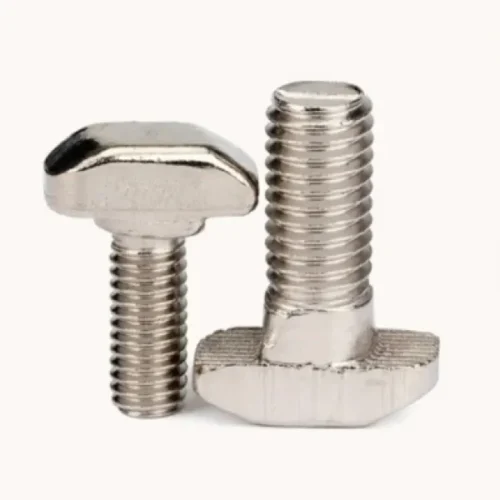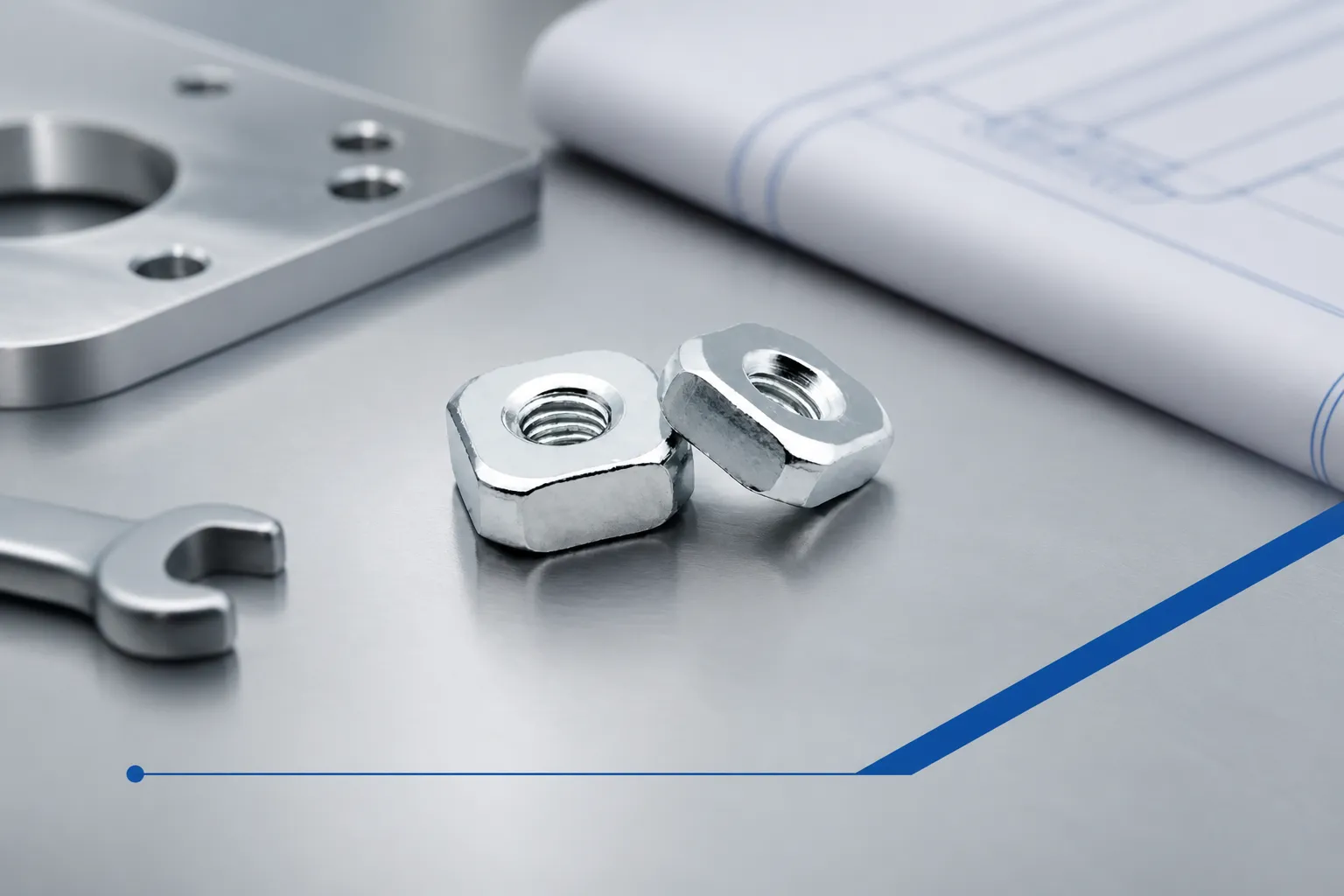
In many types of machinery and structural systems, spring washers are vital, though they may seem simple.The main purpose of a spring washer is to keep fasteners from loosening because of vibration or dynamic loads, which helps ensure the longevity and maximum reliability of your assembly.If you’re involved in any industry that requires proper use of spring washers, i.e., construction, automotive repair, or machinery assembly, you need to understand how to correctly install spring washers.This exhaustive reference will cover all aspects associated with the usage of spring washers: what they are and how to install them; different types and advantages of spring washers; how to replace them; and how they relate to the various parts of your project. After reading this information, you should have a complete picture of what spring washers do and how they can be beneficial for your work.
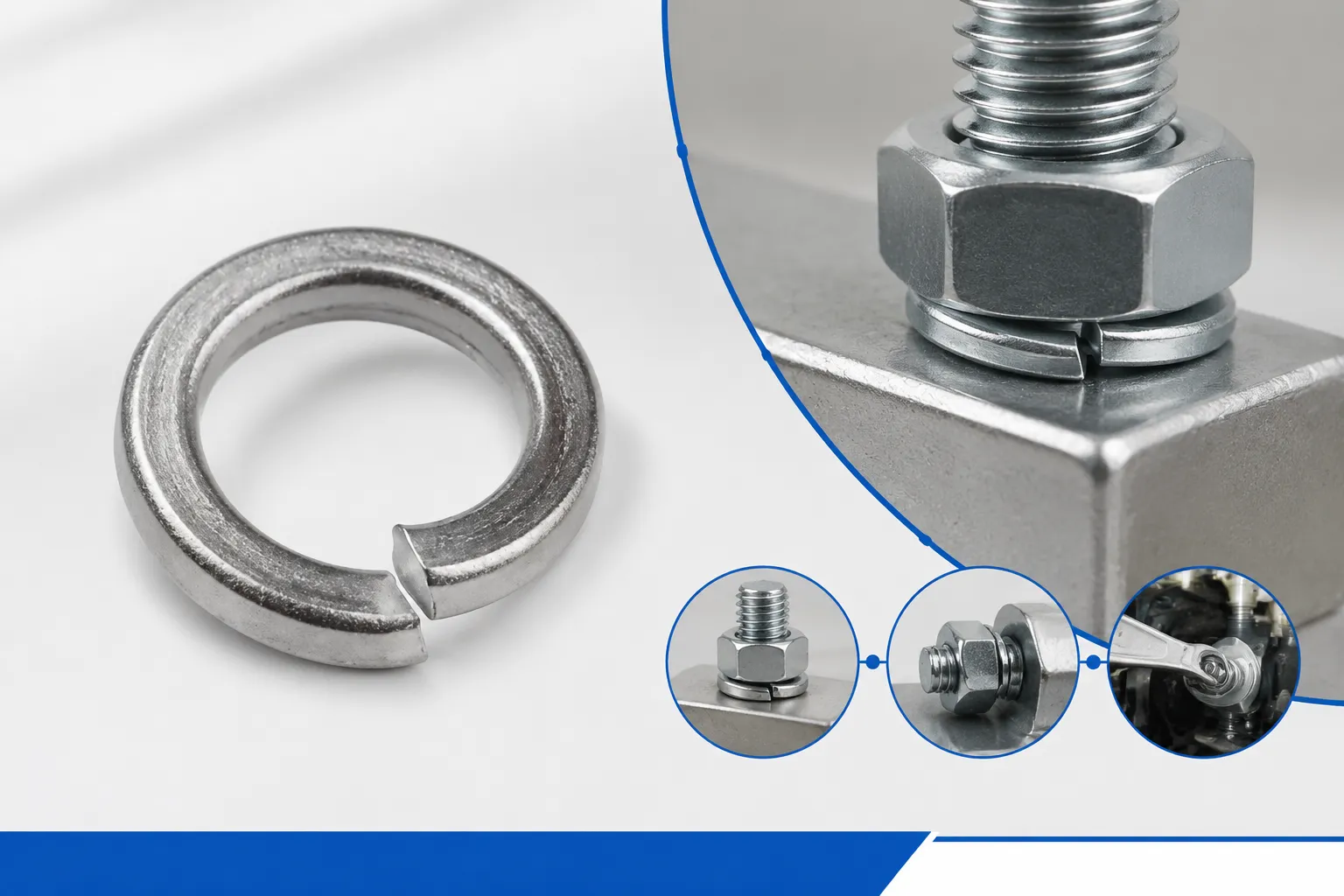
What Is a Spring Washer?
A spring washer (often referred to as a split lock washer) is an unusual kind of washer that is used to maintain pre-load force in bolts and screws; unlike flat washers that are solely used to distribute load, spring washers are designed to exert a constant pre-load force. This allows the connection to remain securely fastened under all conditions, especially in areas that often experience vibration or dynamic loads.
How to Install a Spring Washer?
Correctly installing a spring washer is crucial to ensuring that it serves its intended purpose. The following is a list of steps for correctly installing a spring washer as part of an assembly:
The first step in effective use of spring washers is selecting the appropriate type and size; this will depend on things such as the diameter of the bolt, material it is made from, and the conditions in which it is used (e.g., being exposed to weather, chemicals, or heat). An example: A stainless steel split lock washer can be an excellent way to keep from corroding, making it well suited for outside application.
Ensure Proper Placement of Washer: For a screw or bolt, place the spring washer below the head of the bolt/screw and the section on which it is going to secure; if you’re going to be using the washer under the nut, the washer needs to go between the nut and the section it’s fastening to. When installing split washer, make sure both ends of the gap are pointed away from the section being fastened as this will provide adequate tension upon being tightened.
Tighten the Fastener: You will need to tighten the bolt/nut down using a wrench and/or screwdriver. As the spring washer compresses, it creates a locking mechanism for the fastener, preventing it from backing out.
Verify Security Again: Once you have tightened it, check to see if the washer has compressed (meaning it was doing its job). If it has not compressed, then loosen the fastener and re-tighten.
Tips for Using Spring Washers Effectively
Using spring washers effectively requires paying attention to the materials, applications, and forces involved in your project:
– Avoid Overloading: Ensure that the spring washer is within its load-bearing capacity. Overloading the washer can lead to failure or deformation.
– Pair with the Right Nut: In high-vibration settings, using a lock nut in conjunction with a spring washer can provide enhanced security.
– Maintain Alignment: The washer and fastener should be properly aligned; uneven pressure can compromise the assembly.
– Use High-Quality Materials: In demanding applications, always use washers made of durable materials such as stainless steel or alloy steel for reliable performance.
What Are the Benefits of Using Spring Washers?
Spring washers offer several advantages, making them an essential component in various industries:
– Vibration Resistance: One of the main benefits of using spring washers is their ability to resist vibrations, which reduces the chances of the fasteners becoming loose over time.
– Even Load Distribution: Spring washers ensure a uniform load distribution, preventing excessive stress on one part of the joint.
– Compact Design: Compared to other anti-loosening solutions like adhesives, spring washers are compact, reusable, and easy to install or replace.
– Corrosion Resistance: If made from materials like stainless steel, spring washers can withstand exposure to moisture, chemicals, and extreme temperatures.
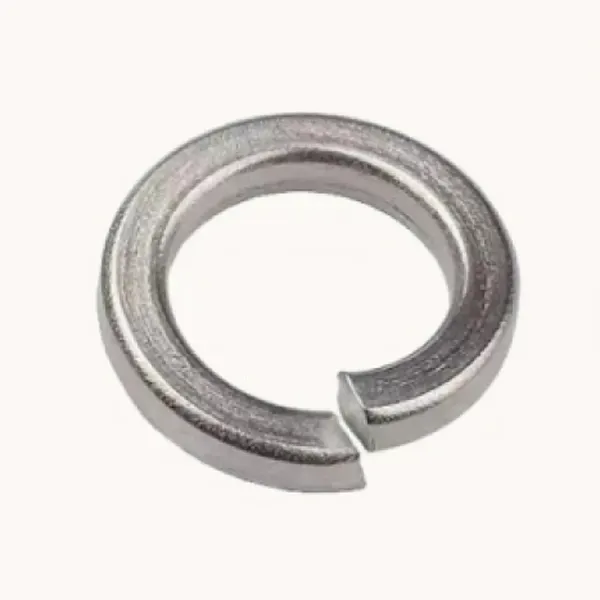
How to Replace Spring Washers?
With regular use, even high-quality spring washers can wear out and lose their flexibility. If you suspect that a washer no longer provides adequate tension, replacement is necessary. Here is how:
1. Disassemble the Joint: Carefully loosen the fasteners holding down the washer. Use the correct tools to avoid damaging the screws or bolts.
2. Inspect the Old Washer: Check the condition of the old washer. Look for signs of damage, deformation, or corrosion. If the washer appears flattened or broken, it must be replaced.
3. Install the New Washer: Select a suitable replacement spring washer with the correct dimensions and material. Follow the steps outlined in the installation section to secure it properly.
Applications of Spring Washers
Spring washers are widely used in many industries for their ability to provide secure fastening and vibration resistance. Some common applications include:
– Automotive Industry: Securing engine parts, suspension systems, and undercarriage components that are exposed to constant movement.
– Construction: Used in frames, beams, and structures to prevent bolts from loosening under stress or vibration.
– Electrical and Electronics: Small and medium-sized spring washers are used in appliances and circuit boards.
– Heavy Machinery: Ensures consistent fastening in large machines that operate under extreme conditions.
FAQs
How are spring washers different from flat washers?
Unlike flat washers, which only distribute load, spring washers provide tension to help secure fasteners and prevent loosening under vibration or dynamic load.
Can spring washers be reused?
In many cases, spring washers can be reused if they are not deformed or worn out. Inspect them carefully to ensure they still function correctly.
What materials are spring washers made of?
Common materials include stainless steel, carbon steel, and alloy steel. Each material is suited for different environments, with stainless steel providing excellent corrosion resistance.
Can I use a spring washer with a lock nut?
Using a spring washer in combination with a lock nut is a common practice for added fastening security, especially in high-vibration situations.
How do I test whether my spring washer needs replacing?
A visual inspection will help; if the washer appears flattened or deformed, it has likely lost its tension and should be replaced.
Are spring washers necessary in all applications?
They are not always mandatory. For static loads or low-vibration applications, a flat washer might suffice. However, for high-stress or high-vibration environments, using a spring washer is highly recommended.
Using spring washers is an effective way to enhance the durability and safety of any assembly. From proper installation to understanding the different types and their benefits, mastering spring washers is essential knowledge for DIY enthusiasts and professionals alike. By ensuring that your washers are correctly installed and replaced when necessary, you can create reliable and long-lasting connections in your projects. With high-quality materials and proper usage, spring washers can save you time, money, and headache in the long run, making them a worthwhile investment for any application where secure fastening is required.