When choosing a custom fastener manufacturer, look for a clear connection between the drawing, the sample that was approved, and the lot that is eventually shipped. Ask each supplier to show how they identify the revision, check the critical features, and maintain that link if material, finish, tooling, or a subcontracted operation changes.
This is a purchasing checklist for made-to-drawing bolts, screws, nuts, washers and other small assembly parts. Use it to determine whether a supplier can quote and document the part you need. The drawing owner still decides which features and records the application requires.
What a Custom Fastener Manufacturer Should Confirm
Provide a controlled drawing, the applicable revision and purchase requirements, and a short explanation of the main fit or service condition. A supplier can show how they will review it before quoting. Ask for conflicts, open questions, and proposed deviations in writing. If quotes could come from a stock item, modified stock, or a custom run, identify which route is being offered because inspection and change control can differ.
When price discussions reach quantities and delivery, ask who owns each stage that could affect the finished part. Forming, machining, finishing, incoming inspection, and marking do not all have to happen at the same location. The buyer should know which responsibilities are under the quoted supplier’s control, who can approve a change, and how they will record the decision.
Connect sample approval to the first production lot
A fit sample can answer whether the part fits into a mating fixture. Production approval may require more information: the drawing revision used, the way the part was made, the results of inspections, and whether the quoted material and finish were present. Require the sample report to identify the part and feature measured. Only require a formal report or certification where the contract calls for it.
| Decision point | Evidence to request | What to compare |
|---|---|---|
| Quote | Revision, exceptions, process outline and target quantity | Whether the quote answers the released requirement |
| Sample approval | Identified sample, inspection record and approval conditions | Whether critical features were checked against the same drawing |
| Production acceptance | Lot identity, agreed release records and labeling | Whether the package and record point back to the same order and part |
| Change or problem | Written notice, affected lot scope and agreed disposition | How stock is held, identified, and released after review |
Suppose the sample of a special insert seats correctly in a machined part. The series order then lists a different finish and a different source for one process step. Ask whether any dimension that controls seating is affected and whether the change triggers approval. The previous fit result only answers the configuration that was actually tested. A change-control contact and a clear decision record help prevent unintended substitutions.
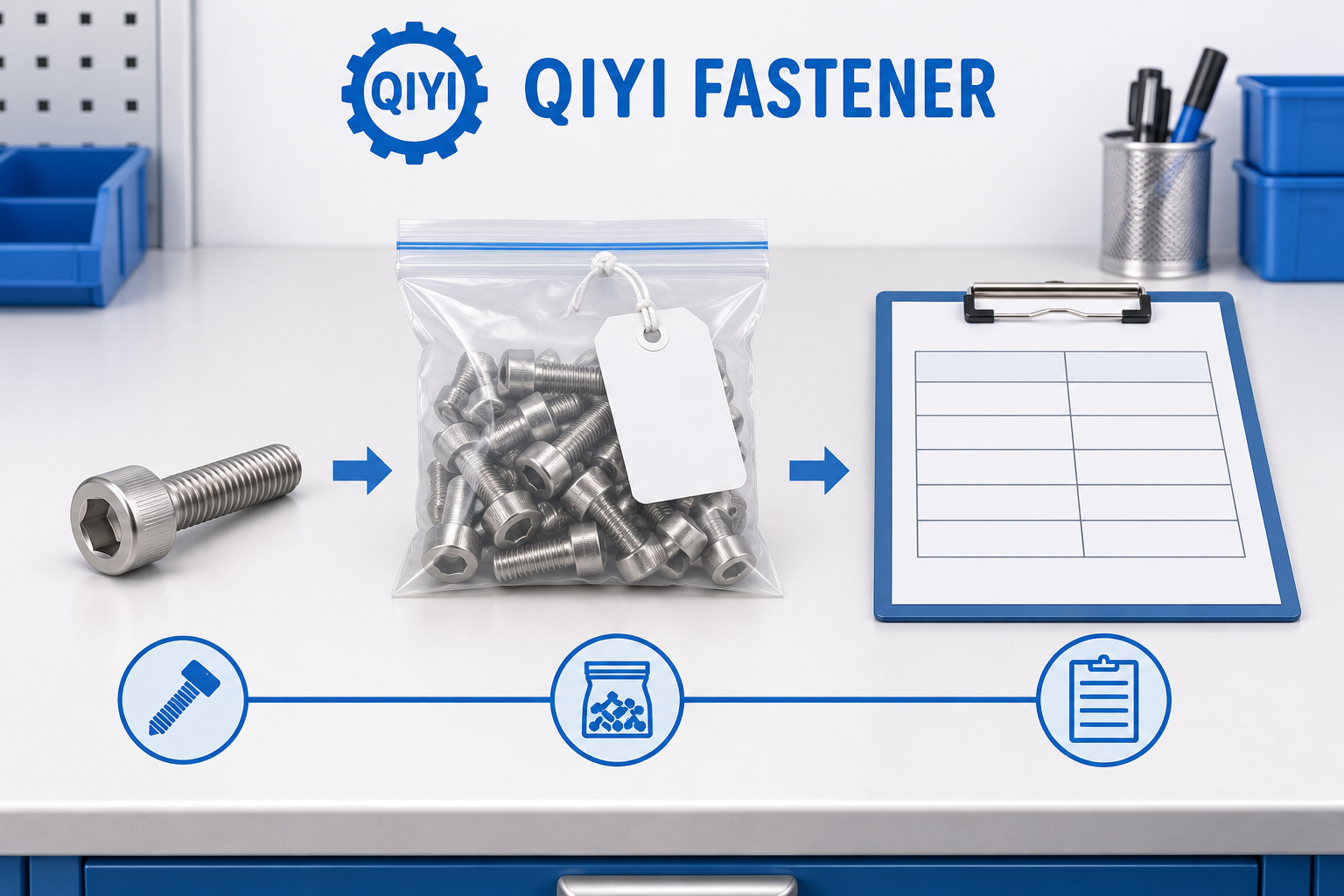
Ask to see how lot identification survives packing
Lot traceability is useful when a buyer can connect the delivered package to the applicable order line and agreed records. Define what the label needs to show. Depending on the purchase, it might include part number and revision, supplier lot, quantity and order reference. If sublots or material heats must remain separate, state that before a supplier combines or repacks goods.
Agree which documents must accompany each lot. A statement of conformity, inspection results and a material report answer different questions. If the order needs all of them, ask how each document is identified and which lot it covers. If a document uses a different identifier, ask the supplier for the mapping between it and the shipment. A neat file of records adds little value if none can be matched to the carton the receiving team is opening.
Compare suppliers on one controlled request
When possible, ask a shortlisted supplier to show a redacted label and an example release record. Follow one identifier across the two documents. This is a rehearsal for the receiving team. It also lets the supplier explain whether the code represents a finished lot, an earlier processing batch, or a packing run. Resolve any gap before agreeing to the label format.
Give each supplier the same due date, drawing revision, sample plan, estimated quantities and documentation list. Leave a space for proposed deviations, separate costs for tooling and setup, and require assumptions on repeating batches. Compare capability, inspection coverage, calendar, and total quoted scope before selecting by piece price. A brief sample or check plan can be more revealing than a broad category list when evaluating a new supplier.
For catalog and noncatalog fastener inquiries, share the drawing and ask what QIYI can quote for the specific part. The QIYI threaded insert catalog illustrates the part-level starting point. State quantity, delivery requirements, inspection scope and record needs with the request. Confirm feasible dimensions, production method, documentation and commercial terms for your design.