When a maintenance planner in Chicago named Lena Ortiz encountered a repeated hose-support failure on a packaging line, she replaced the visible connector and watched the bracket twist out of alignment during restart. The reversal came after a closer check: the part itself was not the only issue. A mechanical rod connection had been treated like a generic threaded adapter, while the hose interface had never been verified for thread form, seal style, or service condition.
How do you select a threaded rod connector?
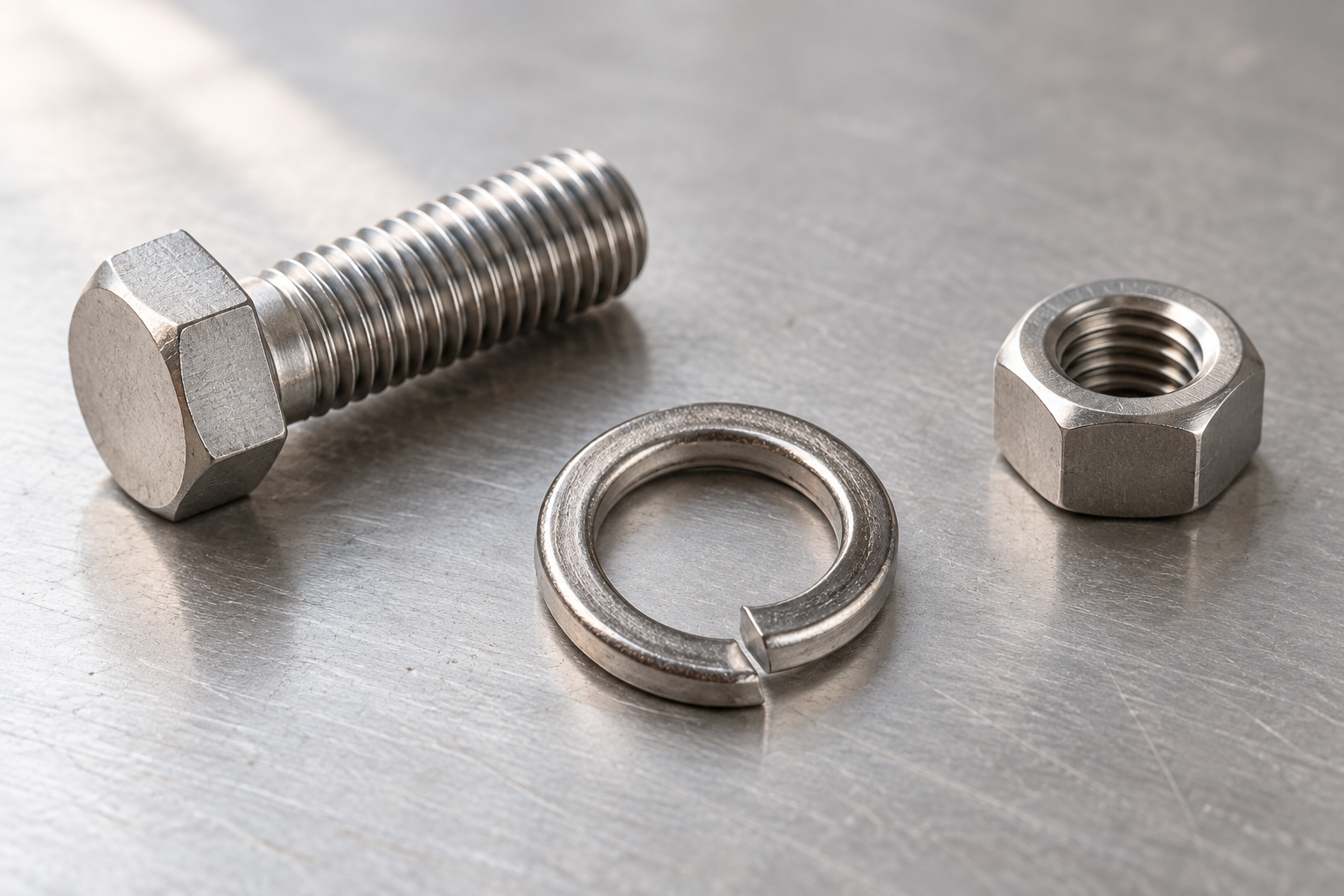
A threaded rod connector joins, extends, or adjusts threaded rods in a mechanical assembly. Its first job is to maintain alignment and transmit load through sufficient engagement. A connector that appears to screw on can still be wrong if the pitch is mismatched, the rod grade is unsuitable, or the installed engagement is too short.
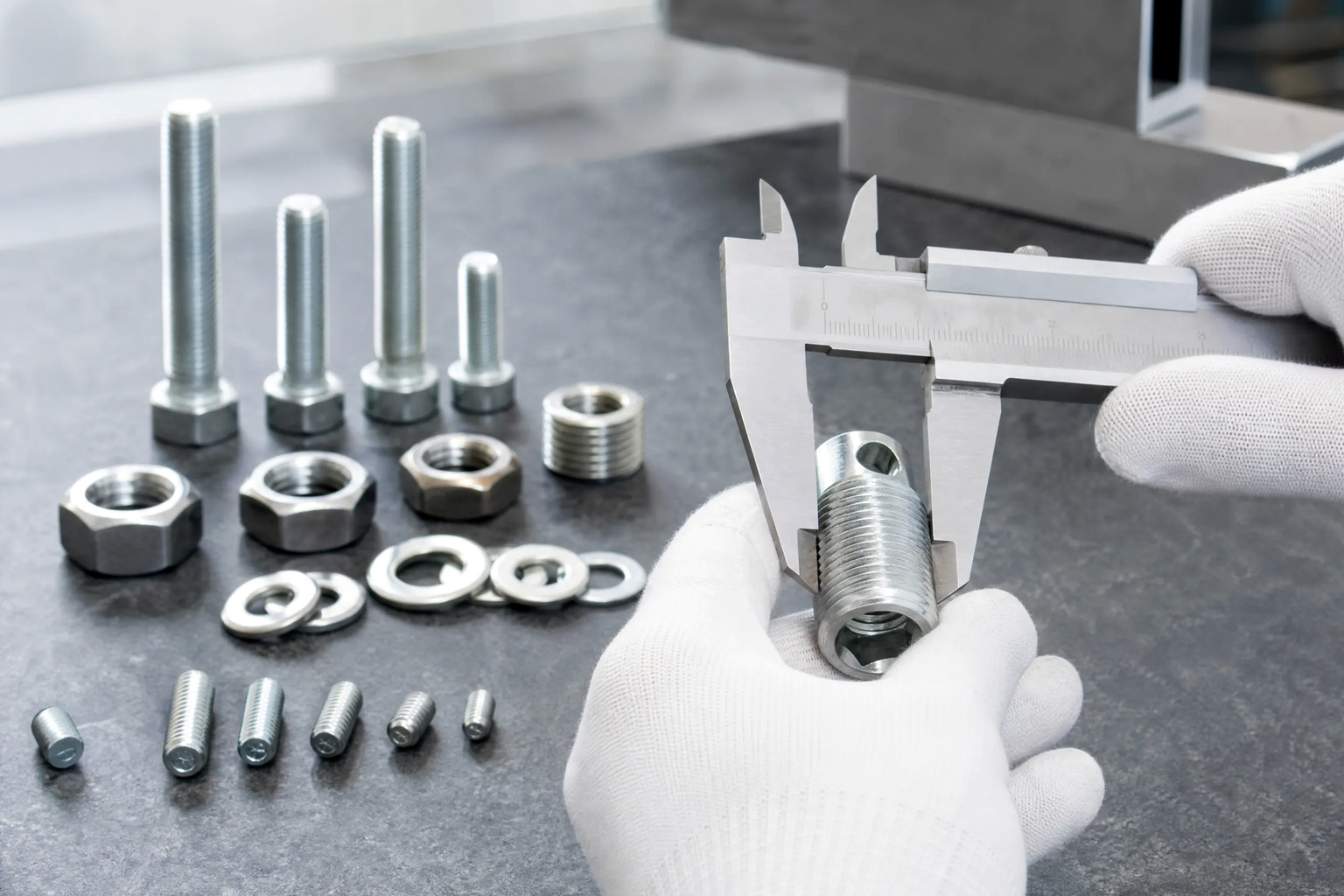
Procurement teams should ask for the complete thread callout instead of relying on a trade name. A 3/8-inch Unified thread and a metric M10 thread can look similar during receiving but damage each other in assembly. ASME B1.1 defines Unified inch screw threads by size, pitch series, and class of fit; a go/no-go thread gauge, controlled mating sample, or approved drawing check should be part of incoming inspection.
Thread engagement is also a cost control. If an assembler must force the part, chase damaged threads, or compensate for misalignment, the low unit price disappears into labor and downtime. NASA’s Fastener Design Manual treats threaded joints as systems of preload, stiffness, engagement, material, and installation method.
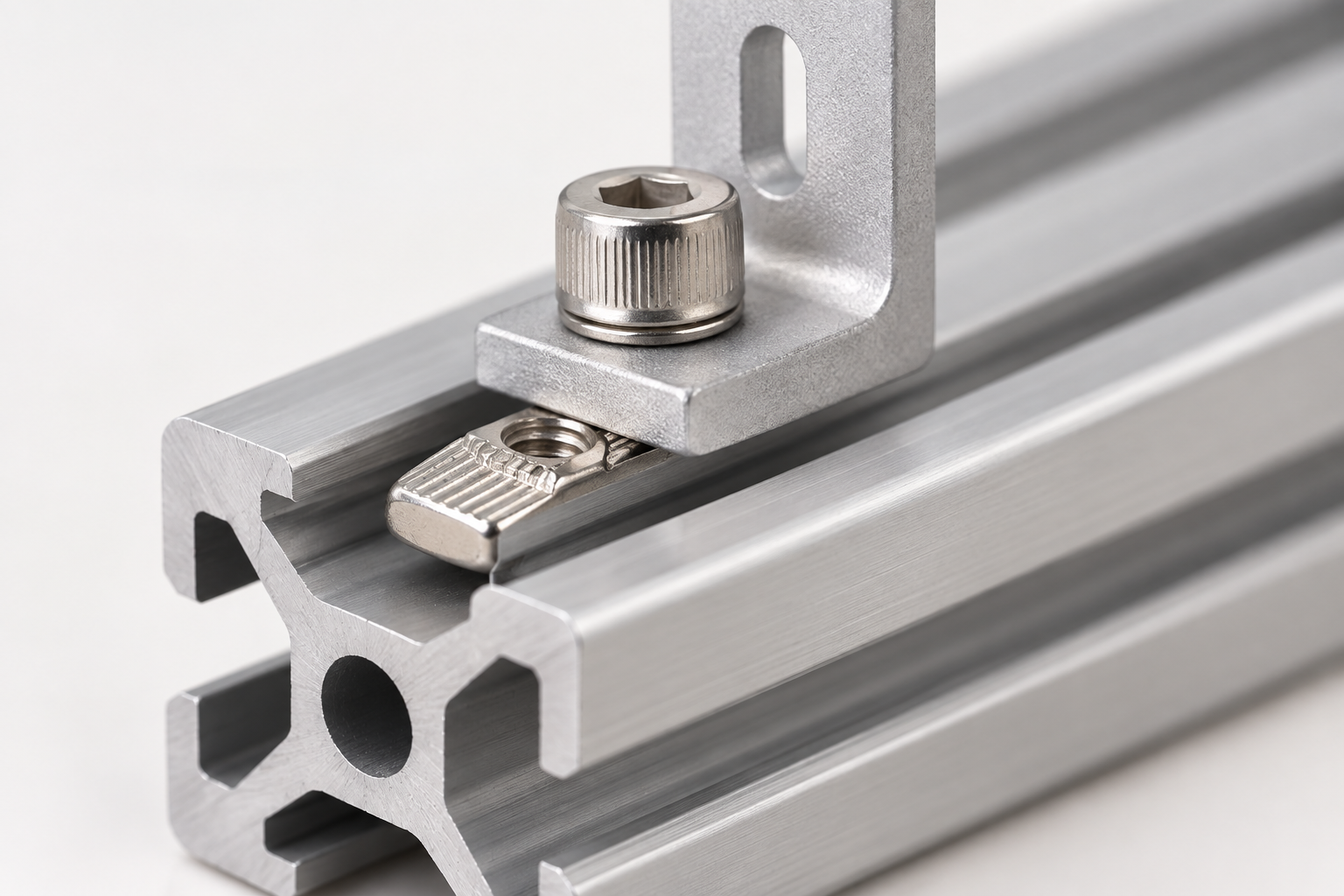
For aluminium profile frames, guards, fixtures, and machine accessories, the Qiyi Fastener threaded rod connector page can be used as a mechanical product reference. It is not proof that a mechanical connector is suitable for hose, fluid, hydraulic, pneumatic, or pressure-retaining service.
How do you verify a male to female hose connector?
A male to female hose connector adapts a male-threaded side to a female-threaded side, but that description does not identify the sealing system. The actual seal may come from tapered threads, an O-ring, a face seal, a flare, a bonded washer, a gasket, or a hose-end design specified by the manufacturer.
ASME B1.20.1 covers general-purpose inch pipe threads, including taper-thread geometry used in many pipe-thread connections. ASME B1.1 covers Unified screw threads, which are not automatically sealing threads. SAE J516 gives a more relevant frame for hydraulic hose-end selection than a generic screw-thread standard.
Pressure, temperature, medium, and movement matter as much as thread naming. A washdown line, air line, drain, and hydraulic circuit may all use threaded-looking parts, but the leak consequences differ. For any male to female hose connector, request the stated pressure range, compatible media, temperature limits, assembly instructions, and inspection method.
| Decision area | Threaded rod or mechanical connector | Hose connector or adapter | Commercial consequence |
|---|---|---|---|
| Primary function | Alignment, adjustment, spacing, or mechanical load transfer | Connection between hose, fitting, port, or accessory in a fluid path | Prevents category substitution during purchasing |
| Critical dimensions | Diameter, pitch, engagement length, straightness, material grade | Thread standard, seal style, seat angle, port depth, wrench clearance | Reduces returns caused by parts that fit only partially |
| Verification method | Drawing review, thread gauge, controlled mating check, trial assembly | Manufacturer data, assembly procedure, leak or proof test where specified | Creates usable quality evidence before installation |
How do you check a female to male hose connector?
A female to male hose connector is often purchased to bridge two components that were not designed as a pair. That can be legitimate, but the adapter creates two interfaces. The female side must accept the incoming male thread and seal correctly; the male side must match the receiving port or fitting without bottoming out or damaging the seat.
The fastest useful inspection is a two-sided interface review. Record the thread form, nominal size, pitch or threads per inch, seat type, seal material, torque method, and installation space for both ends. If the assembly uses hydraulic hose fittings, reference the fitting manufacturer’s instructions and the relevant SAE J516 style.
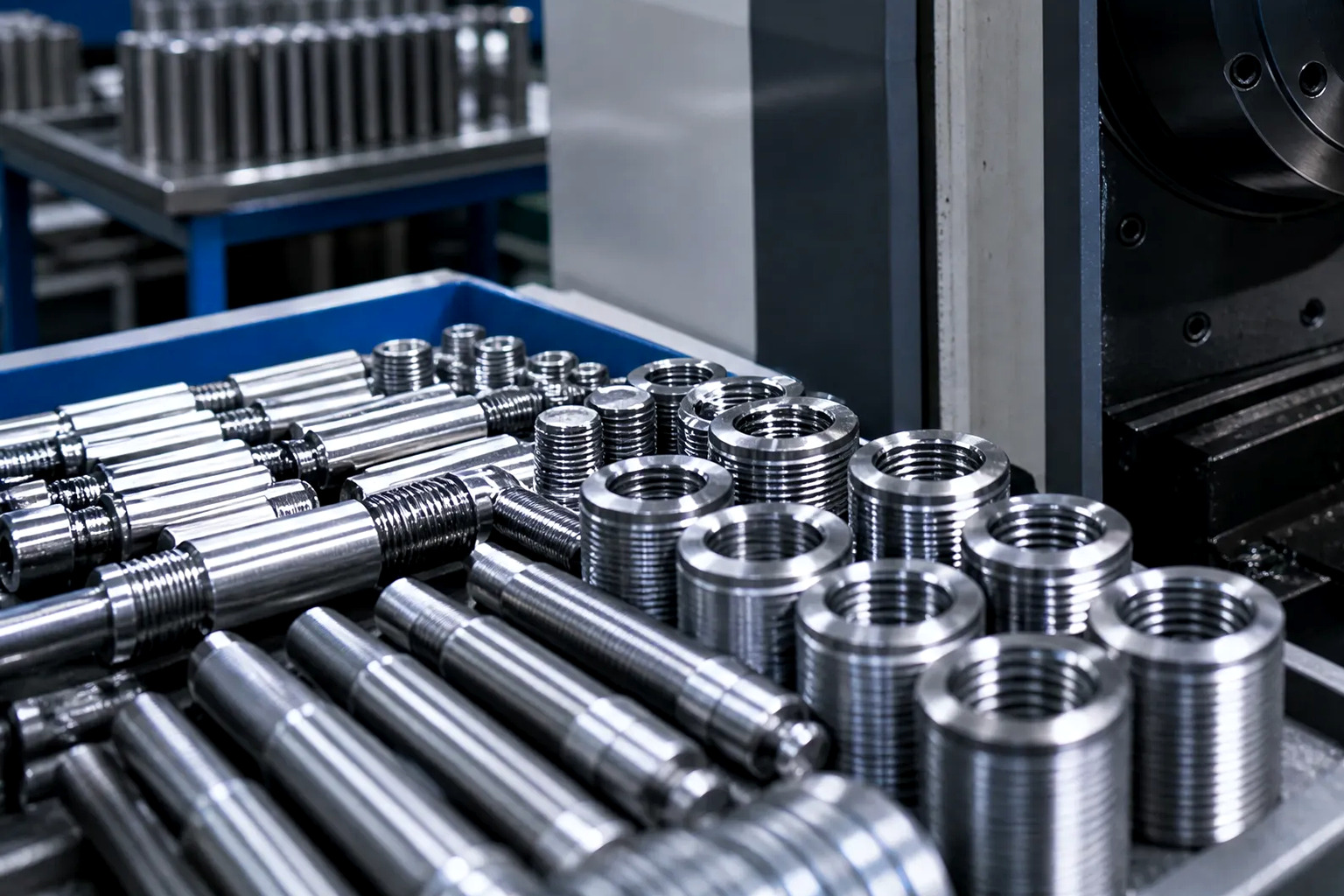
An illustrative cost example shows why the check pays for itself. If a team spends 20 minutes diagnosing a leaking adapter, 15 minutes finding an alternate fitting, and 20 minutes retesting the line, labor can exceed the connector cost many times over. The same logic applies to a female to male hose connector in a kitted assembly.
Where a frame uses rods, brackets, and aluminium-profile hardware near a hose run, keep the bill of materials explicit. Link the mechanical item to the frame drawing and the hose adapter to the hose or port specification. Buyers can compare related Qiyi Fastener fastening products, while fluid-service adapters remain tied to their own pressure and compatibility documentation.
Which standards apply to a threaded rod connector?
Standards help only when their scope is respected. ASME B1.1 is a thread-form standard for Unified inch screw threads, not a finished-product certification. ASME B1.20.1 covers general-purpose inch pipe threads, not every assembled pressure joint. SAE J516 is relevant to hydraulic hose fittings, but the finished assembly still depends on hose, fitting, crimp, installation, and inspection.
For a mechanical threaded rod connector, specify material, coating, thread designation, engagement, mating part, and inspection method. For a male to female hose connector, specify both thread ends, seal type, pressure range, temperature range, medium compatibility, and any proof-test requirement. For a female to male hose connector, require the same information for both sides.
| Application | Minimum data to record | Useful verification | Do not infer |
|---|---|---|---|
| Rod extension or mechanical adjustment | Thread callout, rod grade, engagement length, alignment condition | Thread gauge, drawing match, hand-start trial, torque instruction | Pressure suitability or hose-service approval |
| Male-to-female hose adaptation | Male end standard, female end standard, seal style, pressure and medium | Supplier data sheet, assembly instruction, leak or proof test if required | That thread engagement alone makes a sealed joint |
| Female-to-male hose adaptation | Both mating components, port depth, seat geometry, seal material | Two-sided fit check, manufacturer approval, service-condition review | That a visual match confirms compatibility |
The compliance risk is mainly a claim risk. If a seller describes a mechanical connector as pressure-rated without supporting data, the buyer may rely on a claim the product was never designed to meet. Better purchasing language names the function first, then the standard, then the acceptance evidence.
How should you source a male to female hose connector?
Qiyi Fastener is most relevant when the buyer needs mechanical fastener support for aluminium profile connectors, threaded hardware, and related industrial components. The TC-31-12-40 threaded connector can be reviewed against the drawing, slot system, rod size, and installation access. That review is mechanical, not a hose pressure qualification.
For hose work, treat each male to female hose connector or female to male hose connector as an adapter requiring its own documentation. Ask for a data sheet, material statement, seal information, pressure and temperature limits, and compatibility with the hose, port, and medium.
For mechanical purchases, send a concise package: drawing, thread callout, material or coating, quantity, inspection criteria, and target application. Qiyi Fastener can then discuss fit and production feasibility without blurring the boundary between a threaded rod connector and a hose fitting.
Frequently Asked Questions
What is a threaded rod connector?
A threaded rod connector is a mechanical component used to join or extend threaded rods with matching thread forms. Select it by diameter, pitch, material, engagement length, alignment, and load path; it is not automatically a hose fitting or pressure-retaining component.
What is a male thread?
A male thread is the external thread on a rod, screw, nipple, or adapter. It is designed to mate with a compatible female thread, but compatibility still requires pitch, thread form, class of fit, seal design, and material review.
What is a female thread?
A female thread is the internal thread inside a nut, coupling, port, fitting, or connector body. It receives a matching male thread and may provide mechanical engagement, sealing support, or both; for hose interfaces, confirm the actual sealing element.
What is a male-to-female connector?
A male-to-female connector has a male-threaded side and a female-threaded side. A male to female hose connector should still be checked for the exact thread standard, seal style, pressure range, medium, and temperature; the phrase describes geometry, not service suitability.
Can these connectors extend a hose?
Some hose adapters can be used as part of a hose extension, but only when the hose, fitting, seal, pressure, temperature, and medium are compatible. A mechanical rod coupler should not be repurposed to extend a hose; use the hose and fitting manufacturer’s assembly instructions.
Can one adapter connect different thread sizes?
Yes, a reducing or adapting fitting can connect different thread sizes when both sides are specified correctly. A female to male hose connector may adapt size, gender, or thread family, but each side must match its mating component and sealing method.
References
- NASA RP-1228, Fastener Design Manual – fastener joint design guidance covering preload, torque, engagement, and joint behavior.
- ASME B1.20.1, Pipe Threads, General Purpose, Inch – scope reference for general-purpose inch pipe threads.
- ASME B1.1, Unified Inch Screw Threads – scope reference for Unified inch screw thread form.
- SAE J516, Hydraulic Hose Fittings – industry reference for hydraulic hose fitting types and requirements.
Good connector sourcing starts by naming the interface, not just the part. For mechanical profile hardware, rod connection, or threaded component sourcing, review Qiyi Fastener’s threaded connector specification guide and send drawings or samples through Qiyi Fastener contact so the discussion stays focused on fit, function, and evidence.