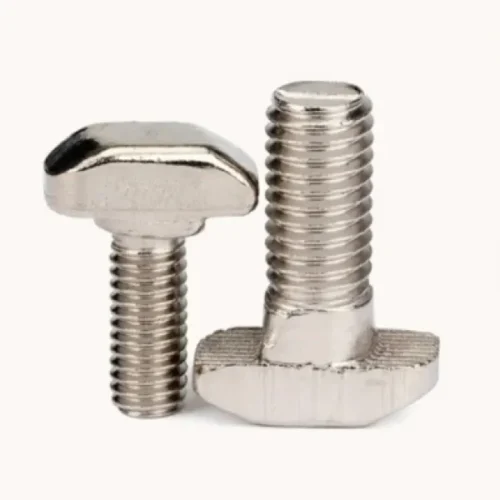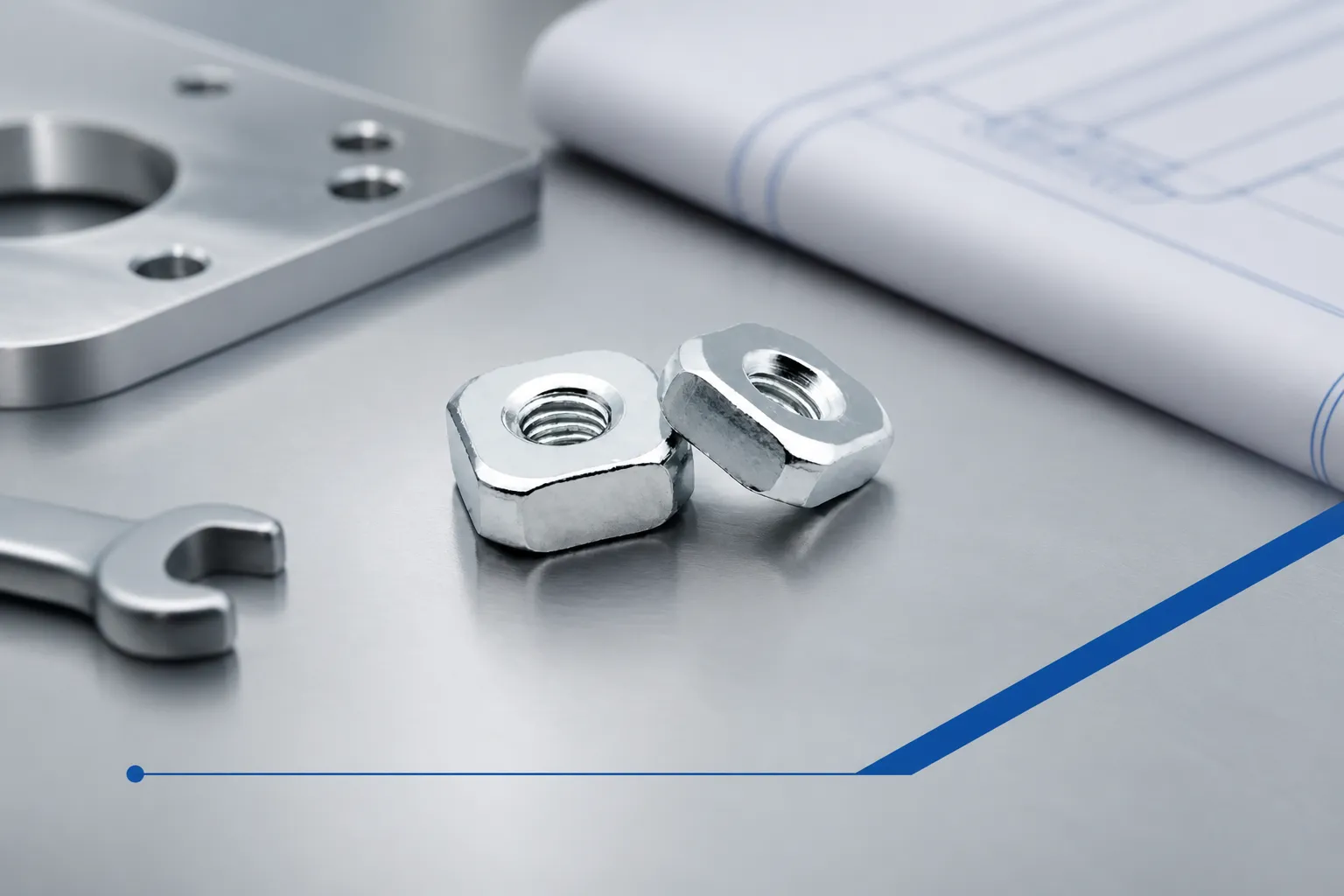
Finding a mushroom-headed bolt can be irritating. It can even affect the overall success of your effort, so if you have encountered one, do not worry! This guide will give you all the necessary tools to fix your mushroom-headed bolt and to help you get back on track. Whether you have just a mushroom-head bolt or another type, this guide will provide information about how to fix this particular issue.
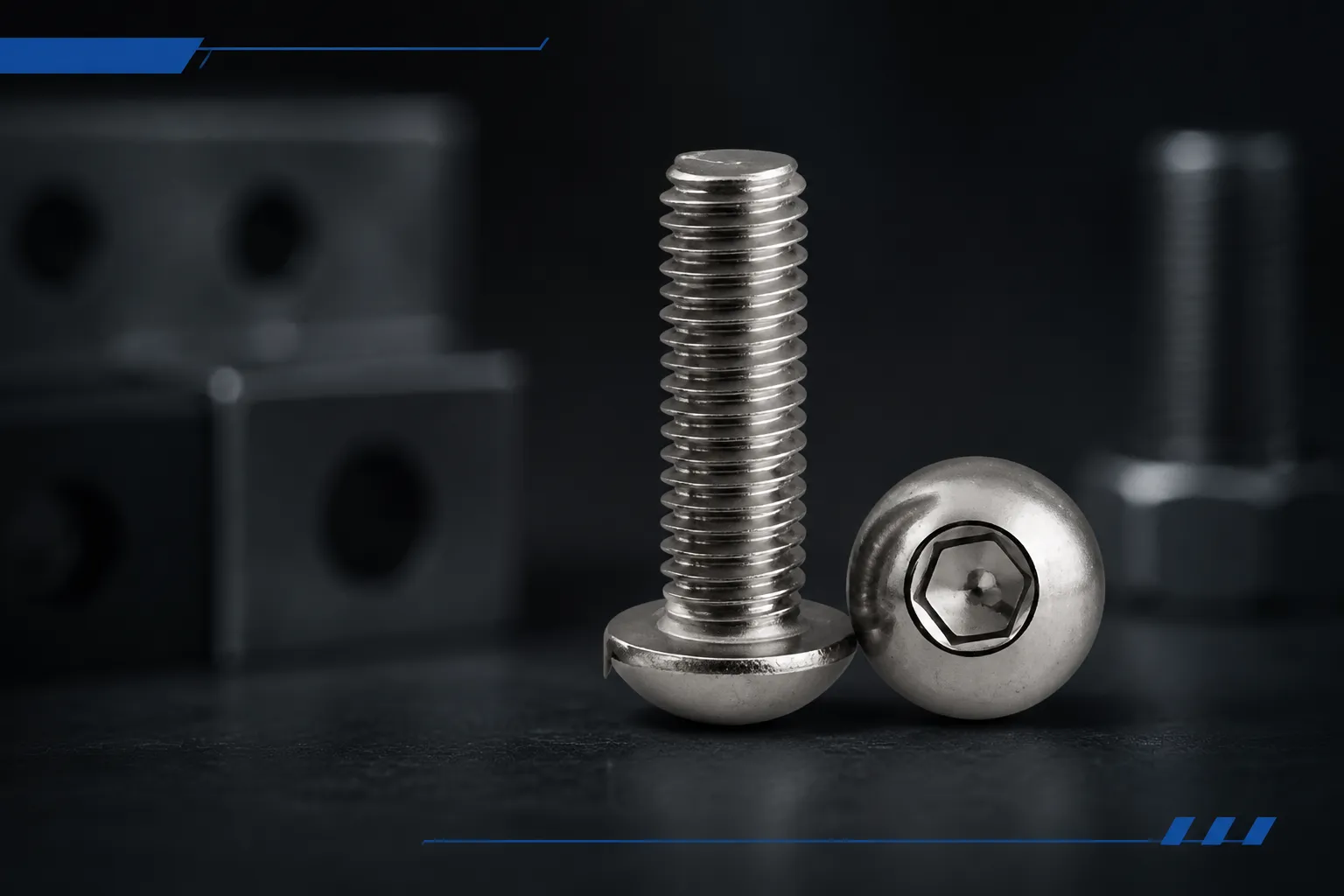
Understanding Mushrooming in Bolts
A mushroom fastener/bolt refers to a fastener with a dome-shaped protrusion on its head, typically caused by excessive tightening and/or excessive force used while removing (taking) a fastener. Because of the deformation of the fastener, regular tools will not work to engage the bolt, causing great frustration to mechanics and do-it-yourselfers. Knowing how to repair the fastener issue can save both time and money.
Tools and Materials Needed
Before we start the repairing process ensure you have these tools/materials available.
– Hammer
– Chisel or a flathead screwdriver
– Socket wrench or pliers
– Penetrating oil (e.g., WD-40)
– Replacement bolt (optional)
– Safety goggles
Steps to Fix a Mushroomed Bolt
The following steps outline how to effectively restore the functionality of a mushroomed bolt:
1. Assess the SituationTouching on damaged bolts from use, you’ll first want to identify if there is any mushrooming. Depending on how minor or extensive the mushrooming is, you may find the bolt salvageable, but if there appears to be too much damage, it’s likely better just to get a new one.
2. Apply Penetrating OilPerseveringly coat the bolt in liberal amounts of penetrating oil and wait about fifteen minutes for the penetrating oil to penetrate enough to help loosen any rust or dirt that may be binding the bolt.
3. Use a Chisel or Flathead ScrewdriverTo help relieve the corrosion from the bolt, gently strike the edges of the mushroom-head with your chisel or flat-blade screwdriver. Doing this will damage (weaken) the connection that is made between the rust and the bolt itself.
4. Hammer It DownWith a hammer, softly hit the damaged area on the head of the bolt. Be careful when hitting it too hard; hitting it that’s hard could break it away from the head completely. The idea is that you’ll reshape the head instead of breaking it off.
5. Grip and TurnAfter having recontoured the head into a usable shape, take your socket wrench or pliers and use them to grip the head of the bolt tightly, then use a wrench to turn the bolt head (turn it counterclockwise). If it does not turn, put more penetrating oil on it and re-attempt the hammering procedure.
6. Consider ReplacementIn case the bolt doesn’t budge and all of your efforts to repair it aren’t successful, you can try drilling it out or removing it with a bolt extractor kit. Also, make sure to keep a spare bolt on hand so that you can continue working on your project without any delays.
Preventing Future Mushrooming
Once you’ve successfully addressed your mushroomed bolt, consider these preventive measures:
- – Always check the torque specifications specific to the material you are working with.
- – Avoid using excessive force when removing bolts. Utilize the correct tools and techniques.
- – Store your bolts in a dry environment to minimize rust buildup.
FAQs
How to Fix a Mushroomed Bolt?
The above steps are a good method for fixing a mushroomed bolt. If not successful, replace with a new one.
Can I prevent my bolts from mushrooming?
Yes! Following proper torque specs and using proper tool types will greatly reduce the chance of mishaps.
When should I consider replacing a bolt?
When a bolt has been excessively mushroomed or damaged, it will likely require a replacement in order to avoid complications going further into your project.
What if my mushroomed bolt is fully stuck?
Applying heat can be beneficial in freeing up stuck bolts. A quick application of heat from a handheld torch to the bolt may cause the metal to expand and give enough looseness to the bolt to permit removal. When using heat, you must exercise caution and wear appropriate protective equipment!
Can rust cause mushrooming in bolts?
Certainly, rust is responsible for bolt mushrooming. Corroded bolts are weak and can deform when tightened and loosened under additional load or pressure. To minimize corrosion buildup on bolts, it is advised to use an anti-corrosion spray when they are stored in a dry location.
Are certain bolt materials less likely to mushroom?
In addition, stronger materials, specifically in this case stainless steel and tempered alloys are going to be less susceptible to developing a mushroom effect as opposed to softer materials like aluminum. Additionally, selecting high-quality bolts will also decrease the chances of deformity.
Should I consult a professional to fix a mushroomed bolt?
A qualified expert will have the appropriate tools, solutions, and assistance to remove the bolt if it is critical to your safety, integrity of your structure, or if you cannot remove it after several tries with standard tools.
Fixing a Mushroom Bolt is easier than you might think! By following these steps and having some basic tools, you can repair your project and make it work again without spending too much money. Always remember to practice preventative maintenance to help avoid this type of problem in the future.