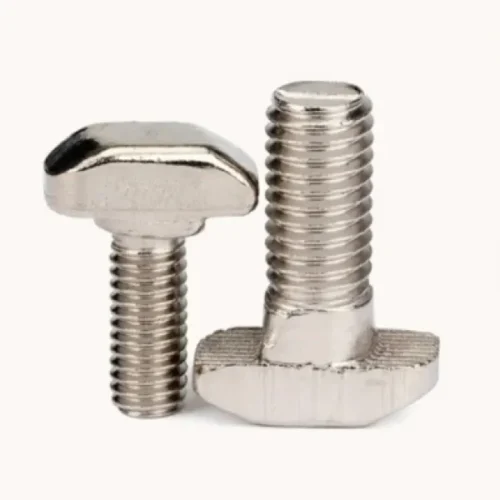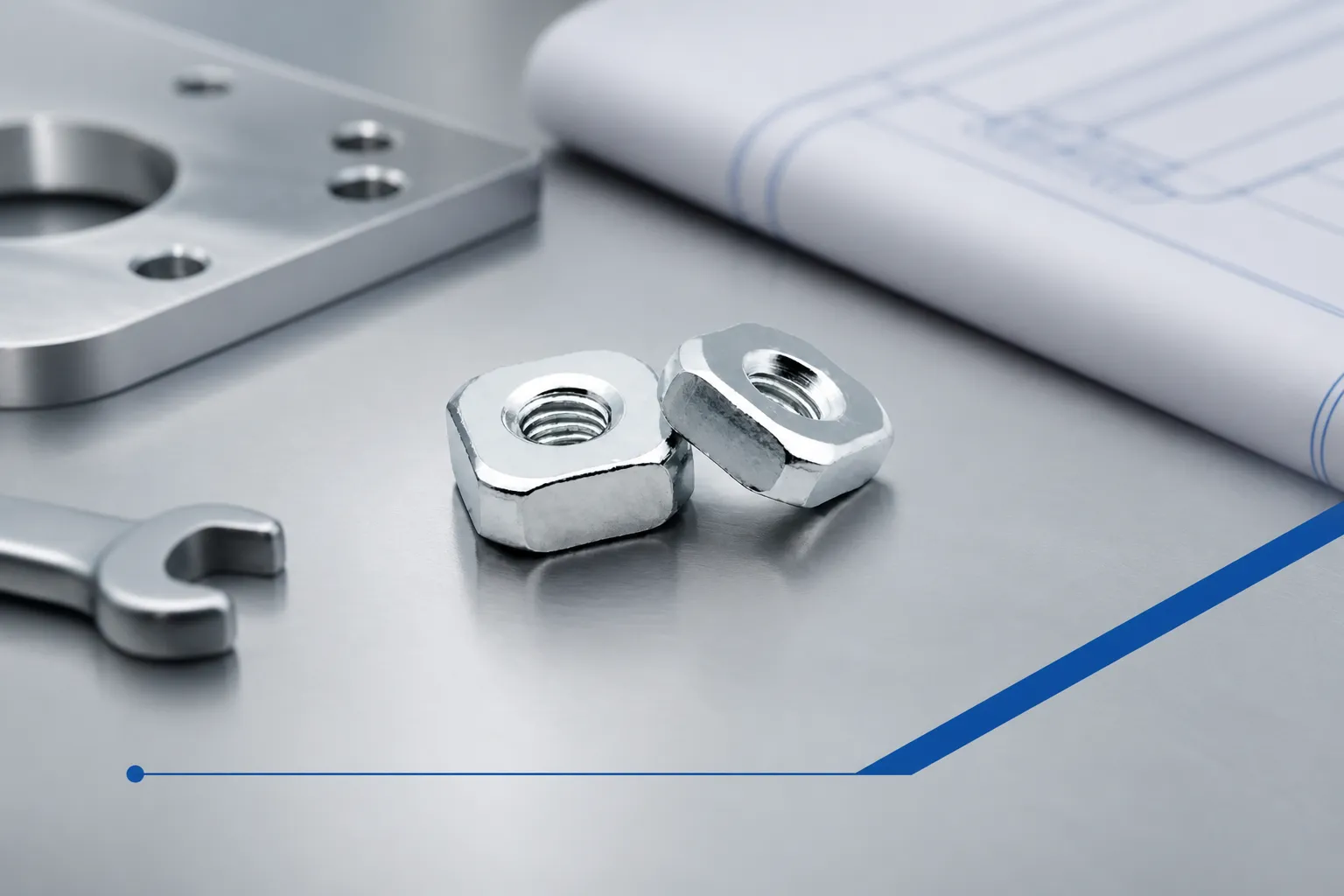
Different types of screws made from stainless steel are widely used because of their strength and ability to withstand corrosion; however, these screws will accumulate dirt, grime, and tarnish over time, which will affect how they look and operate. Learning to properly clean stainless steel screws will prevent them from deteriorating, which will help maintain both their function and appearance and increase their life span. In this article, I will discuss ways to clean stainless steel screws; the importance of cleaning screws; and types of stainless steel screws.
Why Clean Stainless Steel Screws
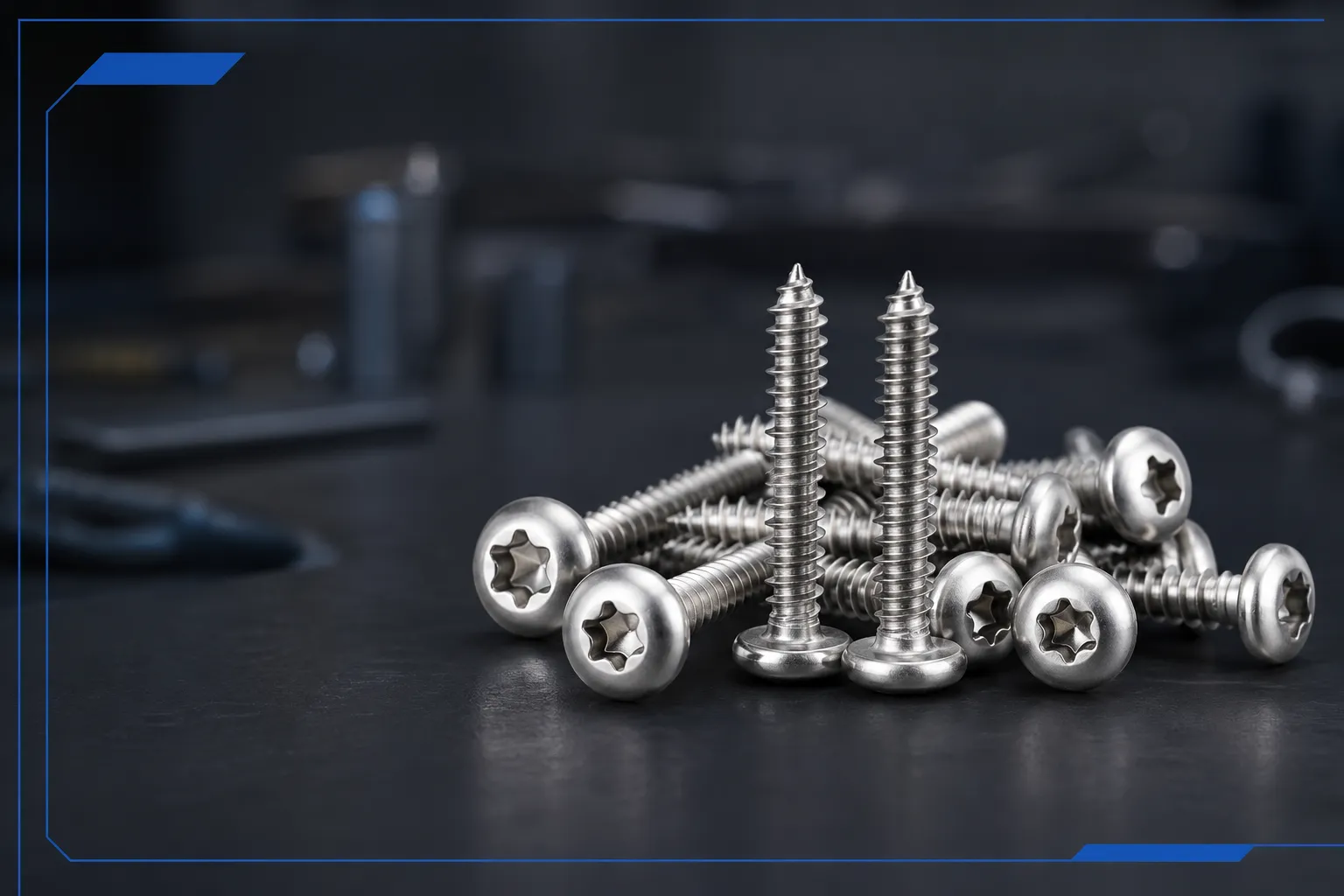
Many different reasons exist for cleaning stainless steel screws; however, the most important reasons are those listed here. First on this list is that you want to maintain cleanliness on all of your screws after installation. If the screw will be visible after you have installed it, then having clean screws can help ensure a professional appearance and polished look to your completed job. A second reason for cleaning stainless steel screws is that dirt and debris cause rusting and/or corrosion not because the steel itself is not stainless (which it is) but possibly because either chemicals or environmental conditions cause discolouration of the screw. The third reason to keep your stainless steel screws clean is to eventually get optimal performance out of your screws, specifically in mechanical applications where tightness and friction matter.
Types of Stainless Steel Screws
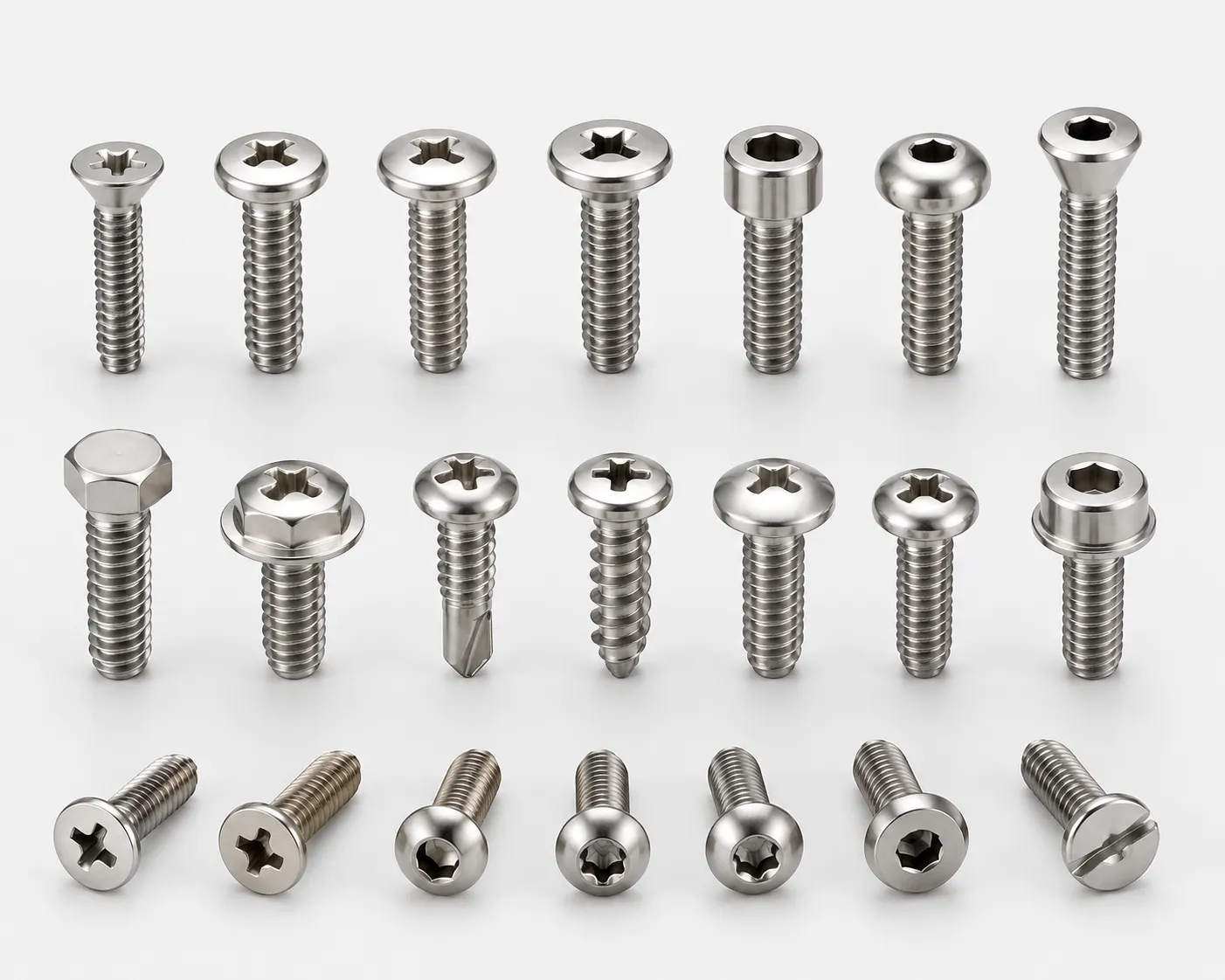
When using screws made from the different types of stainless steel, 304 and 316, you will find that both 304 and 316 stainless steels are used as the most common types of stainless steel screws. Type 304 stainless steel screw is great for a variety of applications because it has corrosion resistance and is less expensive. Type 316 stainless steel screw provides even better corrosion resistance than 304 and is especially ideal for marine environments. In addition, there are other types of stainless steel screws, such as those used in wood applications, which have been made specially for wood and carpentry projects. It’s important to know exactly what you need in order to make the right choice of screw type and cleaning technique.
Methods for Cleaning Stainless Steel Screws
Cleaning stainless steel screw requires very little effort. Here are some ways to do so.
The easiest method for cleaning is with a solution of warm water and a little bit of dish soap (about one tablespoon). You will need to soak your screws in this solution for around half an hour. After soaking your screws for 30 minutes, gently scrub them using a soft toothbrush or another type of brush to remove all dirt and rust.
Vinegar Solution: Vinegar can also help remove more persistent stains. Use equal parts white vinegar and water mixed together to create the solution; soak the screws in it for 10–15 minutes, use a soft scrubbing brush to clean them, and then rinse off with clean water after removing them from the solution. The acidity of vinegar helps to break down residue from corroded materials.
Baking soda paste: Make a paste with baking soda and water for heavily tarnished screws. Cover the screws with the paste, and allow it to sit for several minutes. After that, scrub the screws with a soft-bristled brush, then rinse them off using clear water. The mildly abrasive quality of the baking soda will safely remove the tarnish without harming the underlying surface.
Commercial Cleaners: Many commercial cleaning products are formulated specifically for cleaning stainless steel, and because they are industrial-strength cleaners, usually require very little effort to bring back the shine to your stainless steel screws. Always read and follow the manufacturer’s directions.
FAQs
Are abrasive materials okay for cleaning Stainless Steel Screws?
Abrasive materials should not be used to clean Stainless Steel Screws because they will leave scratches on the surface and result in increased corrosion later on.
How Often do I Need to Clean My Stainless Steel Screws?
The frequency can depend on the application/usage and also on the environment. If your screws are used outdoors or in a marine environment (i.e. saltwater), consider cleaning them every couple (2) of months. If used indoors, cleaning them at least one time per year may be enough to keep them clean.
Do you have to dry stainless steel screws as soon as they have been cleaned?
Dry the screw immediately after cleaning to avoid both the formation of water spots and subsequent tarnishing.
When using metal polish on stainless steel screws, be sure to select a product suited specifically for stainless steel. This will enhance the screw’s appearance and condition while providing lasting protection against corrosion.
Can you get rust from stainless steel screws?
Although stainless steel screws are extremely resistant to rusting, they are not absolutely rustproof. Corroding can occur if the screws are continuously exposed to extreme conditions—e.g., high-salinity coastal air, long exposure to moisture or very corrosive chemicals, etc. Cleaning and maintaining the screws on a regular basis will minimise the chance of corrosion.
Is it possible to utilize oil or lubricants to safeguard stainless-steel screws?
By applying a light film of machine oil or lubricant particularly marketed for stainless-steel applications, screws will be more resistant to moisture, and consequently, increased resistance to corrosion. Any excess oil on the screws should be removed to avoid attracting dirt and dust particles.
Do you think I should take out the stainless steel screws prior to cleaning?
If feasible, it’s best to remove the screws for complete cleaning purposes. If it’s not practical to take out or if the screws are permanently attached in the application, there are still alternatives such as wiping them down with a cloth soaked with vinegar or soap solution.
If you want to clean your stainless steel screws for wood, they will be exposed to resin and debris. While you could just clean them with soap and water, vinegar will help dissolve the resin and debris that may be stuck to the threads of your screws.
It is important to keep your stainless steel screws clean since this will help them function properly as well as maintain their attractive appearance. The cleanliness of your screws will ultimately affect how well they perform, therefore implementing the right ways to clean and take care of the screws will help ensure they continue performing correctly and look good for many years.