Spring clip fasteners are commonly found in numerous different industries as solution for securely storing and fastening two or more components together. There are many different styles of this versatile type of fastening device. The most common types of round, flat and other metal spring clip fasteners. In this article we will describe what a spring clip is, how it is used, and what types of applications it has so that you can have all the knowledge to use this vital component.
What Are Spring Clips?
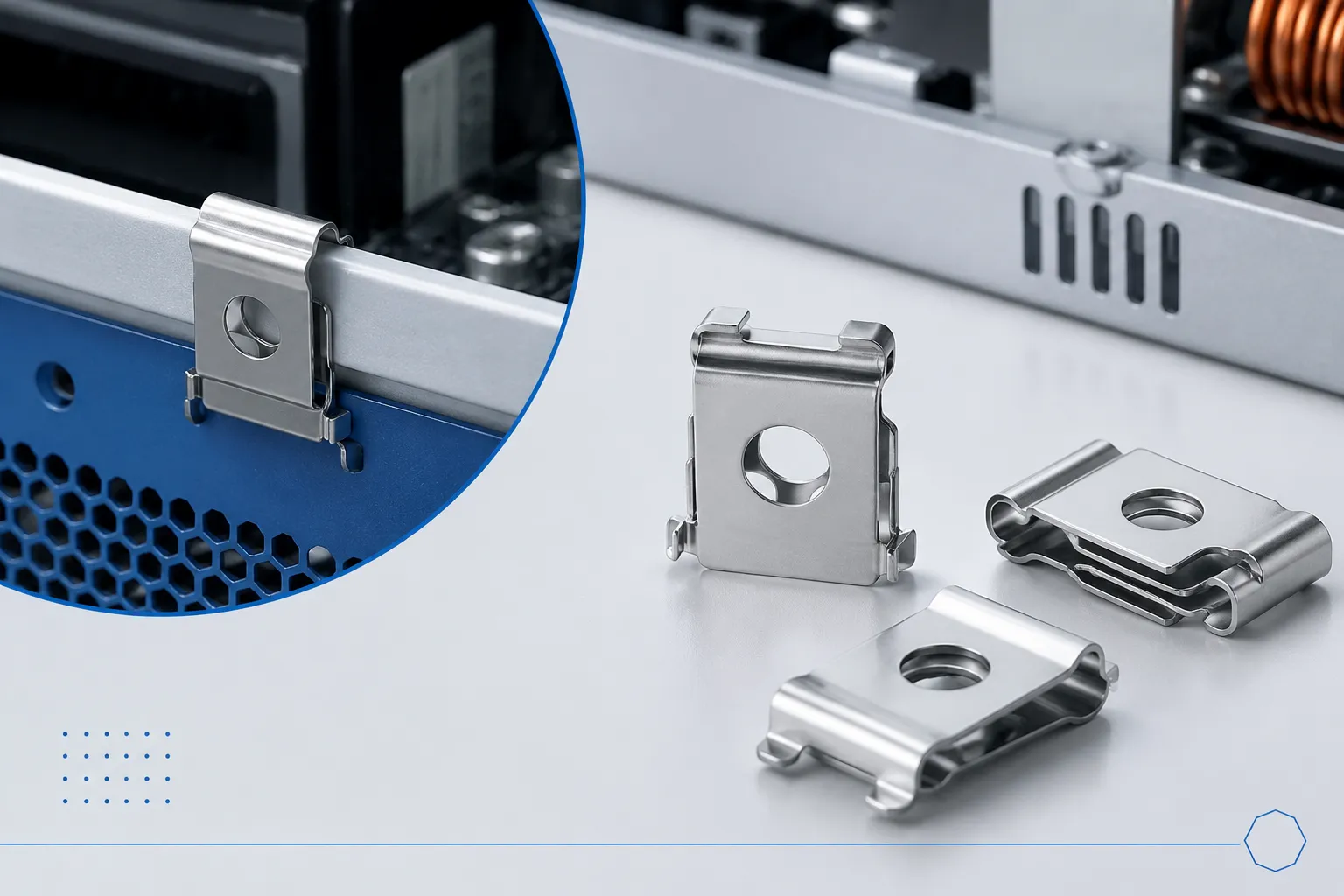
A spring clip (also called a clip) is a fastening device made from materials that have some degree of flexibility (metal and plastic). They are designed to hold together objects in a pressure-fit or snap-fit manner by providing an elastic property or “spring” action, along with strength and resilience. The term “spring clip” describes a group of designs, which include many clips made of spring metal being used as fasteners due to their ability to support stresses without breaking through deformation or breaking.
How Do Spring Clips Work?
The tension principle is used by spring clips to hold things together. When pressure is applied to the spring clip, it will be compressed for a very short period of time and will return back to its original shape after the pressure is removed due to the inherent spring action, which will hold the item(s) securely in place. This is useful when you need to assemble or disassemble items quickly.
Types of Spring Clips Fasteners
The world of spring clips fasteners is quite diverse. Here are some common types:
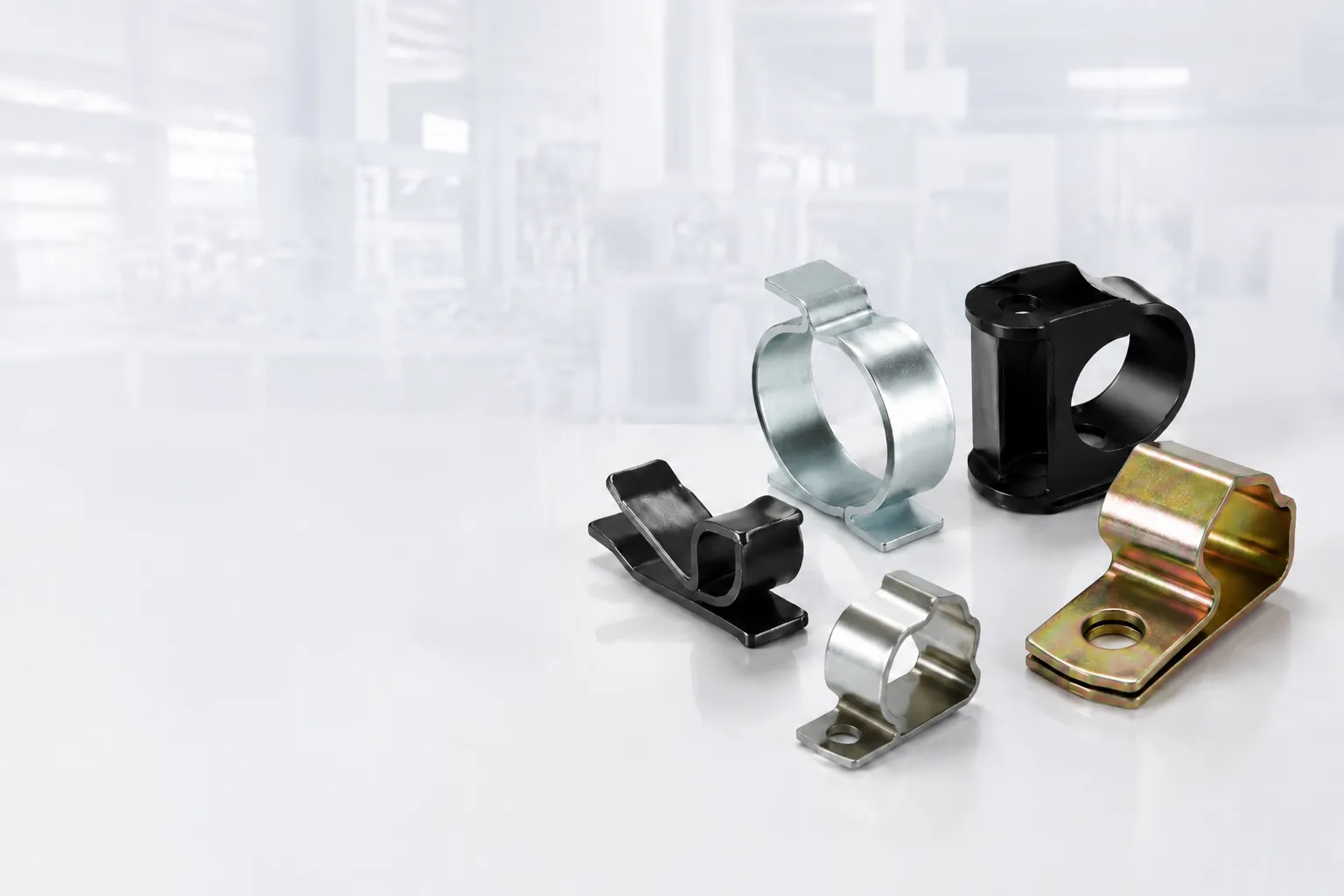
– Circular Metal Spring Clips: Typically utilized in car manufacturing to hold Hoses and parts together. Their shape enables them to conform to various types of circles.
– Flat Spring Clips, also known as ‘Frisbee’ Clips, are a good solution for applications with limited vertical height because they will fit into tight spaces without losing their strength.
– These spring clips provide excellent adaptability for securing items subject to different loading conditions.
The strong material used to make spring steel clip fasteners is suitable for use in elevated stress (high-stress)/high-deformation environments.
Applications of Spring Clips
Spring clips fasteners are versatile and can be used for many different industries and applications, such as automotive, aerospace, electronics, and beyond. Examples of where you will find these fasteners include:
Hoses: Keeping hoses in place in various machinery.
Wiring: Securing cables and wires in electrical applications.
Assemblies: Assisting in the efficient assembly and disassembly of multiple components.
FAQs
What are spring clips called?
Spring clips can be called many different names; depending on how they are designed and what they are used for, they may be called retaining clips, snap rings, or just clips.
How to use spring clip collars?
You can use spring clip collars to hold shafts or rods securely. You only have to slide the collar onto the shaft and press down on it to tighten with the spring’s pressure against the shaft.
How does a push button spring clip work?
A push button spring clip operates using a push action to release the grip on whatever it is holding or to allow easy removal or adjustment of the component being held.
What are spring clips used for?
Spring clips can be utilized in numerous ways to hold parts together, organize wiring ,and facilitate assembly during manufacturing.
To summarise, it’s important to familiarise yourself with the different varieties of spring clips fasteners available; this will help you select the best attachment solution for secure fastening requirements. If you require flat spring clips fasteners for compact applications or heavy duty applications using indestructible spring metal clip fasteners, each type of clip is intended for a specific use. This type of fastener provides manufacturers with efficiency and reliability and is therefore used by many industries throughout the world.