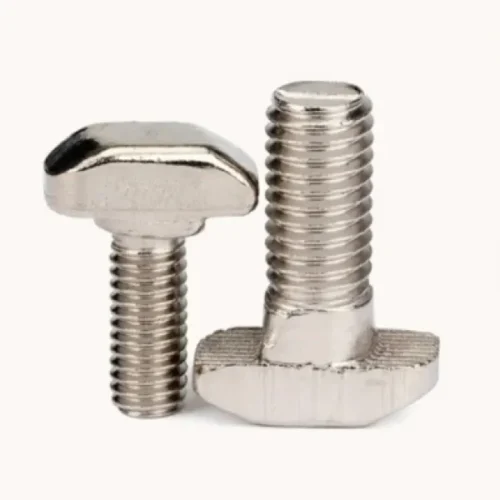
Correctly applying torque to a fastener helps to ensure proper clamping force can be achieved as well as help avoid scary incidents like Over-Tightening and Under-Tightening (Where components fail due to their connection coming apart from lack of torque). With today’s technology it’s easier than ever to determine how much torque has been applied to a fastener. In this article, we will discuss torque values and the types of tools available to measure torque when tightening various types of fasteners, along with answering frequently asked questions on this subject.

What Does Fastener Torque Mean?
Fastener torque or Fastener Torque indicates that the rotational force that is applied to a bolt or nut during tight-hardening is sufficient enough to properly hold components together and provide the necessary amount of clamping force, too little torque will give rise to a loose joint but an excess of torque may cause damage to the fastener, deform the components or lead to major fails. Clamping force must always lie between an upper limit, and a lower limit the acceptable level of clamping force. The range of Torque can only be determined through the specifications that each Fastener Manufacturer provides for their respective products.
Torque values vary by thread pitch, coating and material. Common methods to help ensure that fasteners have the proper torque include using either torque wrenches or more advanced equipment such as Ultrasonic measuring devices to read how much torque was applied to each fastener upon installation, and referencing a standard torque chart such as Fastenal’s and/or metric fastener torque charts.
How Can I Be Sure That Bolts Have Been Torqued To Their Specification?
The best method for having confidence that a bolt or fastener has been over-torqued to the manufacturer’s specifications is through the use of a stand-alone or masters calibrated torque wrench. A step-by-step guide on how-to use a torque wrench correctly:
- Understand the Specifications: Refer to the equipment’s manual, or use a fastener torque chart to get a target torque number.
- Select the Appropriate Tool: Use a torque wrench that is designed for the torque value you want to set. Digital torque wrenches are most accurate.
- Set The Torque Value: Set the torque wrench to the correct value based on the unit of measurement you are using (e.g., Newton-meters (Nm) or foot-pounds (ft-lb).
- Apply Force Gradually: Hold the fastener and turn it in one smooth motion without any jerking; this will prevent over-tightening causing inconsistent torque output.
- Re-check: This can be critical, therefore it’s always best to perform the above for each fastener in an assembly to ensure all fasteners share their load equally.
How To Calculate The Required Torque For A Fastener?
When calculating the required torque for tightening a fastener there are many things you need to consider:
- Type Of Threads And Size: Measure both the diameter and pitch of thread to determine the correct torque value. Should you use a metric fastener torque chart to guide you when working with metric fasteners?
- Material Composition: This will play a role in determining which torque value to use. For example, steel fasteners will generally require different torque values than aluminum or stainless steel fasteners, because different materials react to force differently.
- Coatings / Lubrication: Coatings (such as zinc plating or phosphate coating) and thread lubricants help reduce friction; as a result, the torque required to overcome that friction and properly secure the fastener will need to be adjusted.
- Environmental Conditions: Must also be considered for fasteners exposed to extreme temperatures and/or vibrations.
Fastener torque specifications are generally available from most manufacturers in manuals or on their websites. When you’re unsure of how much torque to apply, these sources should always be your go-to resources.

What are the Implications of Over-Torquing a Fastener?
Using too much torque on a fastener can create problems from minor inconveniences to significant failure:
- Stripped Threads: Stripping/threading a bolt may result in it being unusable.
- Cracked/Deformed Components: Strain/overuse of a fastener may lead to cracking/deforming the fastener, as well as the parts they are fastening together.
- Reduced Fatigue Life: Over-torqued fasteners may have less fatigue resistance and can fail long before the product is used.
- Safety Risks: In critical applications (i.e., automobiles/machinery), over-torquing a fastener poses a safety risk.
When a fastener has been over-torqued, it’s almost always best practice to replace both the fastener itself and any components that may be damaged in order to guarantee performance and safety.
Popular Tools to Ensure Accurate Torque Application to a Fastener
Having the right tools is essential to accurate torque applications. Below are some of the most used types of tools:
Torque Wrenches: The most popular tools for applying specific torque value have been constructed using various methods (i.e., click, digital, and beam systems).
Torque Screwdrivers: Perfect for small fastener applications right down to electronics and medical types of devices.
Hydraulic or Pneumatic Torque Tools: Typically used to fasten components used in heavy-duty applications such as construction or industrial-related items.
Ensure your torque tools are being accurate by frequently calibrating them based on the manufacturer’s recommendations.
Frequently Asked Questions
Q: How do I know that I have properly torqued bolts?
A: Check your work using a calibrated torque wrench and calculate based on either the manufacturer’s specifications or based on a fastener torque chart. This process involves testing and repeating this process to ensure proper connections.
Q: How do you determine which torque to apply to a fastener?
A: Determine the thread size, fastener hardness/length/width/shape, and working environment; this is a good starting point for determining proper torque; standard reference charts are available. Example: metric fastener torque chart.
Q: What happens to a fastener if I over-torqued it?
A: Over-torqued fasteners can result in stripped threads, deformed components, fatigued fasteners, and serious safety concerns. Always replace an over-torqued fastener to minimize future problems with performance or safety.
Properly applying torque to fasteners is a vital component of ensuring assemblies remain safe and reliable for long periods. By following best practice, using the proper tooling, and utilizing reliable resources, like fastener torque charts, you can avoid common errors and achieve optimal results.
As a final point; always apply the correct torque value to fasteners to maintain assembly integrity. You can achieve this through an understanding of the guidance contained within this article, utilizing proper tools, and utilizing reliable resources, such as torque wrenches. This approach will assist in eliminating accidents and material damage, while increasing both the life span of fasteners as well as the systems the fasteners are supporting. If you are ever uncertain how much torque to apply, always refer back to the torque specifications supplied by the manufacturer or a trusted resource, such as a metric fastener torque chart, as these can serve as your guide to correctly assemble your fasteners.