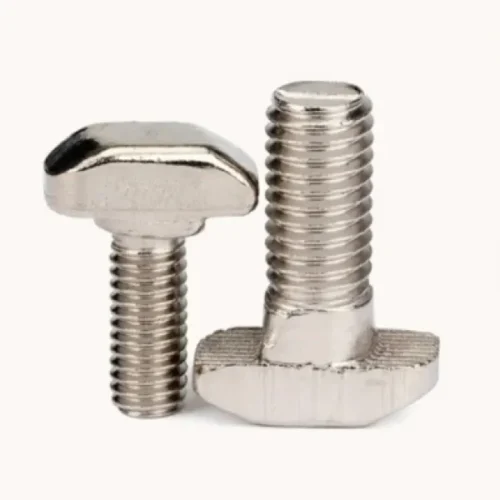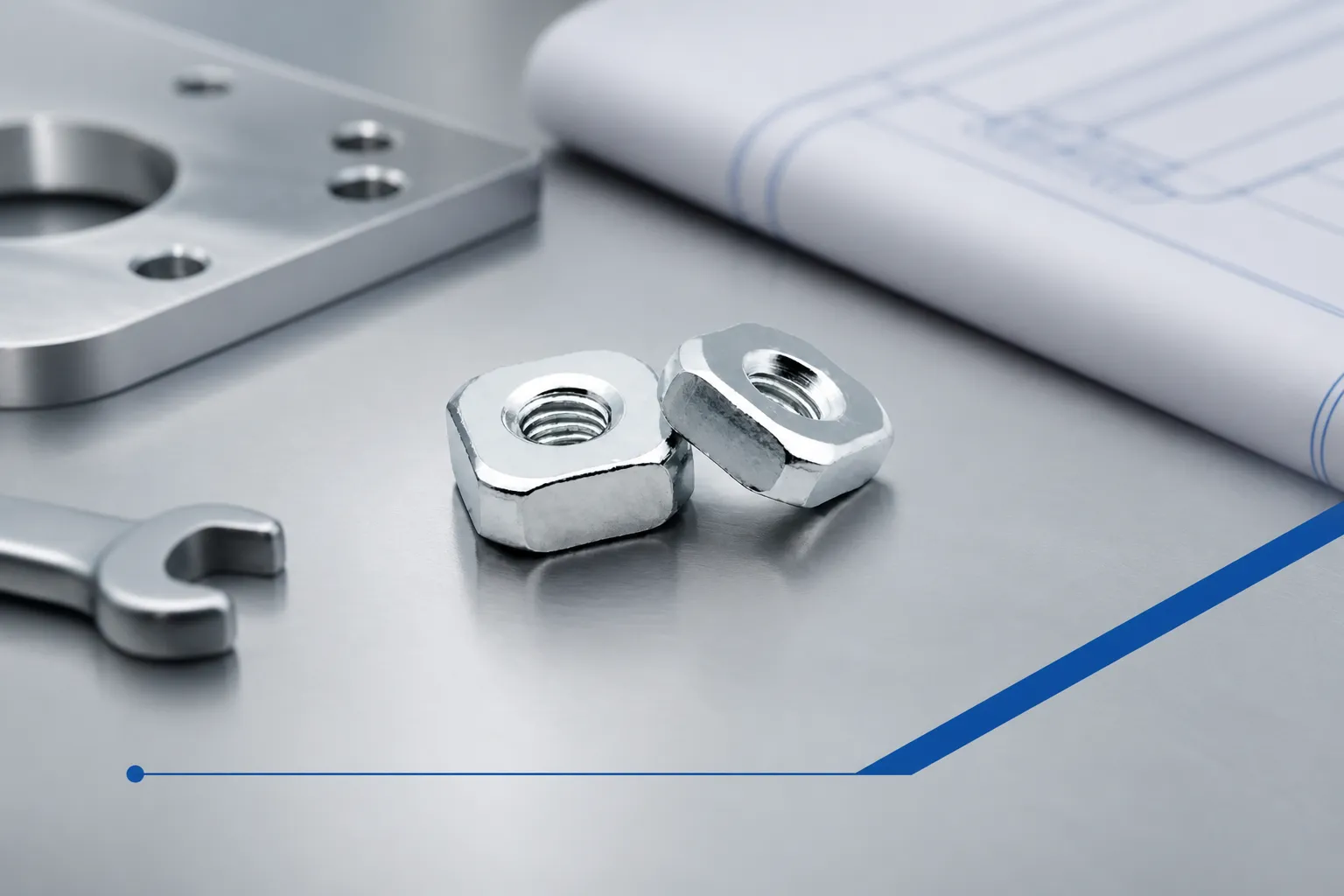
When constructing a reliable structure or assembling machinery, standard fastener use is critical. These tiny, yet incredibly important components hold all your parts together securely, and making sure you have the proper grade of fastener for your specific application will ultimately affect the safety and performance of your finished product. Fastener grades can be utilized in the process of choosing the fastener that will best suit your needs, regardless of whether you are working with automobiles, heavy industry equipment, or repairing your home. This article provides you with the information needed to understand the requirements and ratings used in classifying fasteners according to strength and their potential applications.

Understanding Fastener Strength Grading
Fasteners are classified by the materials used to create the fastener, how they are manufactured, and other performance characteristics such as yield point and tensile strength. Fastener grade ratings are used to determine how much force a fastener can resist without being deformed or failing. Fasteners may experience significant stresses and loads during their service life, and as such, using the correct grade rating will have a direct impact on performance and safety.
The fasteners produced within the industry throughout the world are identified by two principal rating systems: SAE (Society of Automotive Engineers) for fasteners produced with imperial measurements and the metric fastener rating system. Let’s look a little closer at both systems:
SAE Fastener Grades (Imperial)
The SAE standard is primarily intended for use on fasteners made for the United States. Fasteners are assigned a classification of either Grade 2, Grade 5, or Grade 8:
- Grade 2: Generally unalloyed low carbon steel fasteners. Applications with lightweight materials and also for non-load-bearing structures are considered low-strength applications suitable for these grades of bolts.
- Grade 5: Usually constructed with medium carbon steel and heat-treated to increase their strength. Often used in automotive and construction applications.
- Grade 8: Made from alloy steel and heat-treated to obtain high yield and tensile strength, providing the durability needed for heavy-duty applications.
Of the various grade levels of bolts, each of the three has varying degrees of durability, with Grade 8 providing for the maximum amount of tensile and yield strength. Therefore, it will be the most utilized fastener in high-load application environments, such as heavy industrial machinery or structural frameworks.
Metric Fastener Grades
Metric fasteners (also known as metric threaded fasteners) are classified using a different grading system compared to imperial (English) threaded fasteners. Metric fasteners are classified with two digits separated by a period. Examples of metric fastener grades include 8.8, 10.9, and 12.9:
- Grade 8.8: The most common grade for medium-high strength fasteners, constructed with medium carbon steel and heat-treated for enhanced toughness.
- Grade 10.9: Stronger than Grade 8.8, Grade 10.9 fasteners can be used in many industries and applications, including automotive, to provide greater strength.
- Grade 12.9: The highest rating in this group of metric fasteners. Fasteners of Grade 12.9 are manufactured utilizing alloy steel and are used primarily in high-stress environments, such as heavy equipment and high-pressure systems.
What is stronger, a Grade 8.8 or a Grade 12.9 bolt? The Grade 12.9 fastener has a higher tensile strength, allowing it to withstand heavier loads and, therefore, makes it suitable for applications where safety is an issue.
Stainless Steel Fastener Grades
Stainless steel fasteners are classified based on their corrosion resistance rather than on a strength grade as you would normally do for SAE or metric grade fasteners. All grades of stainless steel offer different properties depending upon their expected uses. The most common stainless steel fastener grades are:
- A2 (304): This grade of stainless steel has great corrosion resistance and is used in most common applications.
- A4 (316): Due to the addition of molybdenum, A4 stainless steel has much better corrosion resistance when used in marine or chemical environments.
Although stainless steel fasteners offer excellent corrosion protection, they have lower tensile strengths when compared to high-grade alloy steel fasteners such as SAE Grade 8 or Metric Grade 12.9 fasteners.
Choosing the Right Fastener for Your Application
There are three major considerations when selecting the correct fastener for your application:
1. Application: Where will the fastener be used and in what way? Heavy-duty fasteners should be used for automotive engines and heavy equipment, while standard steel or stainless steel can be used for most woodworking applications.
2. Load Requirements: Determine how much load will be applied, as this is an important aspect of the overall safety and longevity of the assembly.
3. Corrosion Resistance: The better alternative for fasteners when they are subject to moisture, chemicals, or saltwater is stainless steel or some other corrosion-resistant material.
4. Standards Compliance: Make sure that the fasteners you choose meet applicable industry standards (like SAE or ISO) so that you do not have any liability or safety problems in the future.

FAQs
Is Grade 8.8 or 12.9 stronger?
Grade 12.9 has a greater allowable load in tensile, yield, and shear than Grade 8.8. Grade 8.8 is typically used for moderate-strength applications; however, Grade 12.9 should be used in applications that require high loads or extensive stress.
What are SAE fastener grades used for?
The majority of SAE fasteners are graded and classified by their respective strength requirements in imperial units (United States). The predominant usage of SAE fasteners is in automotive and construction applications: from Grade 2 (least strength) to Grade 8 (most strength).
How do metric fastener grades compare?
In order to compare metric fasteners, the fasteners generally will be identified by the metric Grades (8.8, 10.9, 12.9) for their respective tensile and yield strengths (i.e., the higher the number, the stronger the fasteners).
Are stainless steel fasteners strong?
Stainless steel gives up some of its strength to provide corrosion-resistant qualities. Stainless steel fasteners will be weaker than SAE Grade 8 and Metric Grade 12.9 fasteners, although stainless steel’s ability to resist corrosion makes it preferable for environments that are subject to moisture and/or corrosive chemicals.
Can fasteners be both strong and corrosion-resistant?
Fasteners like Grade 17-4 PH stainless steel offer both strength and moderate corrosion resistance. However, they tend to be more expensive and generally used for specialized applications.
By understanding these characteristics of standard fasteners and how to effectively grade fasteners, you should be able to make safer decisions and create more durable assemblies.
To sum up: Choosing a fastener is based on strength, environmental conditions, and applicable compliance standards. If you’re working with SAE or Metric fastener grading systems or using stainless steel fasteners, an understanding of their physical property characteristics will help you maximize performance in your application. One of the final rules to keep in mind when choosing fasteners: Always choose the proper fastener for the job before price.