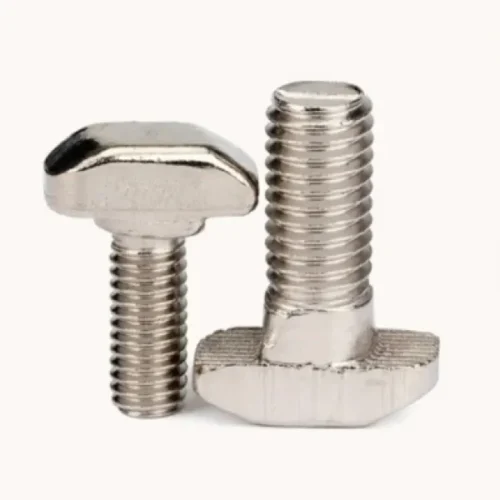
If you have ever been in a situation where you cannot remove the fastener, you know how frustrating it is, whether it be an extremely tight bolt or a very stubborn screw. While fasteners are normally designed to create strong connections, they are constructed with a strong enough material to resist breakage when trying to remove them. This guide will help you determine the best tools for safely and effectively removing fasteners regardless of their size.
Why Tools for Removing Fasteners are So Difficult
Fasteners can be extremely difficult to remove for a number of different reasons, including excessive corrosion, overtightening, cross-threaded fasteners, and/or exposure to harsh conditions. Metals such as stainless steel or other types of metal can become “seized” due to rust or debris, which can make it more challenging to remove. By understanding the reason behind the issue helps identify the appropriate tools and techniques to use.
Best Types of Tools Available for Removing Stubborn Fasteners
Not all tools work well in every type of application, so below are the most commonly used tools to break stubborn fasteners, along with helpful tips for using them effectively:
1. Socket Wrench with Breaker Bar
Utilizing a socket wrench combined with a breaker bar can give you the additional leverage often required to remove tight fasteners. The extended handle of the breaker bar will allow for an increased amount of torque, which will make it much easier to break the tight bond of the fastener. However, you should always use the proper size socket to avoid stripping the fastener.
2. Impact Wrench
An impact wrench can be extremely helpful if you are attempting to loosen a very stubborn fastener. This tool can be found in electric, battery powered, or air powered versions and it will use quick bursts of torque to help break loose bolted or screwed together fasteners. An impact wrench is helpful in removing rusted or over-tightened bolts from a vehicle or industrial equipment.
3. Adjustable Wrench or Spanner
Using an adjustable wrench/spanner allows you to adjust for different sized fasteners easily and can work well without having to purchase a multiple socket kit. However, you may not have as much torque as you would with a breaker bar or impact wrench, so this tool may not work as well to loosen tightly secured fasteners.
4. Penetrating Oil
Though it is not really considered a tool, you should always use penetrating oil (WD-40, PB Blaster, etc.) in your toolkit when attempting to loosen a frozen/secured fastener. Penetrating oils will be absorbed into the screw/bolt’s threads and will help loosen up the rust that is keeping it secured as well as reduce the amount of friction between the threads of the screw/bolt and the hole’s threads. You should apply an ample amount of penetrating oil and let it sit for at least 10-15 minutes before using a tool to loosen it.
5. Pipe Wrench
If you are working with larger sized fasteners (industrial bolts and plumbing fixtures), a heavy-duty pipe wrench will provide the grip and torque required. The self-clamping nature of the pipe wrench will help prevent the wrench from slipping off of the fastener (especially if you have a round head or damaged fastener).
6. Heat Tools
In severe cases where the fastener has rusted/corroded so much that it cannot be removed with any of the above options, using a propane or butane torch to heat the area to expand the metal surrounding the fastener can create enough space between the fastener and its threads to allow you to remove it. Use caution while applying this procedure, especially if you are working near anything flammable.
How to Loosen a Stubborn Bolt Step-by-Step
You can jar bolts loose by following these steps:
- Observe the fastener and its environment to identify why it is stuck. Is it corroded? Cross-threaded? Is it just too tight?
- Spray the area with a penetrating oil, and wait for 10 to 15 minutes before attempting to take it loose.
- Choose the right size tool, like a breaker bar or socket wrench. Don’t use a tool that is too small or you will strip out the bolt.
- Once you have the right size tool, apply heat to the fastener with a torch (if necessary) to expand the metal fastener making it easier to remove. You may also tap the end of the socket onto the bolt with a hammer or mallet for an effective way to aid in loosening the fastener.
- As a last resort, you could use additional breaking tools to assist you in removing fasteners. For example, you could use a pipe wrench with a rubber mallet or an impact gun with heated threads.
Always wear safety gear. Be sure to wear gloves and use safety goggles to protect your hands and eyes from debris when using the above tools.

How to Prevent Stuck Fasteners
While knowing how to loosen stuck fasteners is important, it’s always best to prevent being put in the position of having to attempt to loosen a stuck fastener. Here are a few tips you can use to help prevent dealing with stuck bolts or screws in the future:
1. For fasteners at a high risk of corrosion (rusting) or heat (temperature), such as stainless steel fasteners, apply an anti-seize compound before installation.
2. Do not overtighten fasteners when installing them. Use a torque wrench to ensure accurate tension is put on bolts/installing screw (torque).
3. Check fasteners regularly in high-stress areas (like vehicle engines or machinery), looking for any sign of damage as they could develop into a problem later on.
Frequently Asked Questions
How do I break free a stuck bolt?
Apply penetrating oil (PV) for up to 10+ minutes, then try using a breaker bar or an impact wrench; these tools have more torque and help loosen a stuck bolt. If it still does not come loose, use heat with a torch or tap the breaking bar handle with a hammer to loosen the bolt.
Can I use normal tools to remove a stuck bolt/screw if there are no issues?
Normal tools (wrenches, pliers, etc.) will work for slightly stuck bolts/screws; however, if the bolt/screw is very stuck (galling), then it’s better to use a breaker bar, impact wrench, or torch to remove additional amounts of torque from a stuck fastener.
What do I do if there was damage while removing a screw or bolt?
If you strip the head off of the screw, you can use a screw extractor (extractor kit) to grip and remove the damaged screw.
Are stainless steel fasteners harder to remove than other types of fasteners?
Stainless steel fasteners are resistant to corrosion, but still subject to seizing (galling) like many metals. Use anti-seize before installation to help prevent galling.
Staff will have all of the required tools (impact gun, penetrating oil, breaker bar) to remove the fastener properly. Remember to practice preventive measures like ensuring proper torque is used and installing anti-seize to help with fasteners that may be hard to remove later on. In summary, to successfully remove a fastener, choose the best tool for the job and take extra precautionary measures to ensure that you will be able to remove various types of fasteners in a safe and efficient manner in the future.