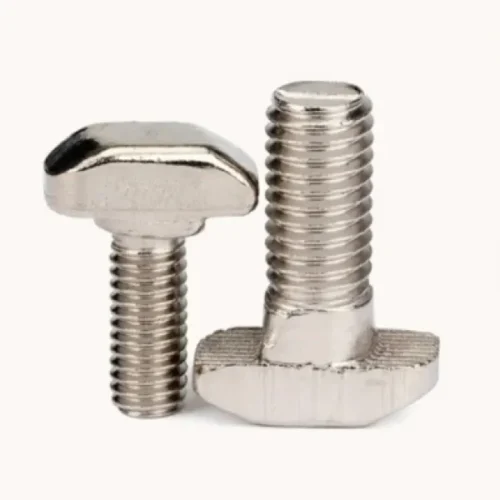
When it comes to construction, industrial applications, or simple DIY projects, fasteners are used to hold different parts together. Therefore, whether you’re using a common screw or other types of metal fasteners to hold things together, knowing how to properly use fasteners will help ensure you choose the proper fastener for your specific purpose. In this fastener type guide, we’ll provide examples of some of the most common types of fasteners, how they are used, and what you should consider when making your choice.

Definition of Fasteners
A fastener is a hardware item that provides a mechanical connection by joining two or more components together and providing a secure method of attachment (permanent or temporary). Fasteners can be manufactured using a variety of materials, such as stainless steel fasteners, aluminum, brass, and possibly plastic, depending on the intended application or use of the item.
Types of Fasteners
There are lots of different types of fasteners, but some examples include the following:
1. Screws
Screws are one of the many diverse types of fasteners that can be classified as fasteners having a ridge (helical) around their circumference and are designed to capture or seal the materials being secured tightly to one another, such as wood screws, machine screws, and deck screws. Screws can be used for applications such as wood, metal, and/or plastic assembly.
2. Bolts
Bolts are threaded fasteners designed to be used with a nut or to attach two objects. The most common bolts include hex-headed bolts, carriage bolts, and anchor bolts. The primary purpose of bolts is to provide strength and stability when fastening or connecting two objects together, especially in situations where the forces applied to the fastener are high, such as structural steel assemblies or machines.
3. Nuts
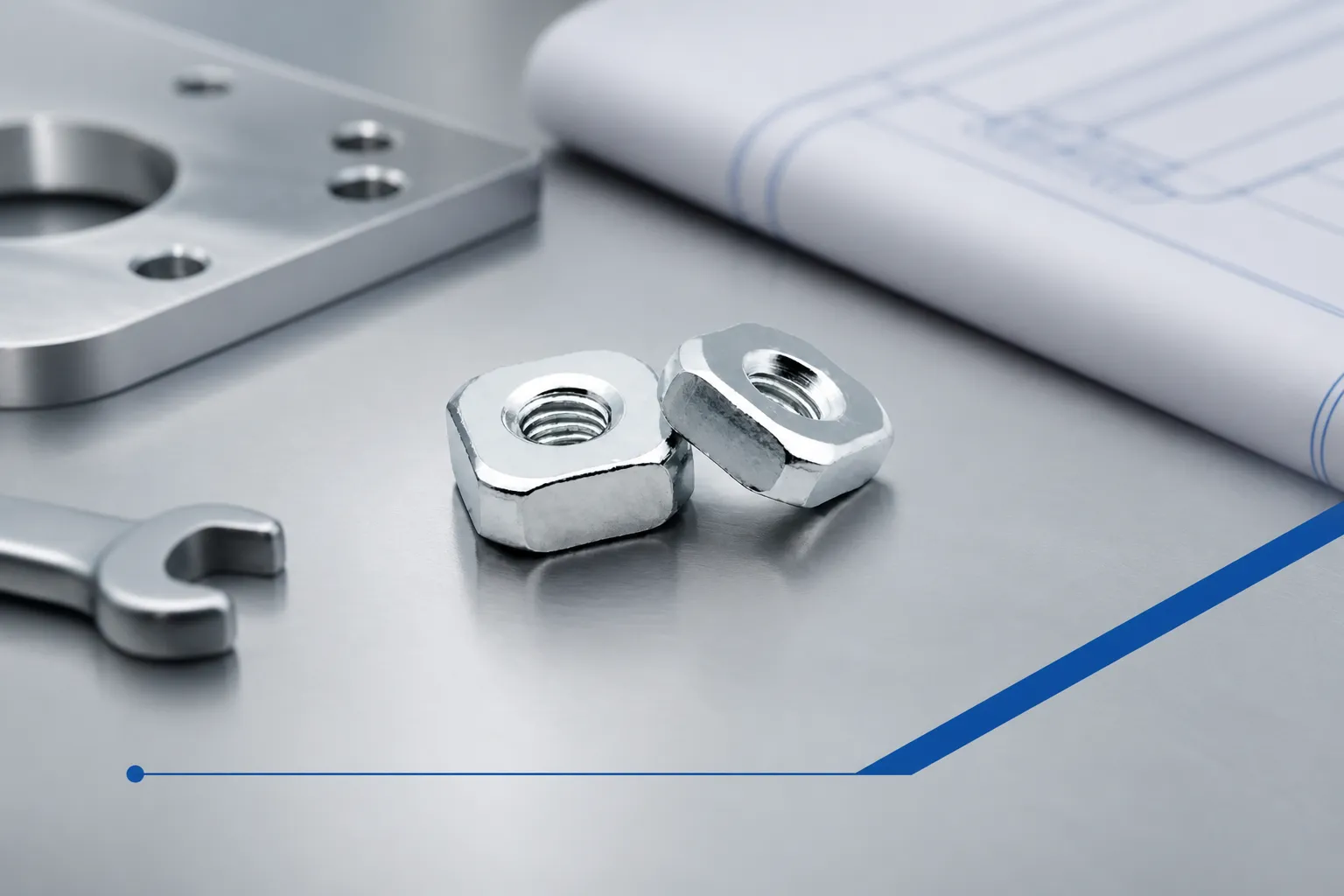
Nuts are small parts that, combined with bolts, assist in holding two objects together. Nuts come in many shapes and sizes, such as hex nuts, lock nuts, and flange nuts. When a bolt is paired with an appropriate nut, it creates a secure fastening option.
4. Washers
Washers are round, flat pieces of material that go between a bolt or nut and a surface to help distribute the load on the surface and to protect the surface from damage. There are many types of washers, but the most common include flat washers, lock washers, and spring washers.
5. Rivets
Rivets are fasteners used to permanently join two pieces of material by deforming the tail of the rivet to keep it secure. They are commonly used in applications such as airplanes, bridges, and heavy-duty structures where a long-lasting connection is required.
6. Clips and Pins
Clips and pins are temporary fasteners used to hold an assembly in position. They are often used in applications where the assembly needs to be disassembled and reassembled frequently, such as cotter pins or clevis pins.
7. Anchors
Anchors are specifically designed fasteners used to attach objects to concrete, drywall, and many other materials. Types of anchors include wall anchors, toggle bolts, and sleeve anchors. They are commonly used to attach heavy objects to walls.
What is Thread Class 1A, 2A, 3A?
If you are using metal fasteners, you need to know the thread class. Thread classes simply represent the tolerances that determine how well the male and female parts will fit together in a threaded fastener.
- Class 1A: These threads offer the loosest fit and are generally used for quick assembly and disassembly where high precision is not required.
- Class 2A: This is the most widely used thread class, offering an ideal balance between ease of assembly and strength.
- Class 3A: These threads offer tight tolerances, making them suitable for high-precision applications where a secure and minimal-play fit is essential.
Choosing the proper tolerance class is very important, as it helps ensure that your fastener performs as intended and provides adequate support for your project’s structural needs.
How to Choose the Right Fastener
Choosing the right fastener is one of the single most important aspects that will determine whether your project will be successful or not. To make a proper selection of fasteners, several factors need to be considered:
- Material: Environmental conditions should be taken into account when determining which type of material should be chosen for your fasteners. For instance, the use of stainless steel fasteners provides resistance to corrosion, whereas aluminum could be used for lightweight applications or titanium because of its superior strength and durability.
- Load Requirements: Types of loads must be determined, and then the fasteners selected that properly support the tensile load requirements of the connections.
- Compatibility: You should always choose the proper materials for the fastener to avoid galvanic corrosion where dissimilar metals are in contact.
- Application: Identify whether the fastener connection is to be permanent or temporary. Depending on this, select either screws, bolts, rivets, or other alternatives that best meet the intended purpose.
Common Questions About Fasteners
Are Stainless Steel Fasteners Rustproof?
The answer is no. Stainless steel fasteners are manufactured to be resistant to rust as well as to corrosion. Therefore, they are often used for outdoor or marine applications. However, you should carefully choose the correct grade of stainless steel (e.g., 304 or 316) that is specified for the application.
Can Fasteners Be Reused?
Some fasteners like screws and bolts can be reused as long as they remain undamaged. However, most fasteners, such as rivets, are manufactured for one-time use only and provide a permanent fastening solution. All fasteners should be inspected for any signs of wear or damage before being reused.
How Do I Know the Correct Size of a Fastener?
The size of a fastener can be determined by referring to its diameter, length, and thread pitch (or the distance between the threads). Always consult a size chart or refer to the manufacturer’s specifications to select the appropriate size for your application.
Are There Different Types of Coatings for Fasteners?
Yes, fasteners can come with different types of coatings, including zinc plating, hot-dip galvanization, and black oxide finishes. These coatings are often used to improve corrosion resistance or to enhance the fastener’s appearance. The appropriate coating should be selected based on environmental exposure and the specific conditions of the project.
Understanding the various types of fasteners—such as screws, bolts, rivets, and specialty fasteners like stainless steel fasteners—is critical for any construction or home improvement project. Each type serves a distinct purpose, making it essential to choose the right fastener for the job. Additionally, factors like thread classes, material, load requirements, and environmental conditions should be taken into account. By ensuring you make an informed choice, you can guarantee the durability and reliability of your assembly. For professional advice or bulk orders of top-quality fasteners, don’t hesitate to contact our team of experts today!