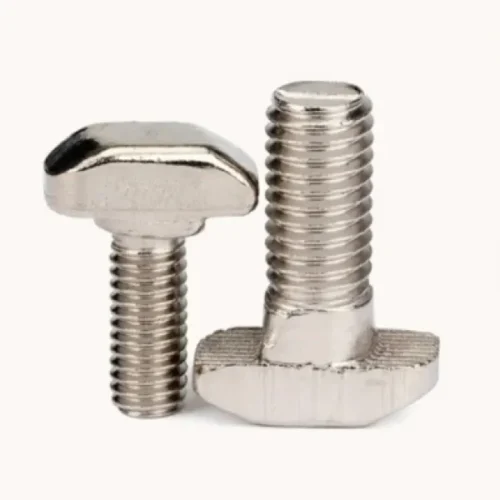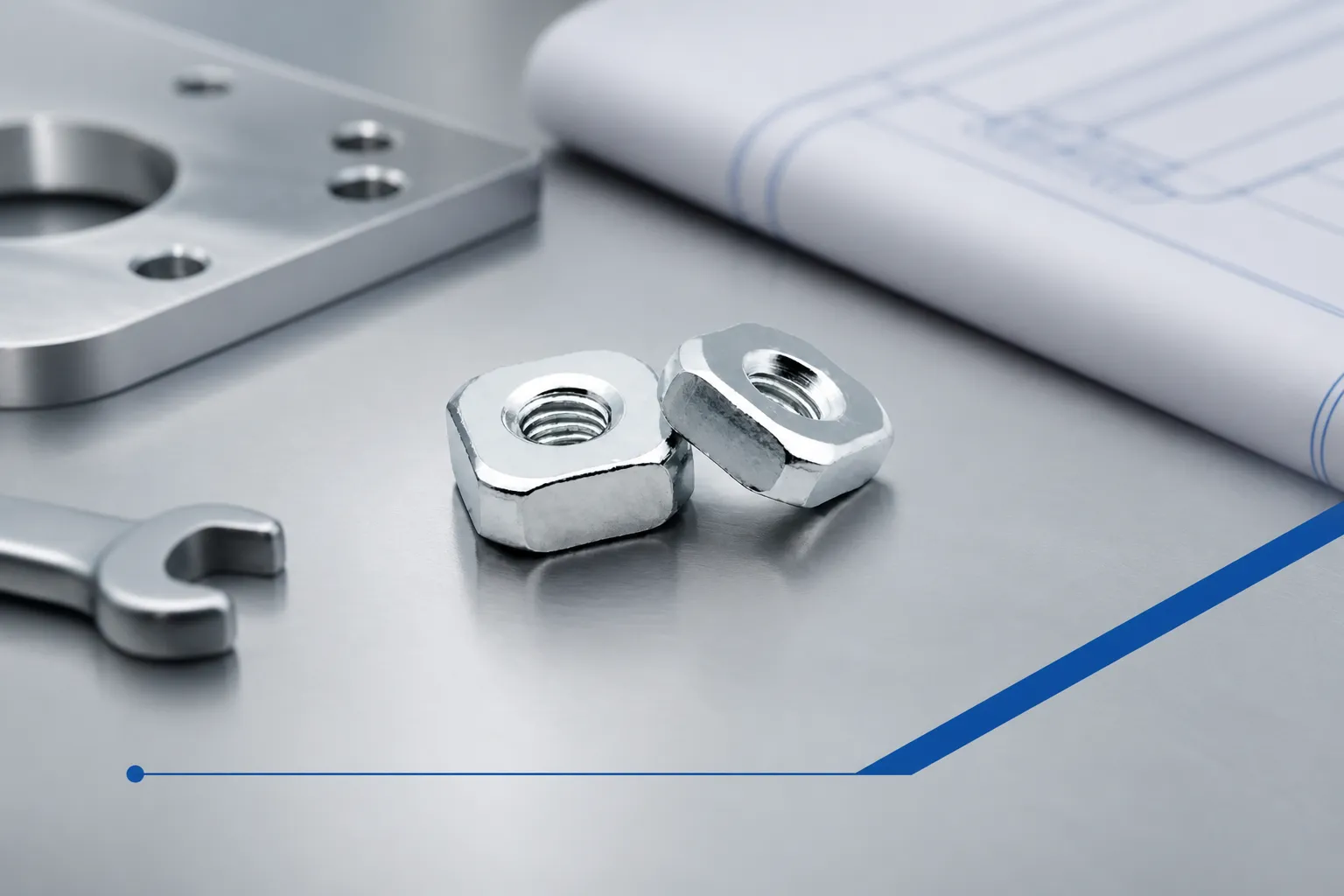
Aluminum profile frames can be assembled with several connector styles. Internal connectors, external brackets, and threaded connectors each create a different joint layout, installation sequence, and finished appearance. Selecting the connector early makes it easier to prepare the profile machining and hardware list.
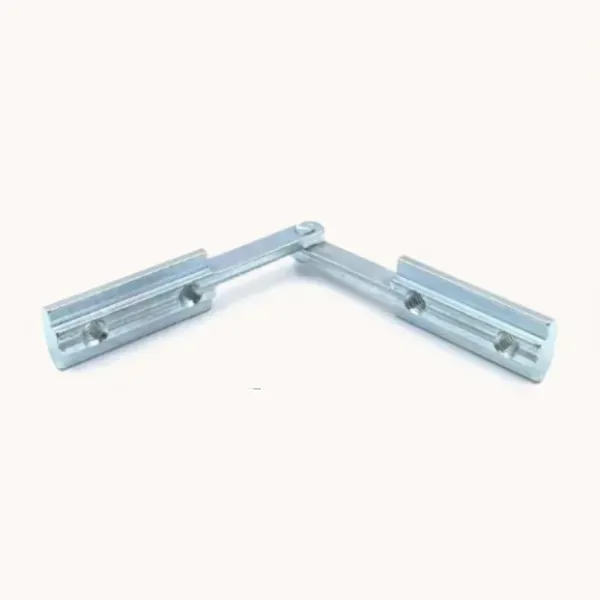
Internal connectors
Internal connectors are designed to sit within or close to the profile geometry. They can help create a clean exterior appearance and are often chosen where surface clearance matters. Their use may require specific drilling, tapping, or machining steps, so verify the profile drawing and connector installation instructions before production.
External brackets
External brackets attach around the outside of the profile. They can provide a direct and visible connection method and may simplify adjustment during installation. Corner brackets are commonly specified by angle, profile size, material, finish, and the number of fixing points required.
Threaded connectors
Threaded connectors can be used where the profile design and connector system allow a threaded internal connection. The key checks are compatible hole preparation, thread specification, connector length, and the amount of engagement available in the profile.
Connector selection checklist
- Profile section and slot series
- Joint angle: straight, 45 degree, 90 degree, or adjustable
- Required load path and stiffness
- External appearance and clearance needs
- Machining capability and installation access
- Material and surface-finish requirement
QIYI FASTENER supplies profile connectors, threaded connectors, and bracket components for aluminum-profile assemblies. Send the frame drawing and joint detail to identify a suitable connector style and request a quotation.