Summary: Industrial joints perform when fastener, materials, preload, environment and inspection are specified together. Separate proof load from ultimate tensile strength, then verify with documented torque or tension; ISO metric classes and ASTM tests are not interchangeable. Define load path, corrosion, temperature and traceability before comparing cost.
Hardware and fasteners are a joint system, not a parts list
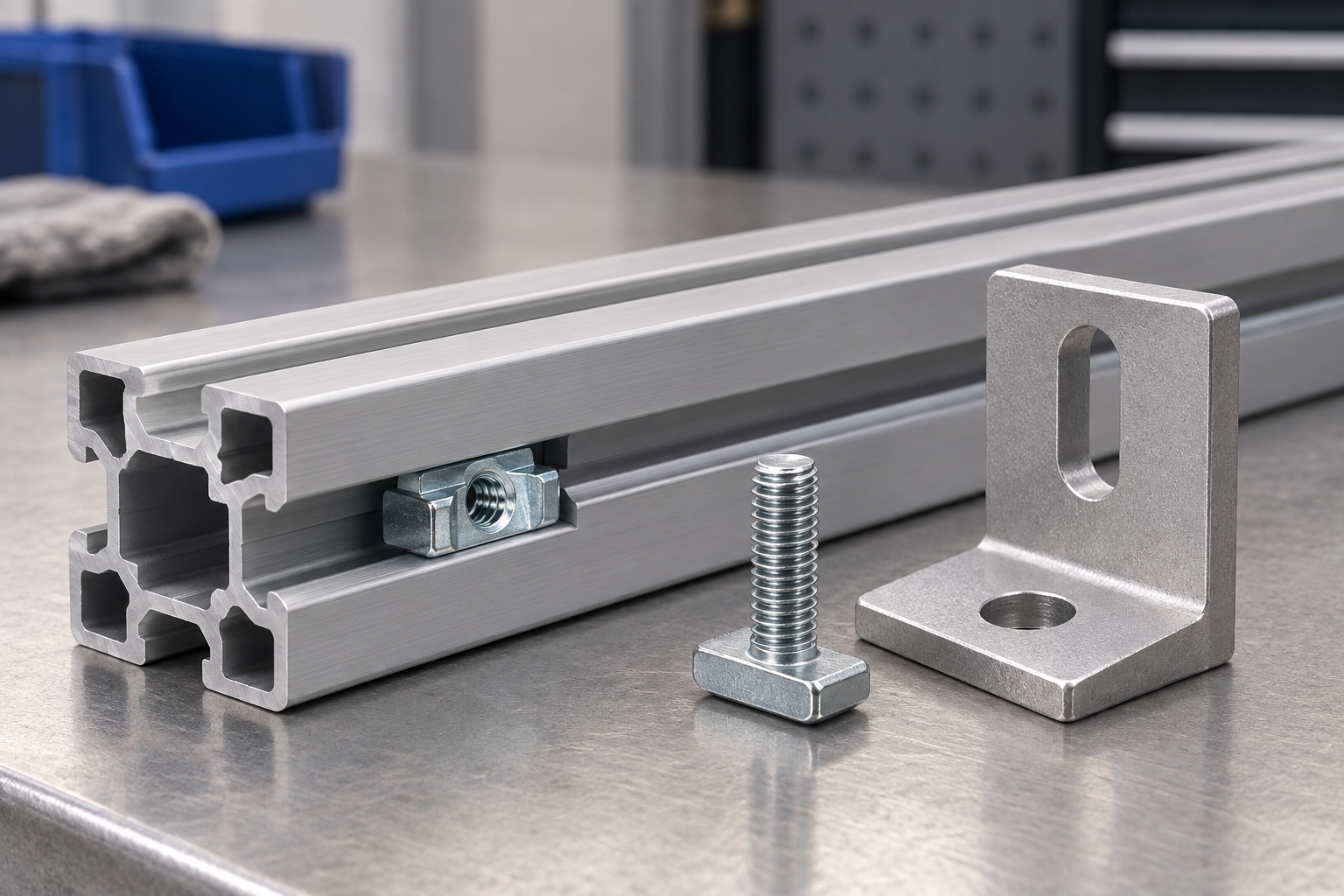
In industrial procurement, hardware usually means the broad set of mechanical components around a joint: washers, nuts, pins, anchors, clamps, and related accessories. Fasteners are the components intended to hold parts together, either permanently or removably. The distinction matters because a high-grade bolt can still underperform if its nut, washer, hole, or mating surface cannot carry the same load.
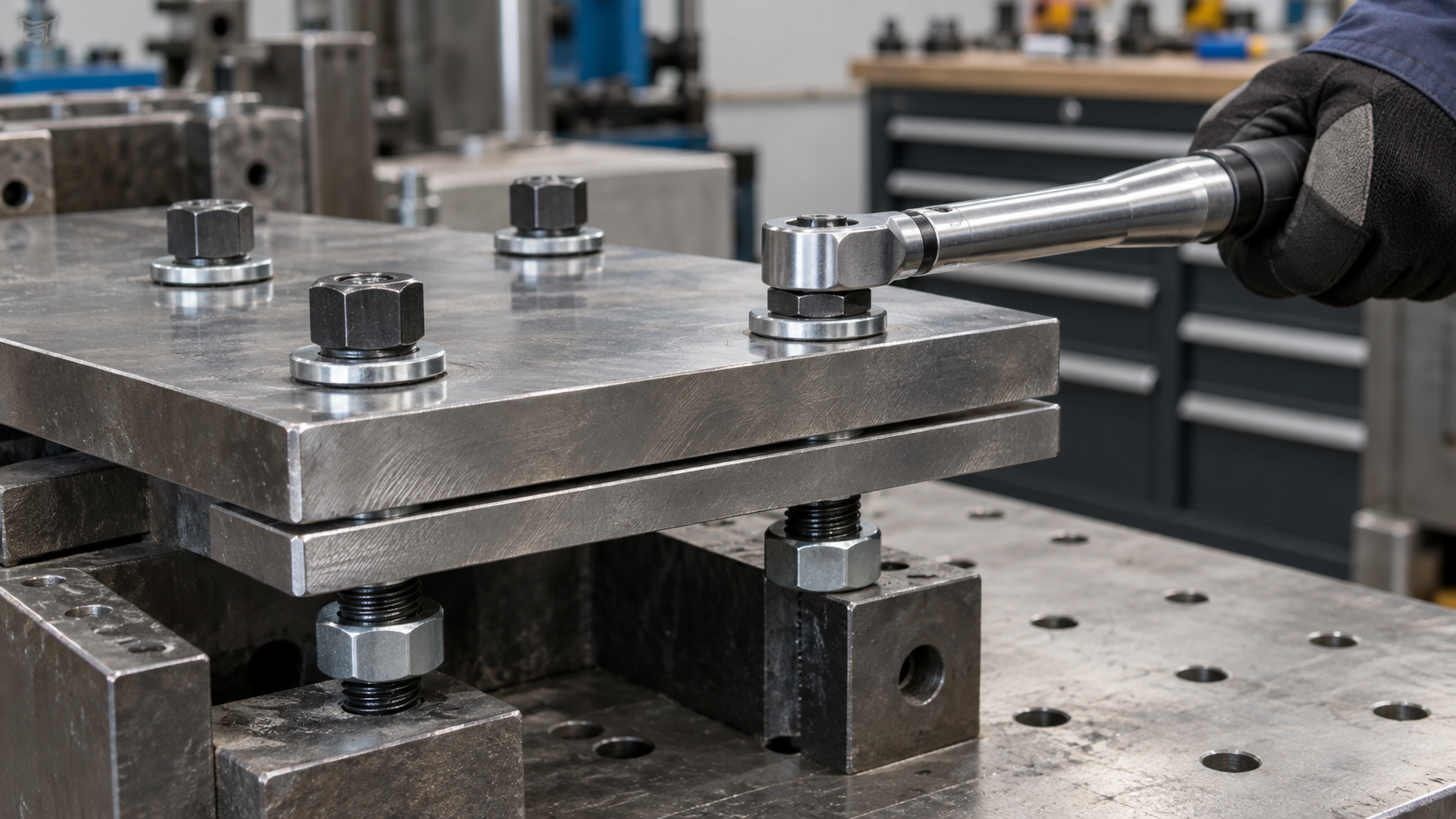
Joint behavior is governed by clamp force. For a simplified torque estimate, T = KFd, where T is tightening torque, K is a nut-factor estimate, F is target preload, and d is nominal diameter. Lubrication, coating, thread condition, and tool variation can move K substantially, so the equation is a planning aid rather than a release criterion. A production team should correlate torque with tension on representative parts and record the lot, tool, operator, and date.
Load, environment, and serviceability set the baseline
Start with the dominant load: tensile, shear, fatigue, vibration, or a combination. Then screen the environment for salt spray, chemicals, galvanic couples, temperature cycling, and washdown. A joint in a food-processing frame may prioritize cleanable finishes and crevice control; a wind-turbine nacelle may prioritize fatigue data, locking strategy, and field inspection access. The same nominal diameter can have very different risk profiles in these applications.
In drawings and purchase orders, the phrase screw bolts should be made precise. State thread form and pitch, nominal diameter, length under head, head style, drive, property class or grade, coating, and any locking feature. Clarify whether the joint uses a clearance hole, a tapped hole, or a prevailing-torque nut. This removes ambiguity between a machine screw, a hex-head bolt, a socket-head cap screw, and a self-tapping screw.
Metal fasteners are commonly produced from carbon steel, alloy steel, stainless steel, brass, aluminum, or nickel alloys. Carbon and alloy steels offer high strength per unit cost, while austenitic stainless grades can improve corrosion resistance but may have lower proof loads and a tendency to gall. Zinc flake, electroplated zinc, hot-dip galvanized, phosphate, and organic coatings each change friction, thickness, hydrogen-embrittlement risk, and electrical contact behavior.
Hardware and fasteners compare differently when total cost is visible
Unit price is only one line in a joint’s cost model. Rework, tool calibration, line stoppage, corrosion claims, inspection labor, and field replacement can exceed the original purchase price. Use the table below to frame a technical-commercial review rather than treating one material or finish as universally superior.
| Choice | Performance | Durability and maintenance | Compatibility | Unit-cost tendency | Total-cost note |
|---|---|---|---|---|---|
| Alloy-steel, plated | High strength; broad property classes | Finish-dependent corrosion control | Good for steel joints; check hydrogen risk | Low to medium | Efficient where torque and coating controls are mature |
| Austenitic stainless | Moderate strength; good corrosion resistance | Galling and contamination need control | Useful in washdown and outdoor assemblies | Medium to high | Can reduce replacement and cleaning issues |
| Hot-dip galvanized | Moderate to high, depending on grade | Robust exterior zinc layer | Thread allowance and mating finish must match | Medium | Strong option when coating thickness is designed in |
| Brass or bronze | Lower strength; good conductivity and appearance | Suitable for selected wet or electrical uses | Check galvanic pairing and thread strength | Medium to high | Best when material function outweighs tensile capacity |
| Polymer or composite accessory | Lightweight; limited temperature and load range | Resists some chemicals; ages by environment | Useful for isolation, clips, and non-primary retention | Low to medium | Can simplify assembly but needs aging data |
- Freeze the joint definition. Record loads, clamp length, hole type, access, service temperature, vibration, corrosion exposure, and disassembly frequency.
- Write an unambiguous part specification. Include standard, diameter, pitch, length, head and nut style, property class or grade, material, finish, lubrication, and packaging.
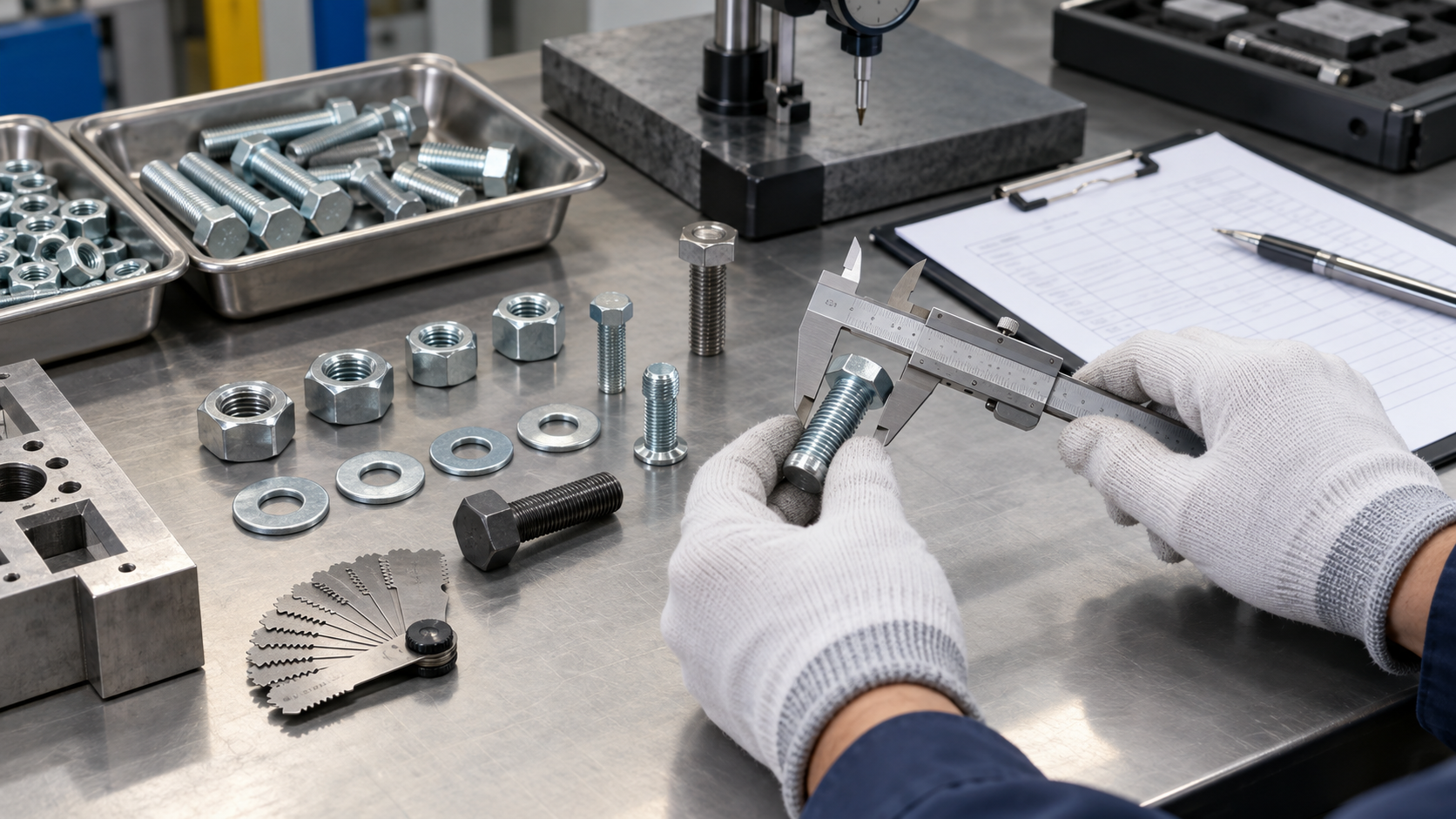
- Validate the installation process. Correlate torque with tension, verify tool calibration, set a sampling plan, and define what happens when a result is out of control.
- Qualify the supply chain. Require lot traceability, certificates, change notification, and a documented substitution process; sample dimensions and coating condition on receipt.
- Model total cost. Compare piece price with labor, inspection, downtime, field access, expected replacement, and disposal. Treat an illustrative calculation as a decision aid, not a forecast.
Qiyi Fastener can be considered during the sourcing stage when a project needs configurable fastener families, drawing-based quotations, and documentation aligned to the buyer’s specification. The practical test is whether the proposed part, process evidence, and delivery plan close the joint’s identified risks; buyers can review the industrial fastener manufacturers guide before requesting a quotation.
Frequently asked questions
What is the difference between hardware and fasteners?
Hardware broadly means mechanical components and accessories; fasteners are hardware whose primary purpose is joining or retaining. A washer, spacer or clamp may support a fastener without being the threaded fastener itself. Procurement should define the terms so the bill of materials and inspection plan align.
What are 7 types of fasteners with examples?
Seven widely used groups are bolts (hex bolt), screws (machine screw), nuts (prevailing-torque nut), washers (hardened flat washer), studs (double-end stud), rivets (blind rivet), and pins (dowel pin). This list is a practical classification, not a complete catalog. For a specific assembly, confirm the required strength, retention method, corrosion resistance, and serviceability.
How should a buyer verify a fastener supplier?
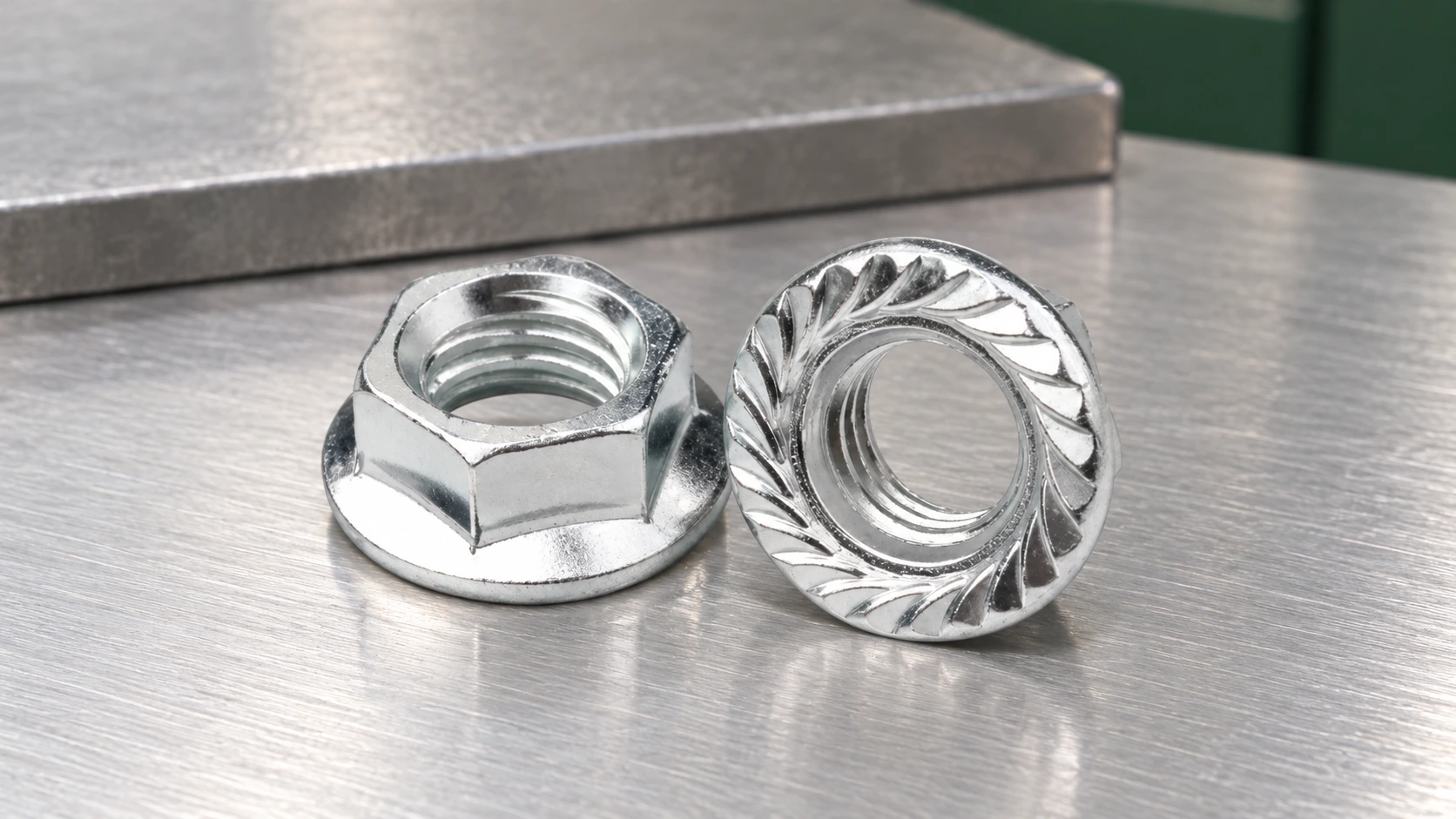
Ask for a controlled drawing review, material and mechanical certificates, lot traceability, coating details, sample inspection data, and change-notification terms. Confirm that the supplier can reproduce the specified geometry and installation condition, not merely provide a similar-looking part. For product families and current availability, buyers may also review Qiyi’s flange nut range.
References
- ASTM International, Committee F16 on Fasteners
- McMaster-Carr, Bolts
- ASTM F606/F606M fastener mechanical test methods
- ISO 261 metric screw-thread standard
For a project-ready review of hardware and fasteners, visit Qiyi Fastener’s products catalog and send the joint requirements through the contact page. Include the drawing, target market, material and finish needs, estimated quantity, and inspection expectations so the conversation starts at the decision that matters.