Choosing between hammer nuts and slide-in T-nuts
Hammer nuts and slide-in T-nuts are both designed to create threaded attachment points in aluminum profile systems. The best choice depends on when the fastener is added, the profile slot, the assembly sequence and the required service conditions. For B2B buyers, defining those details before ordering helps avoid incompatible parts and unnecessary rework.
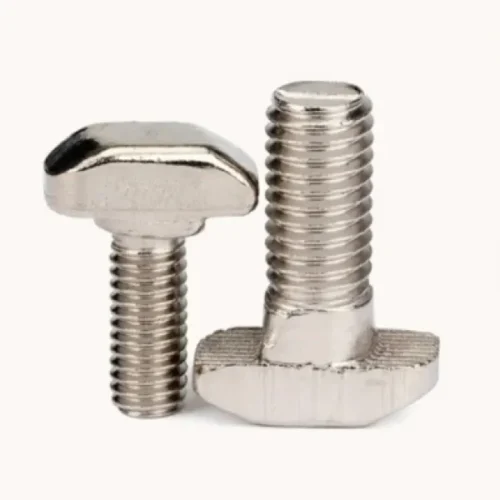
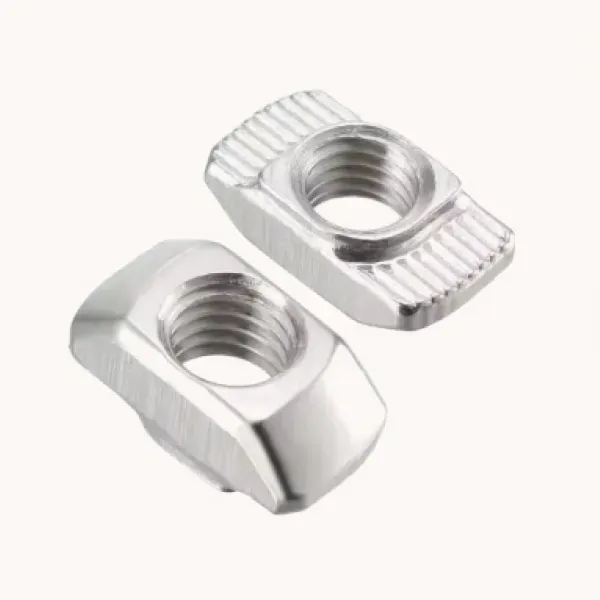
A hammer nut is commonly inserted into a compatible T-slot and turned into position. Its geometry helps it locate in the slot while providing a thread for a bolt or accessory. A slide-in T-nut is inserted from the end of the profile slot and then moved to the required position. Both can be useful in machine frames, guards, workstations and other aluminum extrusion assemblies.
When a hammer nut is the better option
Hammer nuts are particularly useful when the end of the aluminum profile is not accessible or when a connection must be added after the main frame has been assembled. They can allow installers to add brackets, panels and accessories without dismantling a long section of profile. Confirm the slot series, nut dimensions, thread size and installation direction before selecting a model.
- Use for post-assembly additions where the profile end is closed or difficult to reach.
- Match the nut body to the T-slot geometry and profile series.
- Select the thread size for the bolt and the load required by the assembly.
- Verify material and surface finish for the intended environment.
When a slide-in T-nut is the better option
Slide-in T-nuts are normally loaded from the profile end before adjacent parts block access. They are a practical choice for planned, repeatable production assemblies because the nut position can be set before a bracket or panel is fixed. This can be useful when multiple fastening points are required along one profile.
For projects that need a movable threaded point along the extrusion, review the available sliding nut options together with the profile drawing. The goal is to make sure that the nut slides freely during positioning but seats correctly when the joint is tightened.
Key selection questions for buyers
Use the same technical checklist for either type of T-slot fastener:
- What aluminum profile series and slot width will be used?
- What thread size is required for the mating bolt?
- Will the fastener be installed before or after the frame is assembled?
- What load, vibration and corrosion conditions will the joint experience?
- Are carbon steel, stainless steel or a particular plated finish required?
Request a compatible fastener solution
For a reliable quotation, send the aluminum profile drawing or slot dimensions, the required thread, quantity, material preference and application details. QIYI FASTENER can help buyers identify compatible hammer nuts, slide-in T-nuts and related profile hardware for standard or customized assemblies.