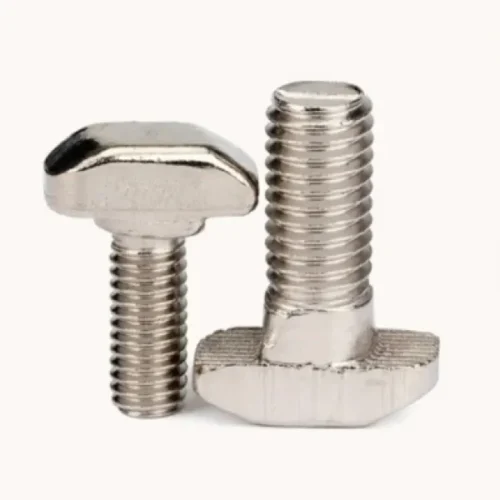
Solar mounting systems are exposed to rain, humidity, temperature changes, and long service periods. The T-bolt used to connect brackets, rails, and aluminum profiles should therefore be specified as part of the whole fastening system, not selected only by diameter.
Confirm profile and bolt compatibility
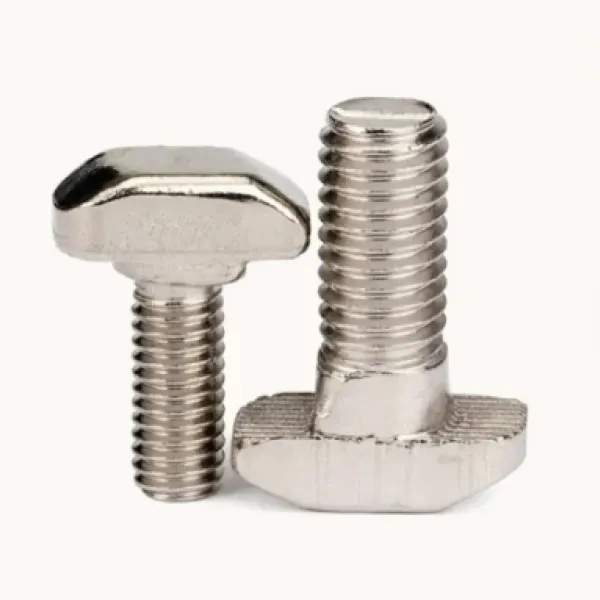
First, identify the rail or aluminum profile slot and the required head geometry. The T-bolt must seat correctly in the slot and allow the bracket or accessory to clamp without interference. Confirm thread size, usable length, head dimensions, and any washer or nut used in the connection.
Assess corrosion conditions
Outdoor projects should assess local exposure rather than assuming one material fits all conditions. Consider humidity, coastal salt exposure, industrial pollution, galvanic contact between metals, and maintenance access. Specify the required material and finish according to the project standard and the system designer’s requirements.
Check the complete joint
- Rail or profile slot dimensions
- T-bolt head shape and rotation position
- Thread size and engaged thread length
- Matching nut, washer, and bracket material
- Tightening method and torque requirement
- Project corrosion and compliance requirements
Information suppliers need
For a fast quotation, send the rail drawing, bolt size, material requirement, quantity, packaging specification, and destination. If the fastening system is custom, include a sample or technical drawing. This allows the supplier to confirm whether a standard T-bolt is suitable or whether a tailored component is needed.
QIYI FASTENER supplies T-bolts and aluminum-profile fastening components for project-based applications. Contact the team with your drawing and requirement list for product matching.