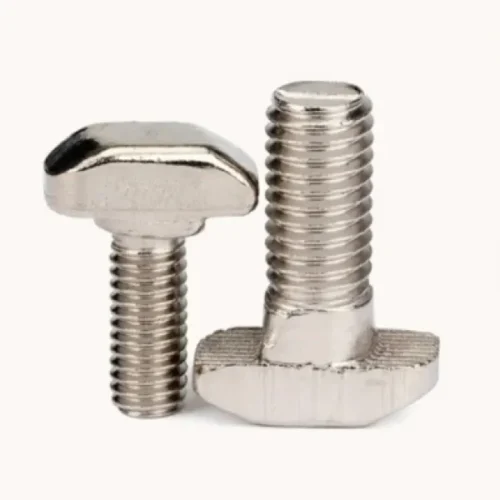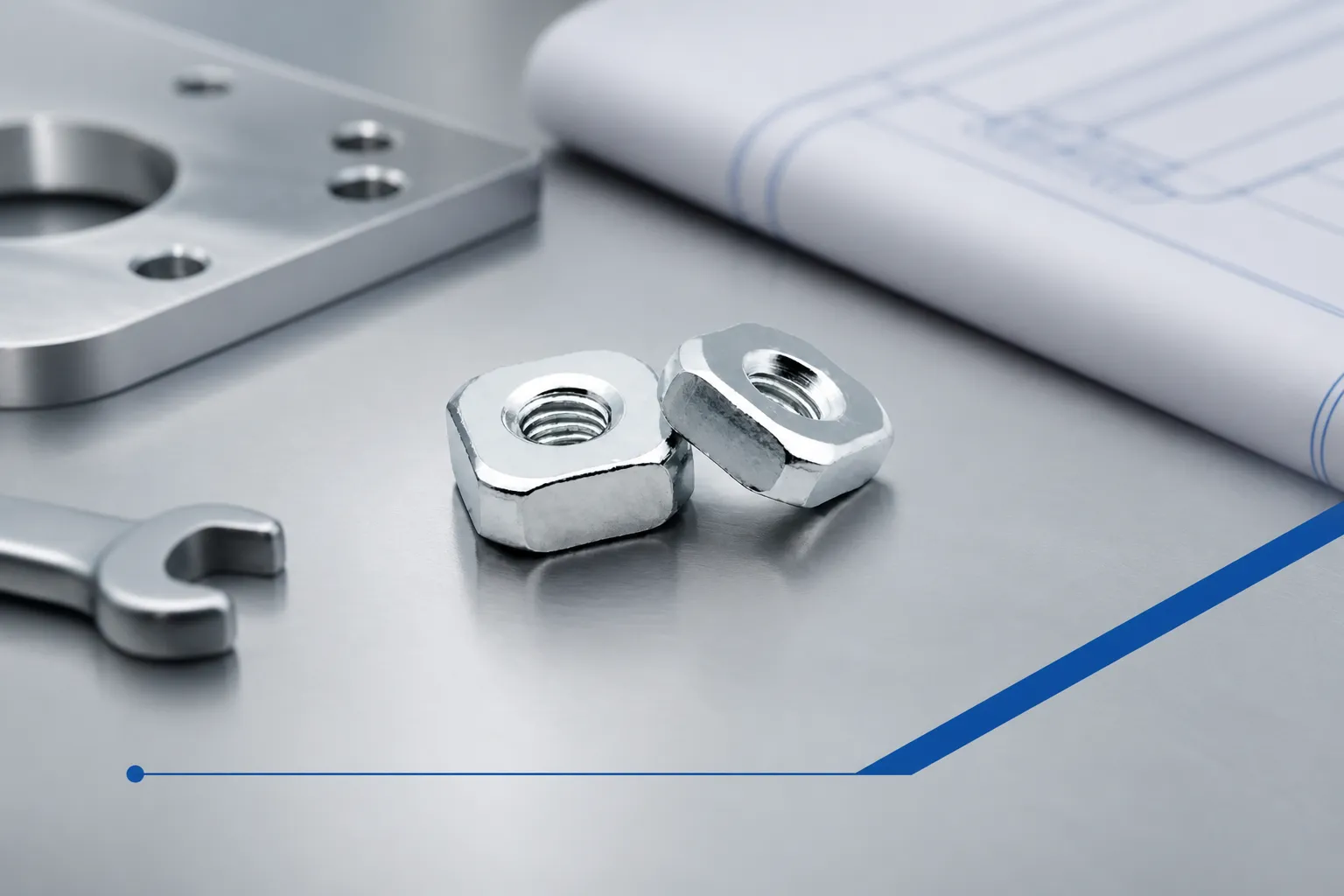
When making a sourced purchase through B2B means, the buyer is looking for more than just a product name. For the buyer to purchase, he/she considers aspects like material compatibility, precision of the product’s threads, surface finish, consistency of production, quality inspection, packing, and reliability of the supplier. Some of the keywords used in describing the product includes threaded connector supplier, custom maker for threaded connector, fastener supplier, threaded connectors, threaded couplings, and custom fastener manufacturer.
ISO indicates that international standards help in creating products and services that are secure, dependable, and excellent. This standardization approach is useful for threaded connectors and fasteners as many products need to be compatible with mating components, tools, drawings, and market demands.
Note 1: The term threaded connector in this article can refer to threaded connectors used in electrical systems, as well as threaded elements of mechanical work, connection with fastening devices, or made on demand metal components. Final specifications should be defined in line with project drawings, operating conditions, standards of the particular market, and adopted requirements of the customer.
Market Demand for Threaded Connectors and Precision Fasteners
The need for involvement of fasteners is highly connected with electrical installations, construction engineering, machinery assembly, production of electronics, automotive components, as well as manufacturing of industrial equipment. In these branches, fasteners are used to obtain the connections that are repeatable, serviceable, and mechanically stable.
Threaded devices are used to connect various electrical conduit systems like EMT conduit, rigid conduit, IMC conduit, PVC conduit, junction boxes, control panels and electric enclosures. These threaded tools also connect bolts, nuts, screws, washers, anchors, coupling nuts, threaded rods and custom machined parts in machine and construction works.
The practice of specification-driven sourcing has developed as a recognizable tendency in B2B purchases. More and more buyers evaluate the suppliers based on such criteria as fixed parameters, technology of production, approval of samples, level of knowledge regarding standards, and presence of authenticity documentation. Although pricing remains a significant factor, the poor quality of thread, use of wrong materials, bad packaging, or unreadable marking could also lead to appearing of hidden costs during installation, assembly, storage or after-sales processing.
Product Role in Secure Conduit and Mechanical Assembly
A threaded connector provides a thread to thread connection between two different elements. In a conduit installation application, the connector is used to join a conduit to a box, enclosure, panel, or fitting. In fasteners, it may connect rods, machine components, brackets, or custom assemblies.
When it comes to electricians, threaded connectors need to mate with conduit, locknuts, bushings, and enclosures tightly. Bad thread engagement may lead to installation problems, faulty connection, or alignment issues. On the other hand, machine manufacturers might require a connector to allow for repeated tightening or vibrations. For distributors, the number of SKUs, clarity of the packaging, and consistent product appearance matter.
Two buyer concerns are especially practical:
- Assembly efficiencyAchieving clean edges, smooth threaded engagement, consistent dimensions can help limit the time spent on adjustments and improve batch installation rates.
- Sourcing risk controlBased on the finalized drawings, specifications, prototypes, and the criteria for the connector to be approved, the buyers can manage the compatibility of the connectors and the stability of repeated orders.
Material Selection for Threaded Connectors and Fasteners
The selection of materials must be determined by the needs of the application instead of just the cost. Typical materials include carbon steels, alloy steels, stainless steels, brass, zinc alloys, aluminum, as well as some PVC materials and other engineering plastics for sufficient class conduit.
Carbon steel is extensively utilized in fasteners such as bolts, screws, washers, and nuts because of its favorable mechanical capabilities and cost-effectiveness. Stainless steel is usually used in situations where corrosion resistance is a key factor as it is employed in outdoor, humid, and industrial applications. Brass is sometimes used in wires, decorative pieces, and corrosion-sensitive components. Zinc alloys are widely used in specific electrical accessories since these materials assist in shaping and retaining their stable appearance. PVC threaded accessories are chosen in non-metal conduits, where lightweight and corrosion resistance are required.
| Material Type | Common Applications | Buyer Considerations |
|---|---|---|
| Carbon steel | Bolts, nuts, screws, washers | Strength grade, coating, cost |
| Stainless steel | Outdoor or damp environments | Corrosion resistance, grade |
| Brass | Electrical and precision parts | Machinability, conductivity |
| Zinc alloy | Electrical conduit fittings | Forming efficiency, appearance |
| PVC or plastic | Non-metallic conduit systems | Lightweight, corrosion resistance |
Note 2: It is not enough to use material names for determining product quality. Just as there are various grades for stainless steel, carbon steel may be of different strength types. The buyer will have to verify specifications regarding the material standards and the quality requirements for the application and surface treatment at the inquiry stage.
Thread Design and Manufacturing Process
Thread accuracy is among the key elements to connector efficiency. The accuracy of the threads is critical, based on the application’s requirements such as conduit installation, rod connection, machine assembly, or custom fastenings. Thread classifications used involve both Universal and some industry standards, like metric threads, UNC threads, UNF threads, NPT threads, straight threads, and custom threads, etc.
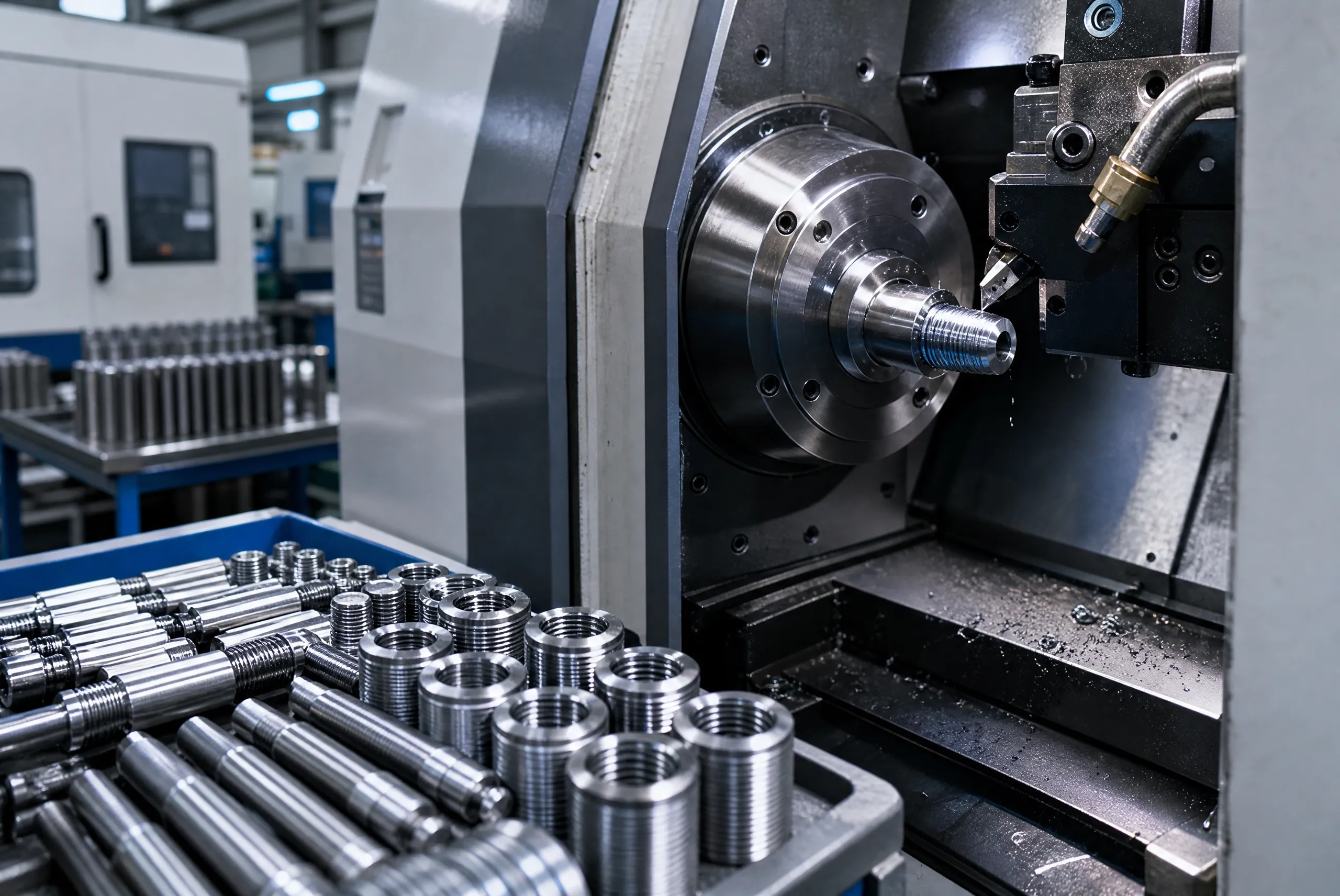
Manufacturing may involve cold heading, hot forging, stamping, die casting, CNC machining, turning, drilling, tapping, thread rolling, trimming, deburring, cleaning, and surface finishing. Common bolts, screws, nuts, and washers are produced in standard forming processes, while special-threaded connectors often require CNC machining, tooling making, or sampling manufacture.
Depending on the order type, the first step in the manufacturing process involves the manufacturer reviewing the drawing. It is necessary for the manufacturer to review the material, dimension, thread type and tolerances, surface treatment, production number, and packing. If the goods are of non-standard nature, a sample might be created for testing purpose in advance, and only after that mass production takes place.
Surface Treatment and Corrosion Protection
The surface treatment method is advantageous for improving the resistance to corrosion, visual stability, wear performance, and ease of handling. The surface treatment process can be completed using several methods including zinc plating, nickel plating, black oxide, hot-dip galvanizing, phosphate coating, passivation, powder coating, and custom coating.
For interior fasteners and tubing connectors, zinc coating is the most common choice because of its attractive look and basic protection. Hot-dip galvanization is a better option for outside or construction works, while stainless steel parts are given a passivation treatment. Black oxide or phosphate plating methods are applied to specific engineering components.
In the case of threaded goods, coating thickness has to be managed accordingly. Too thick a coating may interfere with the pacot and too little coating will not ensure proper protection. In case of the product being used under tough conditions, customers may demand salt spray tests, coating thickness control, hardness testing, or validated samples.
Key Specifications Buyers Should Confirm Before Ordering
The buyer must give sufficient information for a quote beforehand. While a threaded connector appears to be straightforward, a minor alteration in the thread type, material, plating, tolerance, or packaging may have a big impact on pricing and performance.
When ordering standard fasteners, the purchaser needs to establish the fastener type, standard, material quality, strength, dimensions, thread specifications, finish, quantity ordered, and preferred packaging method. In the case of ordering custom connectors, the purchaser has to submit the designs, samples, images, specifications regarding the related part, assembly instructions, and guidelines regarding inspections. When ordering electrical connectors, it is essential to determine the conduit type, size, compatibility with locknuts, bushing type, enclosure type to be used, and the target locality.
According to ASTM, standards facilitate products, materials, systems, and services in all industries worldwide. In international sourcing, standards make it possible for buyers and manufacturers to communicate in a common technical language. Nevertheless, buyers should never assume that the product is certified or approved unless there is proof.
OEM and Custom Manufacturing Options
When a company engages in OEM manufacturing, it collaborates with distributors, importers, brand owners, equipment manufacturers, and buyers. Standard fasteners, including bolts, nuts, screws, and washers, offer the required features for many general purposes. However, custom threaded fasteners may offer special requirements like specific dimensions, modified threads, distinctive head shapes, surface finishes, private-label packaging, or assembly compatibility.
A practical process of OEM contains requirement review, drawing confirmation, material evaluation, sampling, sample testing should include assembly test with mated parts like conduit, locknut, threaded rod, nut, enclosure, bracket, or machine component if possible.
Yueqing Qiyi Fastener Co., Ltd. produces bolts, nuts, screws, washers, and custom-made products for the construction, industrial, electronic and automotive industries. Suppliers looking to buy standard fasteners and custom threaded products may find this range of supplies important. However, the main factor to consider is technical compatibility, control over production and quality of products.
Quality Assurance and Inspection Process
It is important that quality control covers the whole production process, from raw materials inspection until the shipment of the ready products. When it comes to bolt and nut production, testing of raw materials is usually started. During manufacturing process a quality inspector will check the essential characteristics of production including sizes, fit of the thread, production technique, surface finishing and stability.
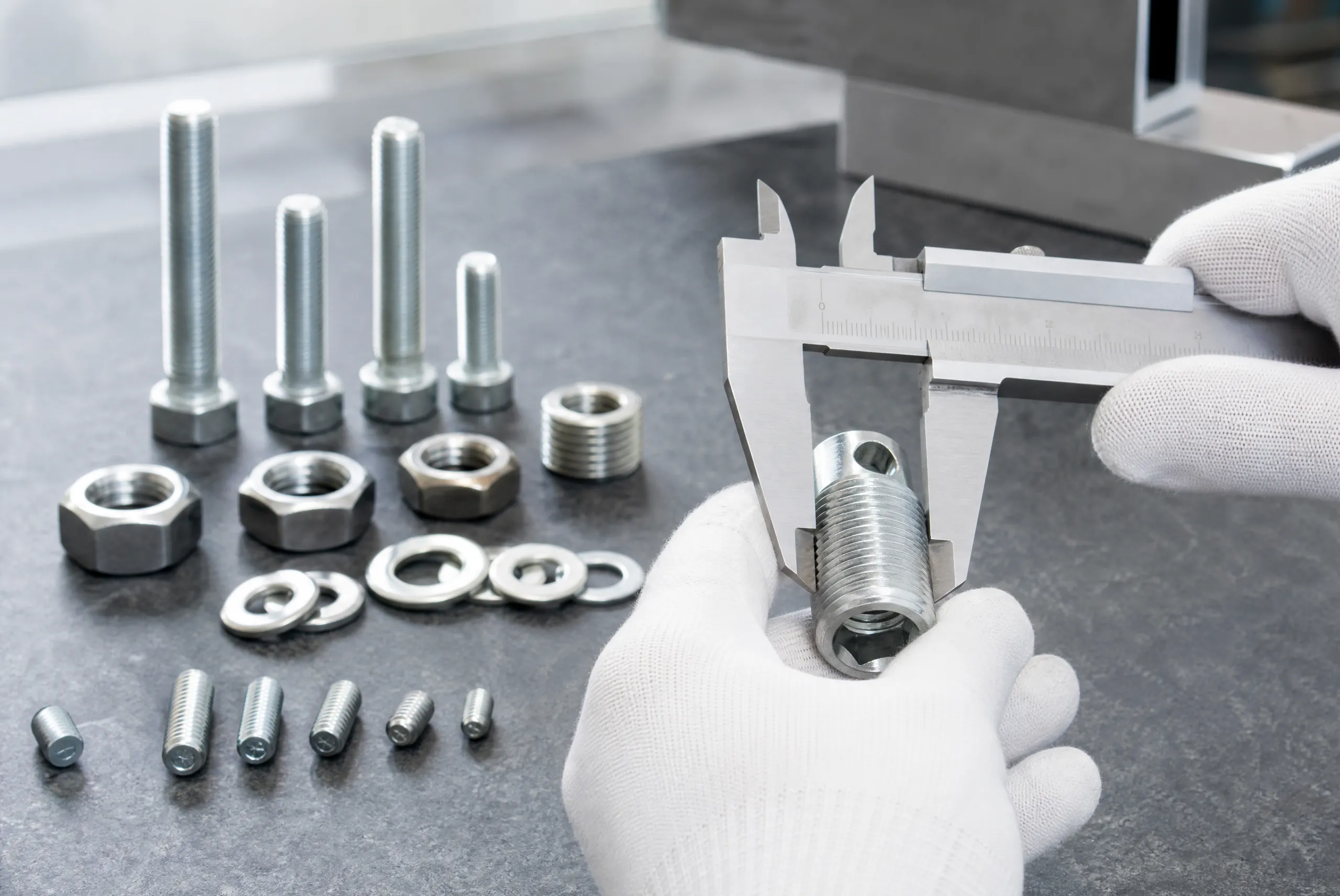
It is very important to check threads. Various instruments such as thread gauge, go and no-go gauge, calipers, micrometers, hardness testers, coating thickness gauge and visual inspection instruments can be used based on the kind of item. The use of assembled mates for custom threads will help in confirming their usefulness in practice.
| Inspection Stage | Main Checkpoint | Buyer Value |
|---|---|---|
| Raw material inspection | Material type, size, surface | Reduces production risk |
| In-process inspection | Dimensions, forming, thread condition | Maintains consistency |
| Thread inspection | Gauge fit, pitch, engagement | Supports reliable assembly |
| Surface inspection | Coating and visible defects | Improves finish control |
| Assembly fit check | Match with mating parts | Confirms compatibility |
| Packing inspection | Quantity, labels, cartons | Reduces delivery errors |
When assessing a supplier, practical issues are relevant, including how the tightness of the threads is checked, how to avoid mixing sizes, how to manage defective parts, and how the inspection records are kept.
Packaging, Labeling, and Delivery for B2B Orders
One of the aspects contributing to product quality in B2B commerce is packaging. Fasteners and screw connections generally use packaging forms, including cartons, bags, inner boxes, bulk packing, and pallets. Distributors must pay attention to labels, bar code labels, item codes and carton markings as well as the influence of consistent packing weight on warehouse operations. Original Equipment Manufacturer (OEM) clients may need special packaging for private labels and the design of special boxes.
The mixed size orders require proper care. Elements such as bolts, nuts, washers, screws, threaded connectors and special parts can seem alike if they are not properly labeled. It is important for buyers to confirm the carton count, gross weight, palleting configuration, markings of shipment, rust resistant packing and size sorting prior to the shipment.
Buyer Guidance for Choosing a Threaded Connector Supplier
Selection of the thread product suppliers should take into account several factors besides just the unit price. Even cheap offers might not be financially reasonable if they bring about thread inconsistency, poor coating characteristics, mixed packing sizes, or problems with repeatability of orders.
Key evaluation points include:
- Technical understandingThe supplier ought to hold a conversation revolving the drawings, threading standards, qualities of materials, surface finishes, tolerances, and usage conditions.
- Manufacturing capability
The supplier should match the required product type, order volume, tolerance, finish, and customization level. - Quality control process
The supplier should explain how materials, dimensions, threads, surfaces, assembly fit, and packaging are inspected. - Supply consistency
For distributors and OEM buyers, stable dimensions, consistent packaging, and clear labeling reduce long-term sourcing risk. - Standard and documentation awareness
If products need to follow ISO, DIN, ANSI, ASTM, UL, or project-specific requirements, the supplier should clarify whether the product is manufactured according to a standard, tested to a standard, or formally certified.
Practical Conclusion for B2B Buyers
Threaded connectors and fasteners may be small components, but they directly affect installation quality, mechanical assembly, inventory management, and maintenance. For electricians and contractors, the main concerns are fit, thread accuracy, and installation efficiency. For machinery, electronics, automotive, and construction buyers, material strength, dimensional consistency, and surface treatment are also important. For distributors and importers, packaging, labeling, repeat order stability, and supplier communication affect the whole supply chain.
A practical sourcing approach is to confirm drawings and standards first, then review material, thread type, surface finish, inspection method, packaging, and delivery schedule. Samples should be tested when the product is customized or when compatibility with mating parts is critical.
FAQ
1. What is a threaded connector used for?
A threaded connector creates a threaded connection between conduit, rods, enclosures, machine parts, or other components. It supports assembly, alignment, and maintenance.
2. What information should buyers provide for a quotation?
Buyers should provide drawings or samples, material grade, thread type, dimensions, tolerance, surface finish, quantity, packaging requirements, and applicable standards.
3. What materials are commonly used?
Common materials include carbon steel, stainless steel, brass, zinc alloy, aluminum, PVC, and engineering plastics.
4. Can threaded connectors be customized?
Yes. Custom options may include special thread design, non-standard dimensions, different materials, surface treatment, logo marking, private-label packaging, and production based on drawings or samples.
5. How is thread quality inspected?
Thread quality is commonly checked with thread gauges, go and no-go gauges, dimensional tools, and assembly fit testing when required.
6. What standards are commonly referenced?
Depending on market and application, buyers may reference ISO, DIN, ANSI, ASTM, UL, or customer-specific standards.
7. Why is surface treatment important?
Surface treatment can improve corrosion resistance, appearance consistency, and handling performance. It may also affect thread fit.
8. How should buyers evaluate a fastener manufacturer?
Buyers should evaluate technical communication, manufacturing capability, quality control, standard awareness, packaging reliability, sample quality, and repeat order consistency.
References
- ISO, Standards for global trade and manufacturing
Official ISO standards page:
https://www.iso.org/standards.html - ASTM International, Standards and technical resources
Official ASTM standards page:
https://www.astm.org/products-services/standards-and-publications.html - ANSI, Standards and conformity assessment information
Official ANSI standards page:
https://www.ansi.org/standards - DIN, German Institute for Standardization standards information
Official DIN standards page:
https://www.din.de/en - NFPA 70, National Electrical Code
Official NFPA standard introduction page:
https://www.nfpa.org/codes-and-standards/nfpa-70-standard-development/70 - UL 514B, Conduit, Tubing, and Cable Fittings
Official UL Standards page:
https://www.shopulstandards.com/ProductDetail.aspx?productId=UL514B