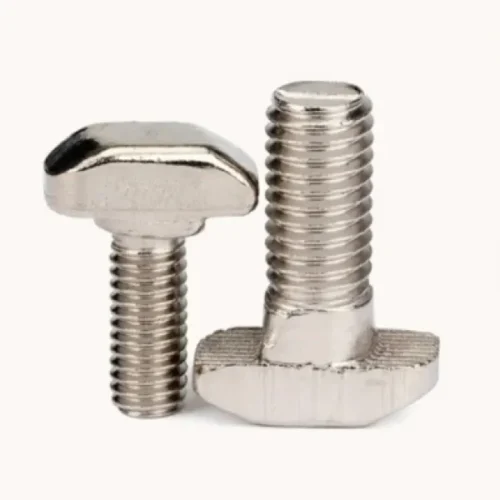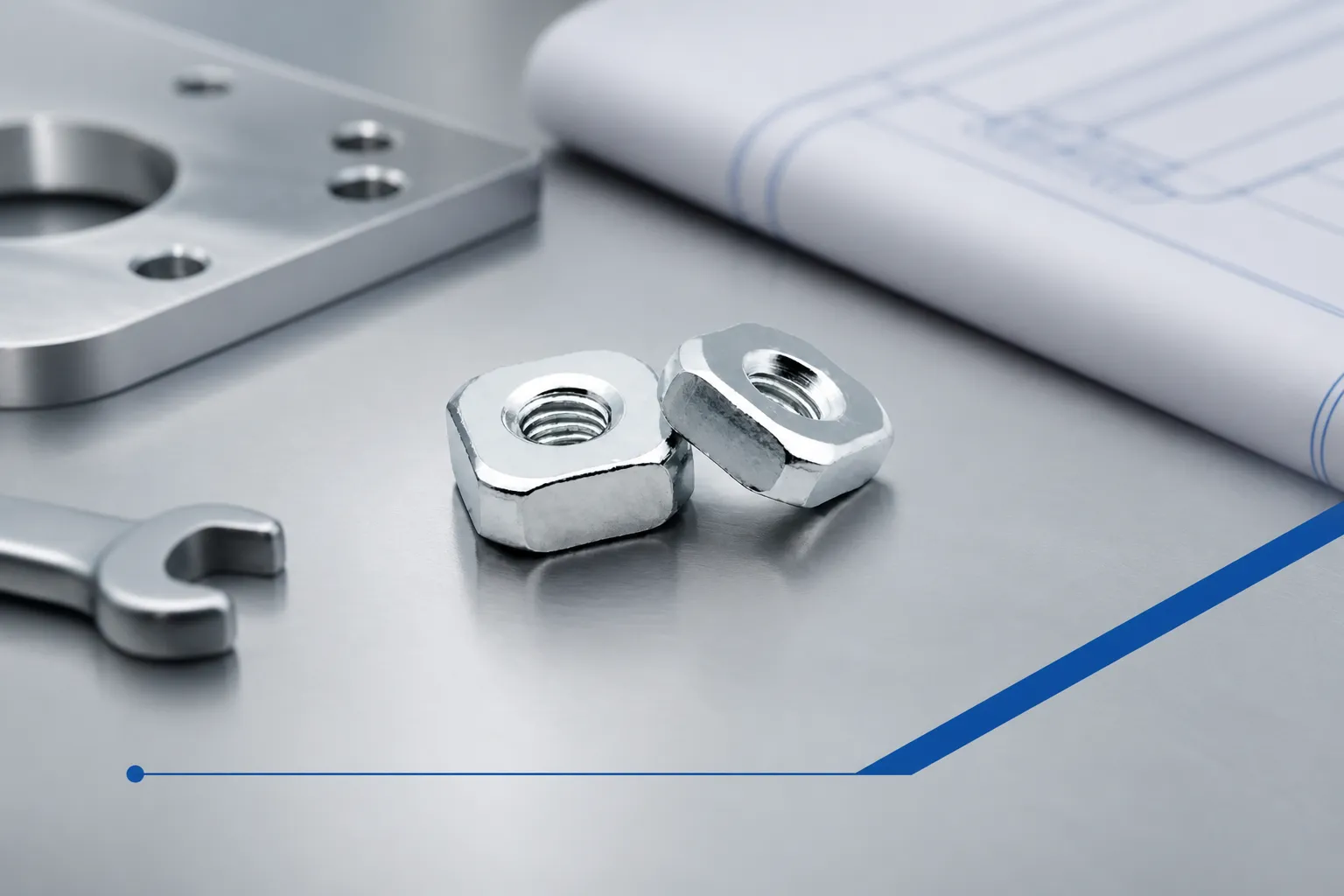
A spring nut is a unique fastening element used in many applications and is found in strut channel systems due to its frequent use in construction and electrical/mechanical engineering. This type of fastening device, made up of a metal nut combined with a spring, creates an adjustable fastening point for attaching fixtures and components securely to one another.
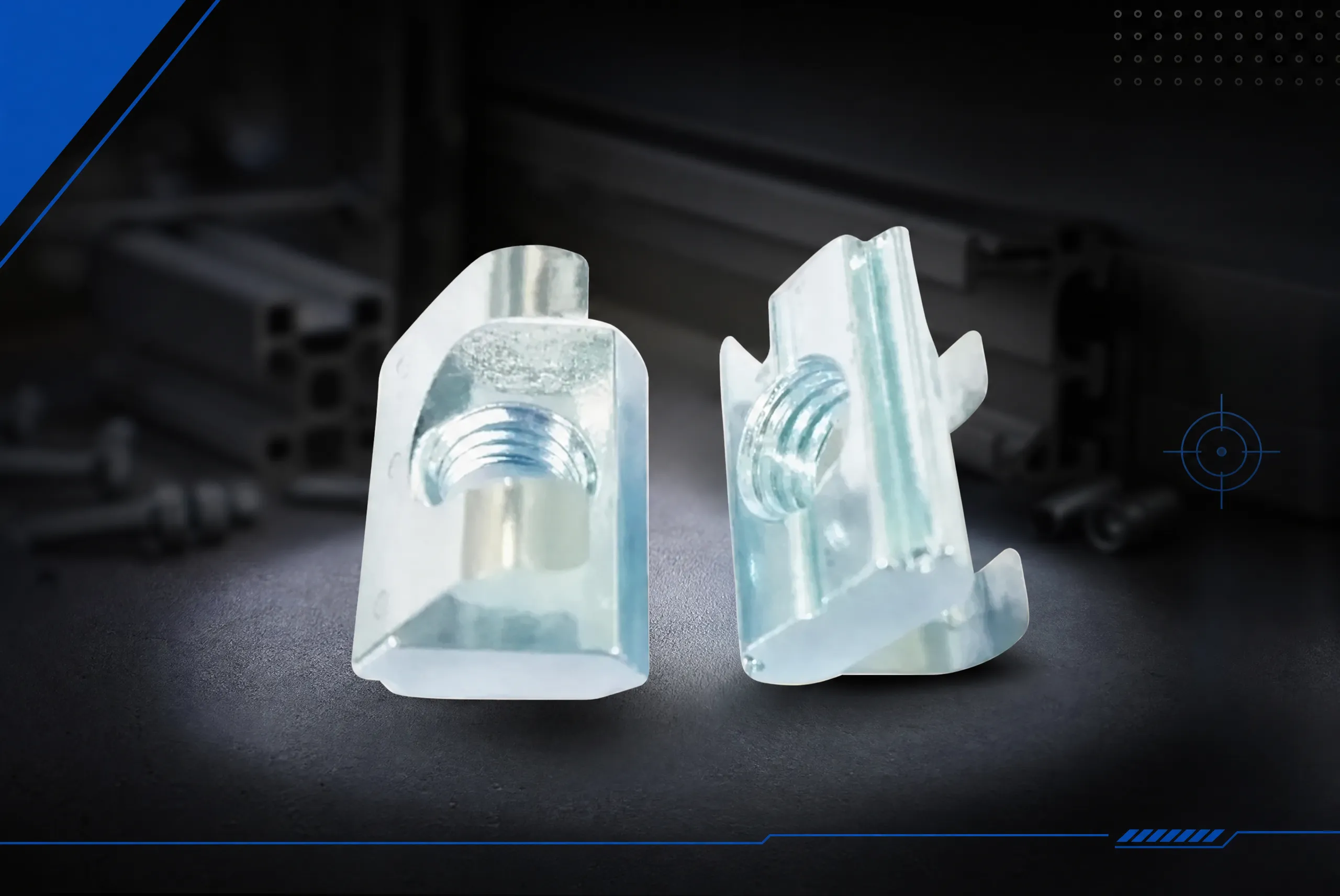
What is a Spring Nut?
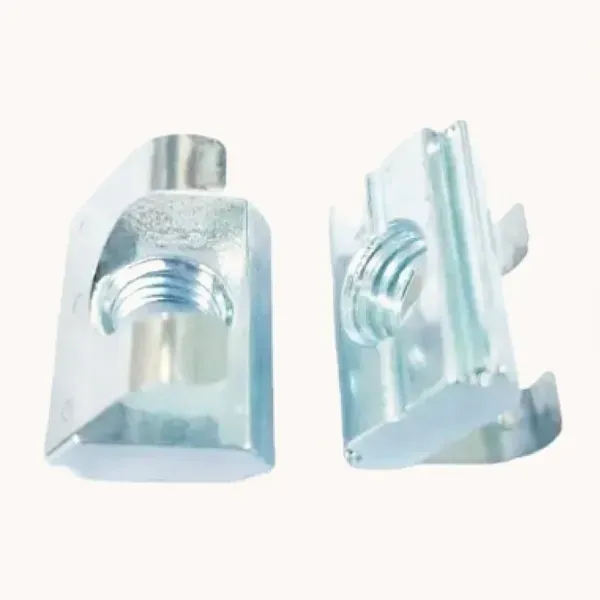
A spring nut is a type of fastener that combines a traditional nut with an integrated spring element. This provides a way for users to create a self-locking connection through the channels of a strut system and gives them the ability to make fine adjustments by means of a spring.
Spring nuts are popular because they provide additional benefits, such as being easy to install, able to be placed in various locations, and providing a strong grip. Generally, spring nuts are manufactured from one type of material—carbon steel; however, spring nuts used in moist areas, areas with high salt content, or any area that will be exposed to corrosives should be made from spring nuts stainless steel in order for the product to hold up as well as not corrode.
The use of spring nuts is widespread and can be found in many industries including HVAC systems, assembly of heavy equipment, electrical systems, and frames for solar panels. They are very versatile, compatible to all different profiles of struts, and are used for projects that require both dependability and adjustability.
Step-by-Step Guide: How to Use a Spring Nut
It’s important to know how to properly use a spring nut to achieve a secure way of connecting two parts together. Follow this guide to get the most out of your spring nuts by ensuring they are permanently installed:
1. Select the Right Spring Nut for Your Project
All spring nuts do not have the same quality, so the selection made shall be the base for an effective assembly or construction. Some items for consideration during the selection of the spring nut are:
- If your project will be subject to wetness, high levels of damp (moisture), or in corrosive type conditions, use stainless steel spring nuts to protect from rusting and deteriorating.
- Ensure that the spring nut matches the width of the channel and the size of the bolts you will be using. Mismatched sizes can cause a loose fit or make it hard to tighten them.
- Check that your spring nut has the correct size and type to match the screws or bolts you will use.
2. Thoroughly Prepare the Strut Channel
In order for the spring nut to grip effectively on the clean surface of the channel, it must be clean and dry. Inspect the channel for grease, dirt, debris, or manufacturing residue; if found, clean the channel with a dry or slightly damp cloth; however, if stubborn residue needs to be cleaned, an appropriate household cleaner should be used and the channel should be completely dry before continuing with the installation.
3. Insert the Spring Nut into the Channel
Angle the spring nut to insert it in one open end of a strut channel. Once the nut has been press-fitted into the channel with a slight compression of the spring, it will fit tightly against the walls of the channel, and the edges of the spring nut will hold on to the inside walls of the channel providing a secure hold. If the spring nut is properly installed, it will resist movement, even when subjected to heavy loads.
4. Align the Fixing Component
After placing the spring nut onto your assembly, position your mounting element (bracket, clamp, etc.) over the channel. Be careful to align the mounting horizontally and vertically so that they are aligned symmetrically and stable. Mounting elements that are aligned improperly may cause inefficiency or fail to maintain the integrity of your assembly.
5. Insert and Tighten the Bolt
Insert a compatible bolt into both the fixing component and also into a spring nut. Hand thread the bolt first to make sure it is aligned with the spring nut’s thread pattern. After positioning the bolt, use either a wrench or a spanner to tighten it up. Turn the bolt in the clockwise direction and use a reasonably sized amount of force; however, do not apply too much force to prevent the associated thread pattern from being stripped or the spring being damaged which will affect the overall integrity of the assembly.
6. Inspect the Assembly
To verify that everything is secure and to ensure safety, check that the spring nut, component, and bolt are also fixed securely and tightened correctly. If adjustment is necessary, loosen the bolt a little, reposition the component and the spring nut, and then retighten the bolt.
Benefits of Using Spring Nuts
What makes springs so commonly used as nuts in many industries such as construction and HVAC installation? We’ll outline some of their primary advantages.
1. Easy Installation: Spring nuts can be installed quickly because there is no need for an additional tool or complex process, meaning they can be installed with fewer steps than conventional nuts. The spring mechanism already holds the nut in position, so the installer does not have to take extra time to hold it in place while installing it.
2. Versatility: There’s a spring nut to meet any project; there is a broad selection of sizes and materials to choose from. Whether your project involves steel or aluminum or a specific type of environment, you will be able to find a spring nut that will suit your needs.
3. Adjustable Positioning: To easily slide or reposition attached items along the strut channel, a spring nut is used. This quality is essential to ensuring proper alignment in projects that require precise adjustment.
4. Corrosion Resistance: Due to their extreme resistance to moisture, stainless steel spring nuts are great for use in outdoor or humid areas.
5. High Durability: These fasteners are designed to endure great amounts of force, which makes them extremely reliable when used in heavy duty application settings.
6. Compact Design: Spring nuts provide slim profiles that allow them to be positioned next to additional components in a tight space without compromising either security or performance.
Common Problems and Solutions
With their ease of use, spring nuts might present you with a few difficulties at times (they’re quite easy to work with). Below are some common issues that could occur and suggestions on fixing those problems.
1. Difficulty in Insertion
In the event that your spring nut is not sliding nicely within its channel, inspect the channel for any deformities or inconsistencies. Often times clearing the channel out or re-aligning any bent edges will fix this problem.
2. Loose Connections
Poorly tightened bolts or incorrect spring nut size usually create loose connections. Verify that the components you are using match each other before attempting to reinstall using proper tools for a secure connection.
3. Corrosion and Rust
In outdoor or high-moisture environments, rust can compromise the durability and effectiveness of your spring nuts. For such applications, using spring nuts stainless steel with high corrosion resistance is crucial. These are built to last longer and remain reliable even in adverse conditions.
FAQs
How to Properly Use a Spring Nut?
The key to using a spring nut properly lies in following the correct steps. Choose the right size and material for your application, clean the strut channel, insert the nut at the proper angle, and secure it by tightening a bolt. Regular inspections after installation can ensure that the spring nut remains in good condition.
How to Tighten a Spring Nut?
To tighten a spring nut, align your fixing component and use a compatible bolt. Thread the bolt into the nut by hand first, and then use a wrench or spanner to apply even pressure. Avoid over-tightening to prevent damage to the components.
Can I Reuse Spring Nuts?
Yes, spring nuts are reusable as long as their threads and spring mechanism are undamaged. Regular inspections for wear and tear are essential to ensure reliable performance during reuse.
Why Are Stainless Steel Spring Nuts a Preferred Choice?
For environments exposed to moisture, chemicals, or extreme weather, stainless steel spring nuts are ideal. Their anti-corrosion properties guarantee longevity and dependability, even under harsh conditions.
What Are the Different Types of Spring Nuts?
Spring nuts come in several types, differentiated by their materials (such as stainless steel or zinc-plated steel), shapes (flat vs. curved), and thread specifications. Some models are designed for specific strut channel profiles, so ensure you choose a type that matches your system’s requirements.
The spring nut is a small but indispensable component for strut channel systems, offering strength, adjustability, and ease of installation. Its design not only simplifies construction tasks but also ensures long-term reliability in a variety of environments. By carefully selecting the material, ensuring proper use during installation, and making necessary adjustments, you can optimize its effectiveness for your projects. Whether you’re using a standard spring nut or a premium stainless steel spring nut for more demanding applications, this fastener is a simple yet powerful solution that embodies efficiency and reliability in modern assembly systems.