When building a beautiful and functional wooden structure, one of the most important things is to use the right tools and materials. Woodworking fasteners are one of these materials and are a crucial part of making your project durable and accurate. Learning how to use these fasteners can greatly improve your woodworking experience, regardless of your skill level. Throughout this article, we will discuss what woodworking fasteners are, how they are used, the different types of fasteners available, and how to choose the right fasteners for your woodworking projects.

What Are Woodworking Fasteners?
Simply put, a woodworking fastener is any type of hardware used to join two or more pieces of wood together in a secure way. These small parts are often overlooked but are one of the most important components for creating furniture, cabinetry, or any other wooden item. Without quality woodworking fasteners, your project will eventually fall apart—regardless of how well-made or how good looking it is.
Woodworking fasteners play an important role because they provide structural integrity to the project’s components. Depending on the type, woodworking fasteners will also give your project added stability, resistance to wear and tear, and longevity. Using the proper woodworking fasteners will help prevent materials from splitting, cracking, or loosening when they are subjected to excessive amounts of stress.
The Most Common Types of Woodworking Fasteners
There are many different types of woodworking fasteners, and not all fasteners are created equal. Each project will provide you with its own unique set of challenges depending on the type of lumber that you are working with, and there are numerous types of fasteners available for each of those unique challenges. Here is a list of some of the most common types of woodworking fasteners used in woodworking:
1. Screws
Fasteners made of screws are one of the most commonly used and capable fasteners available today. They are manufactured with different lengths, threads, and head types; therefore, making them appropriate for a vast array of purposes. An example of this type of fastener is the wood screw which has been specially engineered for attachment to wooden materials (they will hold tightly and help to prevent splitting), as well as the self-tapping screw used in products that should be fastened in place with precision and ease of use.
2. Nails
Nails have been used in the profession of woodworking for many years. They can be used in a variety of applications (for example, there are brad nails that can be used in trim work, framing nails that can be used in bigger jobs, etc.). Although they do not offer the same level of security as screws, they are quick to use and effective for temporary or lightweight construction.
3. Bolts and Nuts
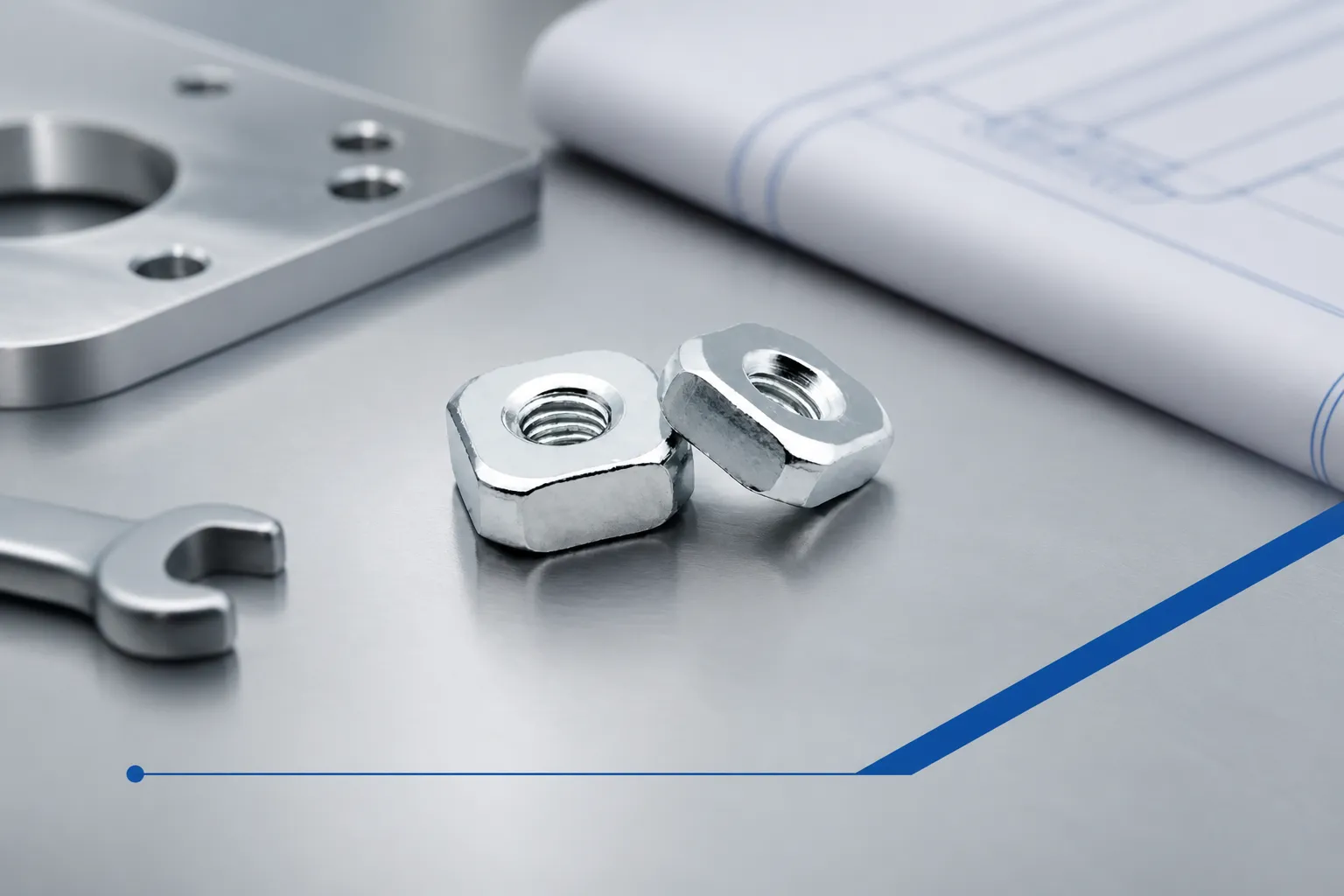
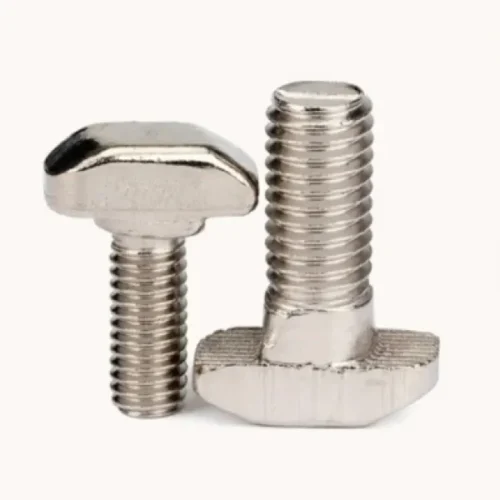
Bolts and nuts offer a very heavy-duty type of fastener that can be used in larger woodworking projects. These fasteners can be used in construction for structural purposes, such as for frames, or in assembling larger pieces of furniture. Commonly used in wooden decks or benches, carriage bolts are an example of this type of fastener.
4. Dowels
In fine woodworking, dowels are generally used to create strong and invisible joints. Dowels are a cylindrical piece of wood or composite material and they require the use of glue or adhesive to bond. Furniture makers use dowels frequently for their aesthetically pleasing joints and for their ability to create strong, seamless connections.
5. Wood Glue and Adhesives
Although wood glue and adhesives are not typical fasteners, they contribute to the integrity of the final product through the use of bonding agents. Whenever fasteners are used together with screws, nails, and dowels, they will give strength to the overall assembly and aid in providing a clean, flush finish to your project.
How to Choose the Right Woodworking Fasteners
To determine which fasteners will work best for a specific woodworking project, you will want to take into consideration the following factors:
– Type of Material: For example, softer woods such as pine need screws or nails with a larger head so the fastener does not work itself loose, while hardwoods generally require pilot holes in order to prevent splitting.
– Match Fastener/Lift Capacity: When fastening heavier objects such as furniture together, you should use a lag screw or bolt, whereas lighter objects like picture frames will only require the use of brad nails.
– Environmental Factors: When determining which fasteners to use on projects that will be exposed to water or outside weather conditions, you should choose stainless steel or coated fasteners to avoid rust and corrosion.
When to Use Additional Reinforcements
There may be times when fasteners alone are not adequate for holding together a project due to the weight or frequency of use on the object(s) being assembled. Reinforcements can significantly strengthen your woodworking projects. Some examples of types of reinforcements include:
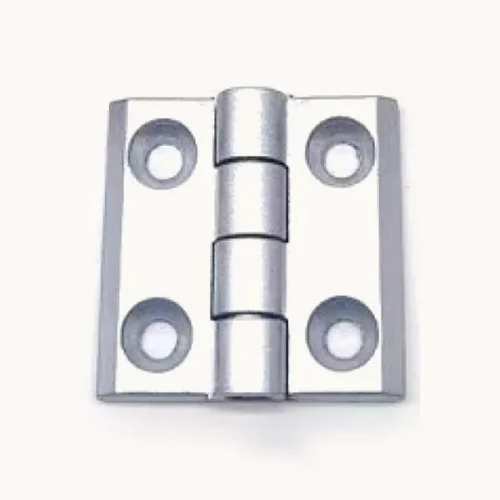
– Corner Braces: A type of metal bracket that is used to support corner joints in furniture, shelf, or frame assemblies; essentially an additional point of stability.
– Pocket Hole Screws: An ideal option when creating invisible joints within cabinets or furniture.
– Clamps: Temporary fasteners that hold pieces together while they are glued or assembled.
FAQs About Woodworking Fasteners
1. What Are Woodworking Fasteners?
Woodworking fasteners are tools such as screws, nails, bolts, and adhesives, used to join pieces of wood or secure them in place. They are essential for building durable and stable wooden structures.
2. Why Are Woodworking Fasteners Important?
They are crucial for adding structural integrity to woodworking projects, ensuring stability and longevity, and preventing damage like splitting or loosening in the long run.
3. What Types of Woodworking Fasteners Are There?
The most common types include screws, nails, bolts with nuts, dowels, and various adhesives. Each type serves a specific purpose depending on the project’s requirements.
4. Can I Use Wood Glue Instead of Fasteners?
While wood glue can provide strong bonds, it’s best used in combination with other fasteners like screws or nails for optimal strength and durability.
Selecting the correct woodworking fasteners will make or break your woodworking project. By understanding the various types of woodworking fasteners available and their specific uses, you will be able to ensure that your creations are both aesthetically pleasing and long-lasting. Your use of traditional screws/nails, or newer composite adhesive/dowel systems, applied together as described will advance your woodworking to a new level of durability and beauty. Whether you are building a general shelf or crafting intricate furniture, remember that incorporating quality woodworking fasteners into your project is key to achieving a successful project!