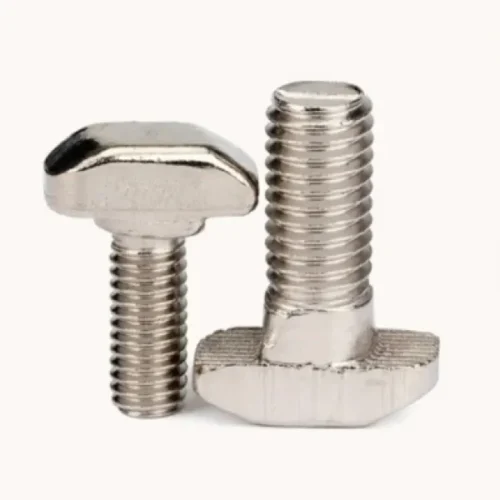
Dzus fasteners are widely used in industries such as motorsports, aviation, and custom fabrication due to their quick-release capability. Known for their durability and sleek design, they enable secure attachment and effortless removal of panels or components. This guide provides a comprehensive step-by-step process for installing Dzus fasteners, along with helpful tips and insights.

The Dzus Fastener (Quarter-Turn) Fastener
Also referred to as quarter-turn fasteners, Dzus fasteners are locking devices that function via a combination of two components: a stud and a spring. With just a 90-degree twist, the stud locks securely into place, making them ideal for applications requiring frequent assembly and disassembly. Common uses include attaching aircraft panels, race car bodywork, and motorcycle fairings.
How To Install A Dzus Fastener?
While the process may initially seem complicated, installing Dzus fasteners can be straightforward with the right tools and guidance. Follow these steps for a successful installation:
Step 1: Gather Tools & Materials
Ensure you have the following tools and materials on hand: – Dzus fasteners (Studs, Receptacles, Springs) – Dzus fastener size chart (for correct sizing) – Drill and appropriate drill bits – Rivets or screws – Rivet gun – Screwdriver and wrenches – Measuring tape or ruler The size chart will help you select the appropriate fastener size matching the thickness of your panel for precise installation.
Step 2: Measure and Mark Fastener Locations
Decide the exact placement of the fasteners. Proper spacing is essential for achieving a secure fit and correct alignment: – Generally, a spacing of 3 to 5 inches is sufficient for structural integrity. – Use a pencil or chalk to mark the locations for accuracy. For thinner panels, closer spacing is advised, while thicker materials can accommodate wider spacing.
Step 3: Drill Fastener Holes
Drill carefully at each marked location: – Drill a hole for the stud in the panel that will hold the Dzus fastener. – Drill a corresponding hole for the receptacle in the underlying frame or second panel. Referring to the size chart will help determine the correct drill bit size.
Step 4: Receptacle Installation
Position the receptacle in its designated spot and firmly secure it using rivets or screws to avoid any movement.
Step 5: Spring Installation
Incorporate a spring if required, as it provides the necessary tension to hold the components together securely.
Step 6: Stud Insertion
Insert the stud through the panel and align it with the receptacle and spring. Test the fit by pressing the stud and rotating it 90 degrees to ensure it locks properly.
Reasons to Choose Dzus Over Screws
Dzus fasteners offer several advantages over conventional screws: – Speed: They allow for quick installation and removal, ideal for time-sensitive operations like race pits or repairs. – Consistency: They provide a uniform clamping force without the risk of overtightening. – Appearance: Their flush-mounted design enhances the overall aesthetic of the project. For applications requiring repetitive panel handling, Dzus fasteners are a more practical and visually appealing choice compared to screws.

Functionality of Dzus Fasteners
The mechanism of Dzus fasteners is straightforward. The stud, with its uniquely shaped head, fits into a spring-loaded receptacle. Turning the stud 90 degrees secures it in place, while the spring’s tension holds it tightly despite vibrations or movements, ensuring reliability.
Tips for Properly Installing Dzus Fasteners
– Use a template to align fasteners accurately and maintain consistent spacing.
– Opt for stainless steel fasteners in corrosive or high-moisture environments.
– Double-check your measurements, especially for custom or uneven panels, to avoid misalignment.
Commonly Asked Questions
How far apart should Dzus fasteners be?
Typically, spacing ranges from 3 to 5 inches, depending on the thickness and type of material. Lighter panels may require closer spacing to ensure stability, while heavier materials allow for wider spacing.
Are Dzus fasteners a better option than screws?
Yes, for applications requiring frequent access or quick panel removal, Dzus fasteners are superior to screws. They provide consistent clamping force, offer better aesthetics, and simplify repetitive assembly and disassembly. However, screws may suffice for static applications.
How does a Dzus fastener work?
Dzus fasteners employ a quarter-turn mechanism. The stud is pressed into the spring-loaded receptacle and secured by turning it 90 degrees. The spring provides tension to ensure the stud remains tightly locked, even under stress from vibrations.
What tools are needed to install Dzus fasteners?
Essential tools include a drill, rivet gun, screwdriver, and measuring tape. You’ll also need Dzus fastener components (stud, receptacle, and spring) and a size chart to ensure compatibility with your materials.
Can Dzus fasteners be installed on curved surfaces?
Yes, they can be installed on curved surfaces. Flexible receptacles or springs designed for curved panels may be required to achieve proper alignment and tension.
Dzus fasteners make assembling and disassembling panels remarkably convenient and efficient, especially for projects requiring frequent access. By adhering to this guide’s instructions and tips, you can achieve a polished and professional installation. Whether determining the right size using a chart or evaluating the benefits over screws, your informed choices will influence your project’s outcome and durability. With adequate preparation and the proper tools, you can experience the superior performance and convenience that Dzus fasteners provide.