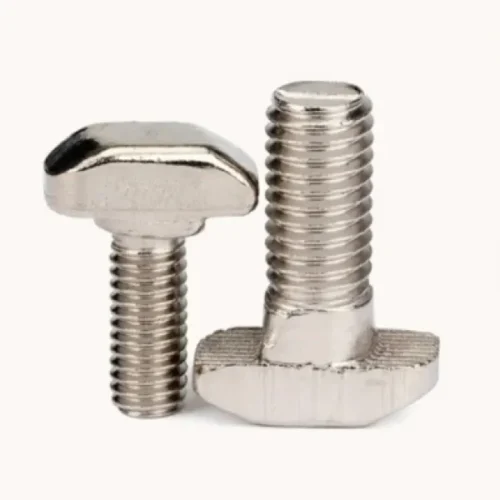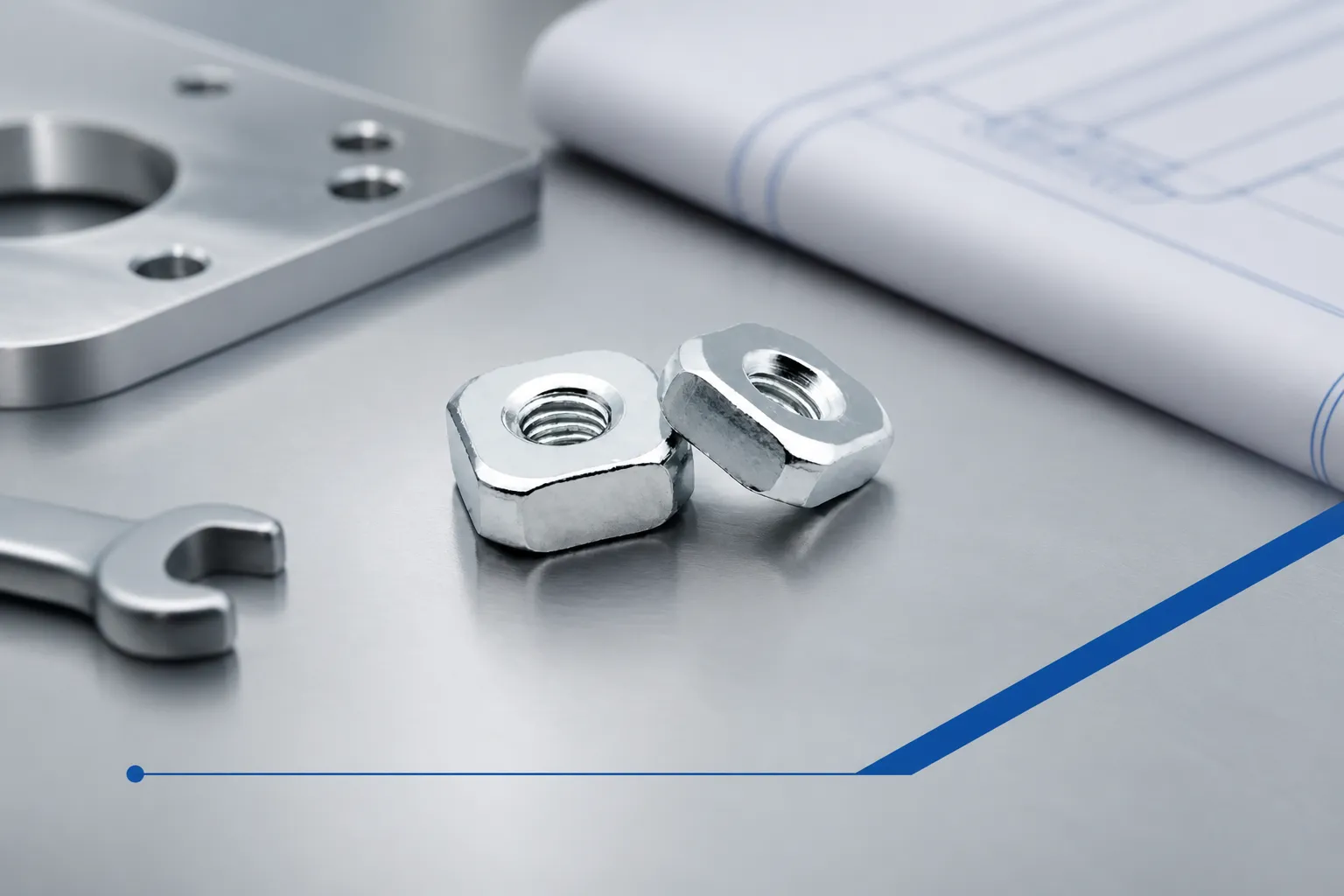
High-quality metric fasteners used in industrial, automotive, and construction applications are very important and require good knowledge on how to designate their strength. These fasteners are regulated by standardized systems that provide reliable performance in specific applications. Understanding their grading designation will make choosing the correct fastener when using suppliers of metric bolts, buying bulk metric screws, or working with metric screws and bolts much easier. Let’s look at how we designate and label metric fasteners by using their strength characteristics.
Metric Fasteners Have Standardized Grading Systems
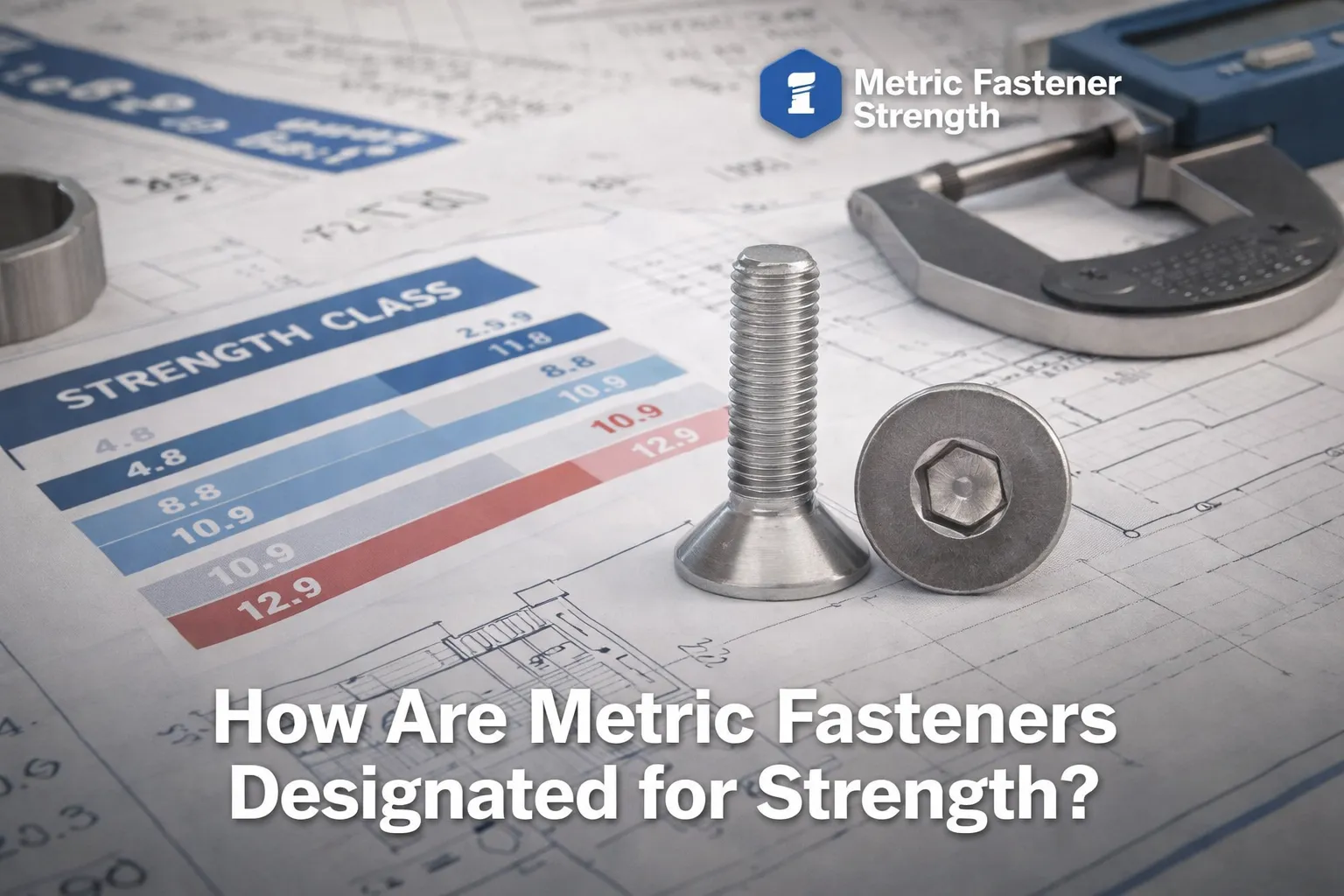
The International Organization for Standardization (ISO) establishes a single grading numbering system for all fasteners using multipliers with two digits. The first number designates the nominal tensile strength of the fastener in megapascals (MPa) and the second number designates the yield strength in percentage of the tensile strength. In other words, a metric fastener that has an 8.8 grade would have a nominal tensile strength of 800 MPa as indicated by the first number. In addition, since the last digit indicates a percentage of 800 MPa for yield strength, then the yield strength of the fastener would be 660 MPa (800 MPa times 0.83). When measuring yield point for a fastener with a GRADE 8.8 fastener would produce a value of 640 MPa, and this is what 80% of tensile load yields on fastener products.
This is an important method because it allows all different types of fasteners to perform under the same high-quality standards, and for users to choose fasteners that provide adequate performance for their particular application.
Grading of Fasteners for Strength
There are a number of standard practices that have been developed and implemented to establish strength and integrity testing of fasteners. Fasteners need to be tested in accordance with ISO standards that water fixturing specifications exist for all metric bolts and screws to create a standard of measurement across all industries. Test results are generally recorded as follows:
- Testing to Determine Yield Point in Fasteners by Load: Yield point is defined as the maximum load-bearing capacity before a fastener fails.
- Measuring Points to Determine Yield Point by Yield Load: Yield load is the amount of force (in pounds or newtons) needed to cause a deformation or permanent elongation of a fastener.
- Measuring Hardness Levels: Hardness levels are a determination of a material’s ability to resist compressive and deforming loads along a fastener’s surface.
Manufacturers following ISO rules will ensure their fasteners are capable of performing as anticipated when subjected to extremes, such as high light and high-temperature conditions, and within corrosive environments.
Common Fasteners Grades
When using metric-based fasteners, you will frequently find a number of fasteners that were made to meet the specifications established for various applications. A common grade of fasteners is Grade 8.8, which is a medium-strength fastener and is generally used in automotive and construction applications. Grade 10.9 fasteners are high-strength fasteners commonly used in heavy machinery, metal fabrication, and load-bearing applications. Grade 12.9 fasteners provide superior tensile and yield strength and are mainly used in high-performance applications such as aerospace and heavy-duty construction. By understanding the differences in each grade, buyers can determine which fastener will work best for their project and will reduce overloading of hardware and/or premature hardware failures.
How to Buy Metric Fasteners
The following are practical tips when searching for metric fasteners:
- Buy from Certified Suppliers: Ensure the supplier is ISO certified to get reliable products.
- Buy in Bulk: If you need fasteners for an industrial-scale project, buying bulk metric screws will save you money while still receiving quality products.
- Verify the Compatibility of Materials: Make sure the fastener’s material is appropriate for its application (e.g., stainless steel for corrosion resistance, alloy steel for high strength).
Working with trusted suppliers and properly choosing the right fasteners will maximize the performance of the product as well as the cost-effectiveness of your project.


FAQs
How are metric fasteners rated for strength?
Metric fastener ratings are determined by the tensile and yield strength and are identified by a two-digit code (e.g., “8.8” or “10.9”). These ratings are established through extensive testing to support their conformance to ISO standards.
Which metric fastener has the highest strength?
Grade 12.9 fasteners provide the highest level of tensile and yield strength of all three grades of metric fasteners, and therefore are best suited for high-performance applications.
Where can I find and buy metric screws and bolts?
Specialty suppliers and manufacturers who conform to ISO standards are where you can get metric fasteners. Bulk purchasing can also provide monetary savings as well as ensure quality of product.
It is important to understand how metric fasteners are classified by strength to properly select the right fastener for your projects. Knowing the classification of fasteners, common classifications, and key purchasing criteria will ensure you purchase the best fasteners appropriate to your application.
When working with metric bolt suppliers or doing bulk metric screw purchasing, these principles will help save you time, energy, and money while, at the same time ensuring the safety and energy efficiency of your projects.