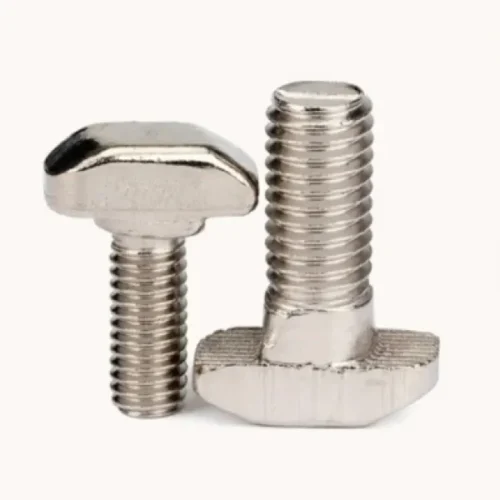
Choosing the appropriate fastening system in the construction and manufacturing industries is vital for ensuring the stability and durability of structures. One of the strongest methods available today for driving steel pins is using a specialized fastening system designed to securely join materials swiftly and efficiently. This article covers the features and functionality of such fastening systems while addressing common concerns potential buyers may have.

Understanding the Steel Pin Fastening System
The steel pin fastening system is specifically engineered to allow rapid and effective attachment of materials to concrete, steel, or masonry surfaces. Typically, this involves using either powder-actuated tools or gas-actuated nailers, both of which drive steel pins into the substrate with precision and force.
How Does a Steel Pin Fastening System Work?
The powder-actuated system works by utilizing a small explosive charge to propel the steel pin at high speeds through the material and into the substrate. This method is ideal for heavy-duty applications such as fastening metal tracks for drywall frames or securing wood to concrete.On the other hand, the gas-actuated system uses a fuel cell to create similar results. This option is favored for quieter and cleaner operations and works without relying on an electrical source or air compressor.Both systems provide varying degrees of power and effectiveness depending on the material type and thickness involved. However, the overall aim is to produce robust, enduring connections.

Benefits of Steel Pin Fastening Systems
1. Speed: Fastening systems significantly reduce installation time compared to traditional methods like drilling and screwing, thereby decreasing labor costs.
2. Strength: The strong construction of steel pins and their deep embedding into substrates ensure exceptional holding power.
3. Versatility: A variety of steel pin types cater to different materials and applications, making these systems highly adaptable to diverse project needs.
4. Safety: Modern fastening systems include user safety features such as trigger locks and safety switches.
How Steel Pins Grip
The secure hold of steel pins is a result of their distinctive designs coupled with the force applied during installation. Many steel pins feature textured or helical shanks, which maximize surface contact and friction for a tight and lasting grip. Combined with the impact delivered by the fastening tools, this ensures a reliable hold.
Choosing Complete Fastening Systems
Selecting the right fastening system requires thoughtful consideration of the project’s unique demands. Factors like the type of substrate, environmental conditions, and load requirements play a crucial role in determining the best tools and pins. Consultation with manufacturers or suppliers in the field can help ensure the selection of optimal products tailored to your specific needs.
Frequently Asked Questions
How does a steel pin fastening system work?
A steel pin fastening system operates by employing either powder-actuated or gas-actuated technology to drive steel pins into a substrate. This approach offers a secure and efficient means for attaching construction materials.
What makes steel pins grip effectively?
The design of steel pins, featuring textured or helical shanks, enables them to maximize surface contact and friction during installation, ensuring strong and durable bonding.
Using the right fastening system for steel pins is essential for achieving optimal outcomes in construction and manufacturing projects. With their speed, strength, and adaptability, steel pin fastening systems stand out as superior choices. Carefully evaluate project requirements and choose systems that best suit your needs to ensure the durability and reliability of your structures, leading to successful project completion.