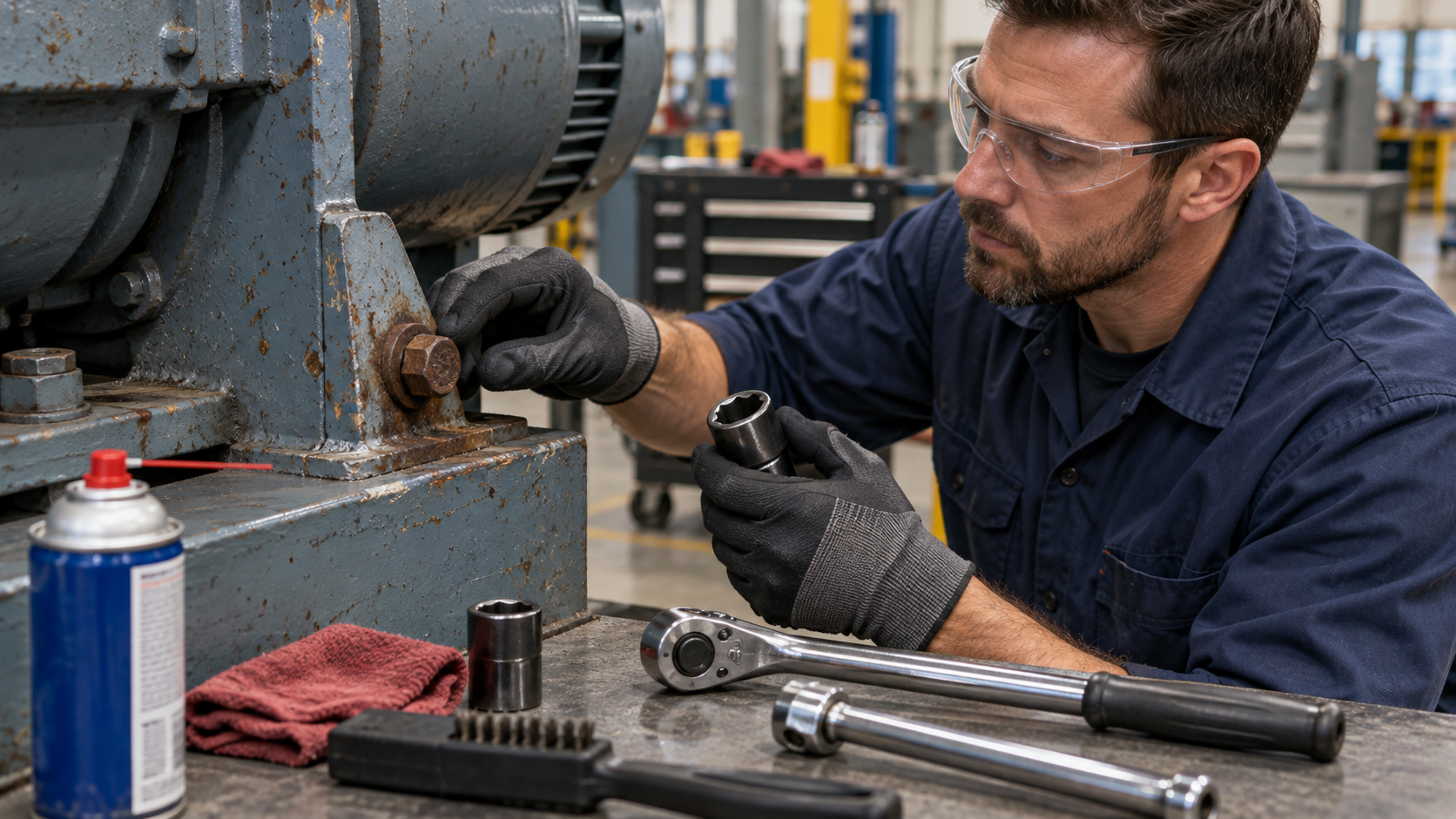
A maintenance engineer in Ningbo swapped corroded mounting hardware on an outdoor equipment frame for a bright-finish T-nut, but orange rust staining came back after the first wet run. The issue wasn’t a defective nut — it came down to trapped chlorides, a carbon-steel mating part, and an unspecified alloy grade.
Why do stainless steel t nuts retain corrosion resistance in service?
Stainless steel t nuts depend on chromium to form a thin, adherent oxide film. If the surface is clean and oxygen can reach it, minor mechanical damage can repassivate. That mechanism is why a suitable stainless grade can outperform plated carbon steel in wet indoor or outdoor work, although it does not make the component immune to every chemical environment.
The commonly specified 304 family is a practical general-purpose choice for many indoor and mild outdoor assemblies. The 316 family typically includes about 2% molybdenum, which improves resistance to localized pitting in chloride-bearing conditions. Crevices beneath a flange, pooled wash water, and salt deposits remain important because they can limit oxygen and concentrate corrosive species at the same time.
Finish and handling matter. Iron transfer from carbon-steel tooling, welding debris, or shop dust can create surface staining that is mistaken for stainless failure. A procurement specification should identify the alloy or material designation, thread size, forming style, and cleaning or passivation expectation where the application warrants it.
T-nuts create a reusable threaded point in wood, composite panels, extrusion profiles, and formed assemblies. Their corrosion performance is not a single material promise: moisture chemistry, oxygen access, surface contamination, preload, and contact with dissimilar metals all change the result. The useful purchasing question is therefore not simply whether a T-nut is stainless, but whether the selected grade and assembly design suit the exposure.
How should stainless t nuts be matched to the exposure and joint design?
Stainless t nuts perform best when the joint sheds water, avoids persistent deposits, and uses compatible mating hardware. A recessed pocket that remains wet after washdown is more demanding than an openly ventilated frame in the same building. Likewise, chloride exposure from coastal air, road salt, cleaners, or process splash calls for a more deliberate material decision than dry office equipment.
Galvanic corrosion is an assembly issue: when unlike metals are electrically connected and an electrolyte is present, the less noble material can corrode faster. Isolation washers, coatings, drainage, and a compatible bolt-and-nut combination may reduce risk. Designers should also avoid over-tightening formed T-nuts; excessive deformation can damage the substrate or make removal and inspection costly.
Why must stainless steel t bolts and T-nuts be evaluated as one assembly?
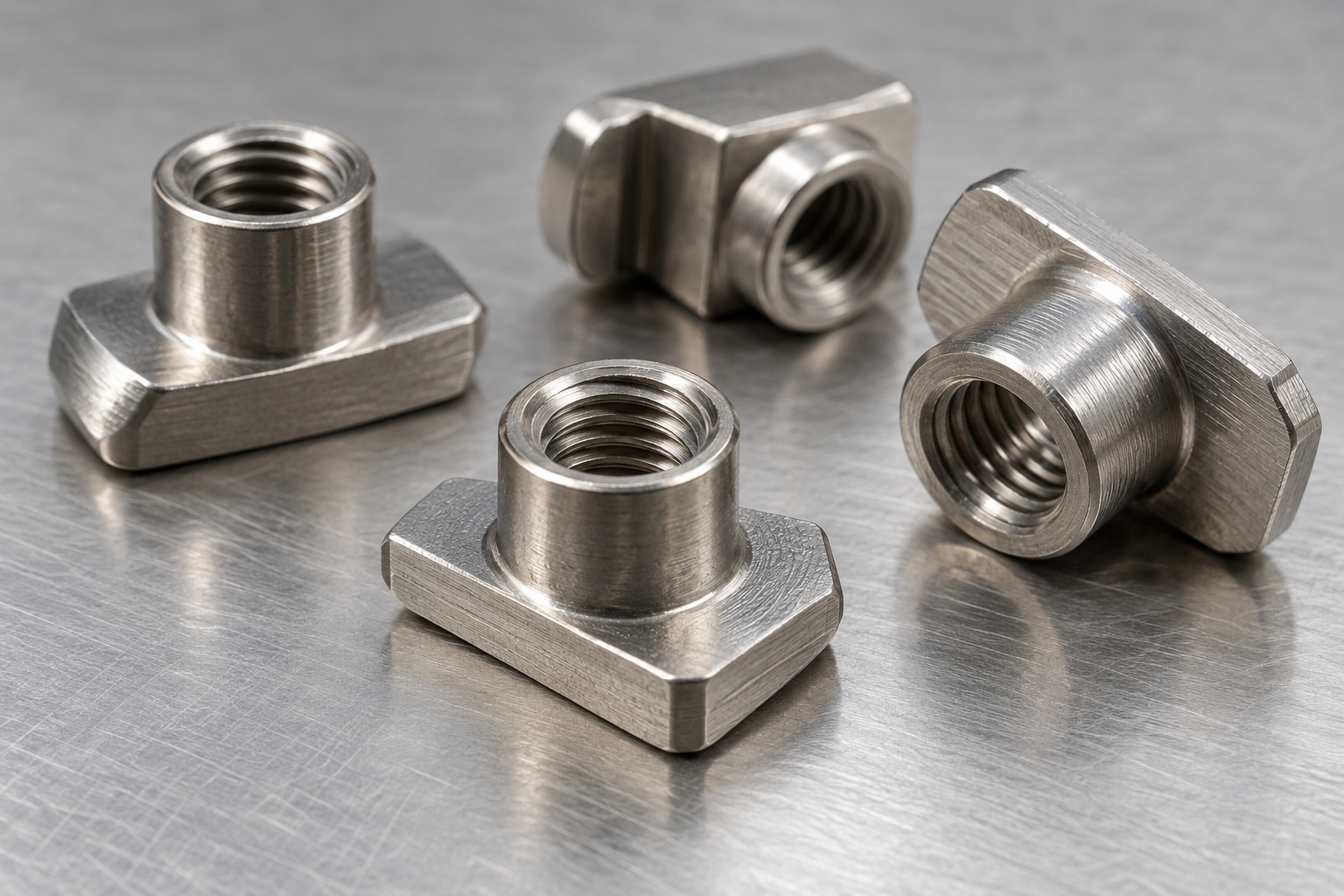
Stainless steel t bolts and their receiving nuts should be reviewed as a system. Thread geometry, lubricant, preload, and alloy pairing affect both corrosion behavior and installation reliability. Stainless threads can gall under load, particularly where fasteners are assembled dry at speed; controlled lubrication and appropriate tightening practice can be more valuable than simply increasing torque.
Thread engagement is also a cost-control issue. An insufficiently engaged nut can strip or loosen, while an oversized or wrongly formed component can damage a panel before it reaches the field. The hidden cost is not only replacement hardware; it includes rework, downtime, inspection, and claims investigation. An illustrative calculation for a maintenance team should include labor time, access equipment, and production interruption, not just the unit cost of a replacement nut.
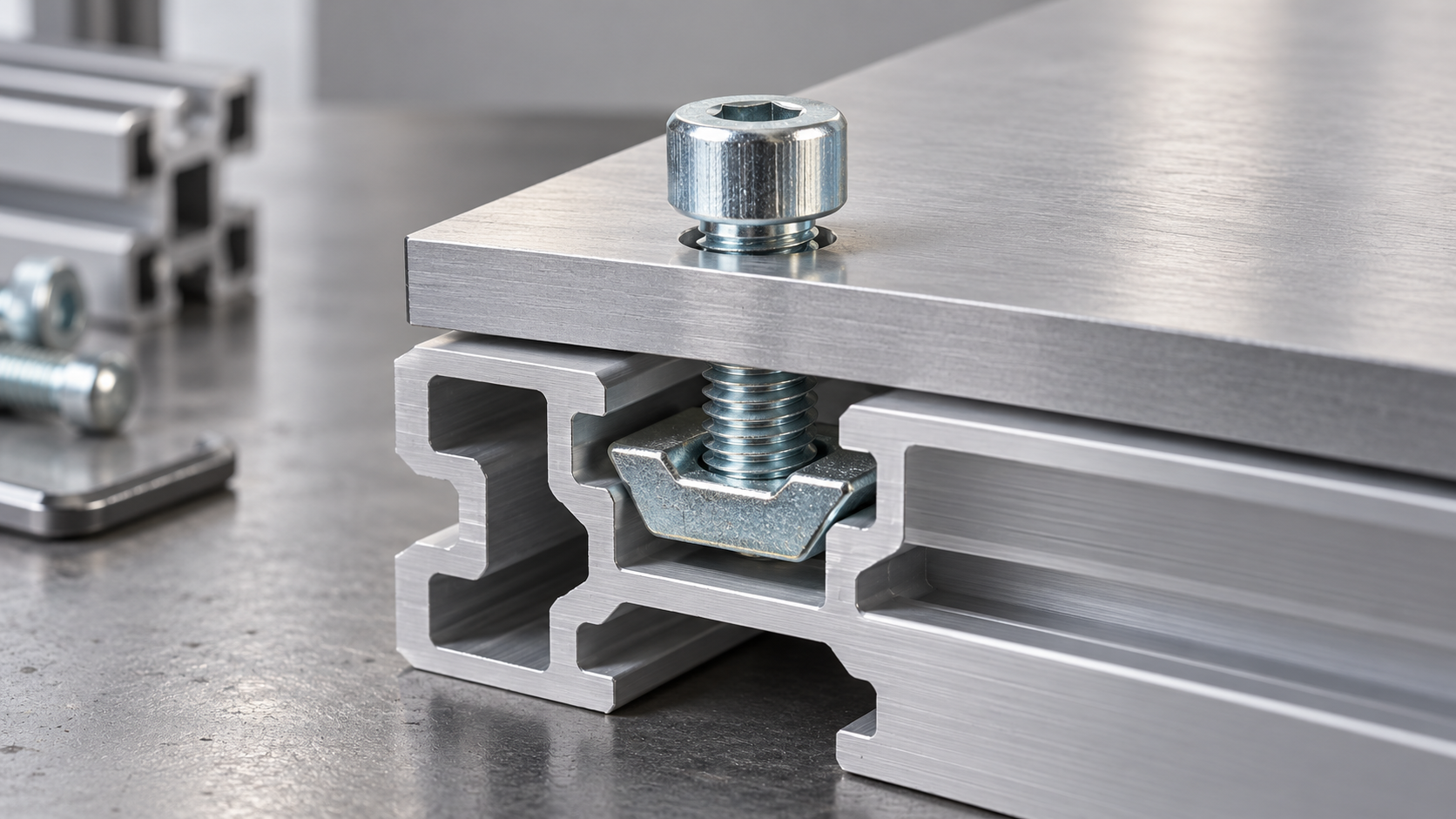
For extrusion or adjustable framing, buyers can compare an appropriate hammer nut for profile assembly with a slide-in economy T-nut or square nut according to access direction and load path. The choice should follow the drawing and installed configuration rather than a visual resemblance to another T-nut style.
How can buyers specify stainless steel t nuts with fewer surprises?
- Define the environment in operational terms: indoor or outdoor, wet time, chloride sources, chemical contact, temperature, and cleaning routine.
- State the required alloy or agreed material designation, thread, flange or prong geometry, substrate, and acceptable surface condition on the drawing or purchase order.
- Identify the mating bolt, washer, panel, and coating so galvanic exposure and galling controls can be reviewed before installation.
- Request only the documentation and test evidence that the application requires, with the test method, samples, acceptance criteria, and reporting format defined in advance.
- Validate a representative assembly when failure consequences or exposure severity make assumptions expensive.
Qiyi Fastener can support buyers who need a defined T-nut configuration, dimensional discussion, and sourcing communication tied to the intended assembly. For positioning and vibration-sensitive applications, review the T-nut with spring ball option alongside the actual profile and loading conditions.
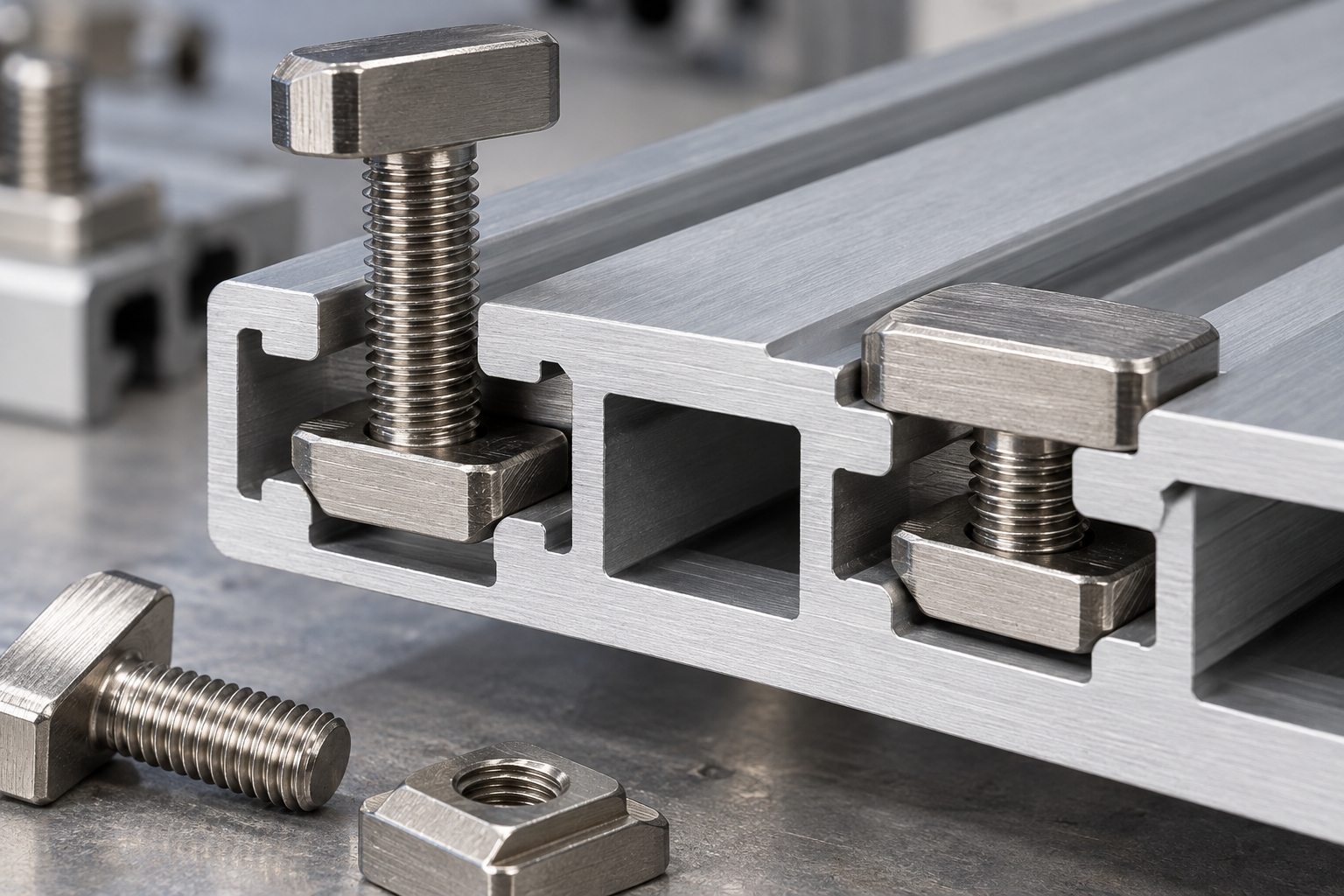
Review the bolt, nut, profile, loading, and moisture path together rather than specifying one item in isolation.
Frequently asked Questions
What Is the Difference Between 304 and 316 Stainless Steel T-Nuts?
304 offers general corrosion resistance; 316 adds molybdenum for better chloride-related pitting resistance.
Neither grade suits all wet or chemical environments. Provide exposure, cleaning chemicals, temperature and crevice conditions to base material choice on service, not generic labels.
What Is the Difference Between 3-Prong and 4-Prong T-Nuts?
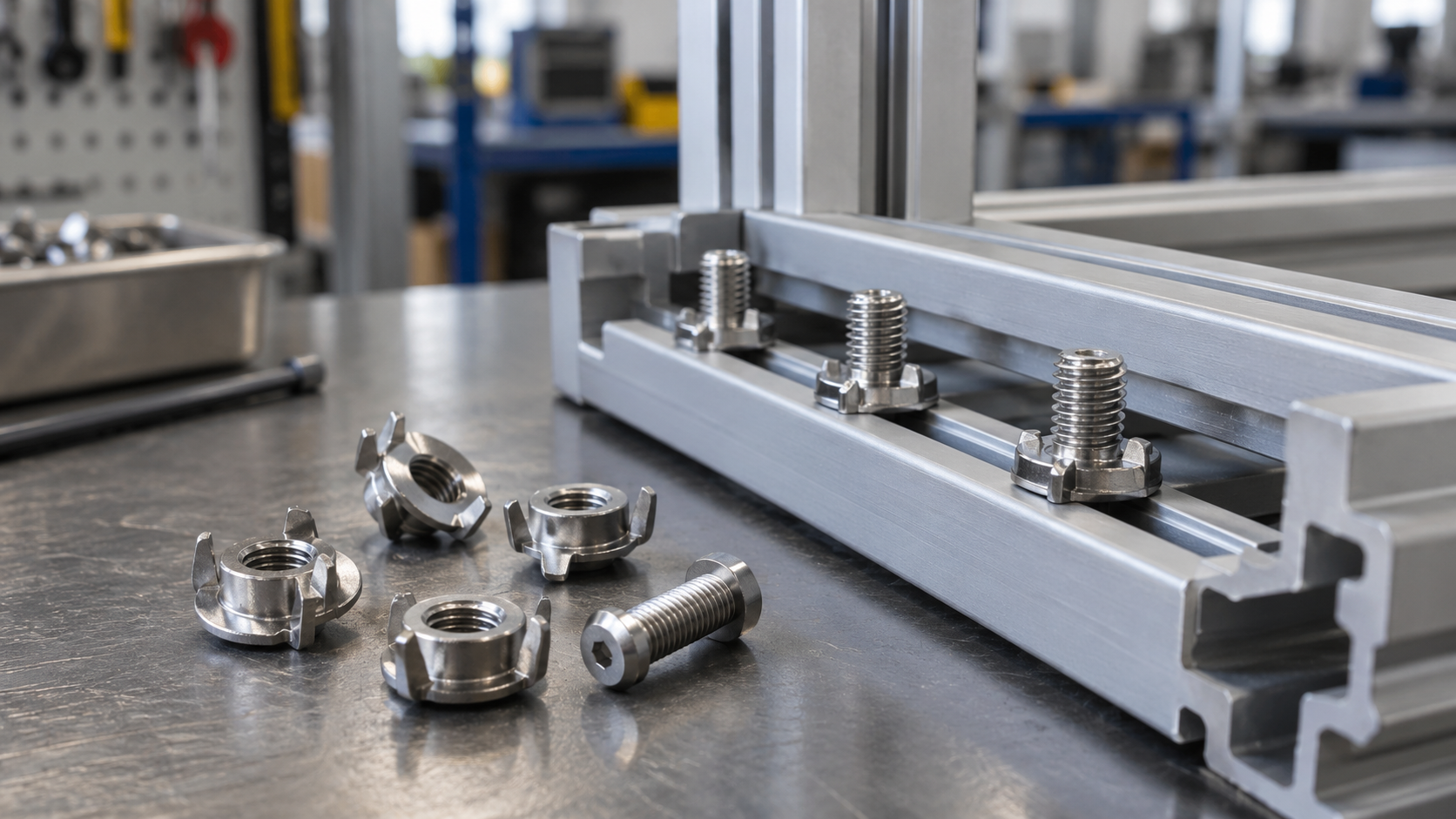
Tooth count and layout determine substrate grip and rotation resistance. A four-prong design spreads engagement wider, but performance depends on panel thickness, density, hole quality and load direction. Test the substrate for critical pull-out or torque requirements.
What Are T-Slot Nuts and T-Bolts Used For?
T-slot nuts and T-bolts create adjustable mounts for slotted aluminum profiles, guards, workstations, fixtures and modular frames.
Shape must match profile geometry and insertion method.Confirm slot dimensions, load path and access before choosing hammer, slide-in or other profile nuts.
Should Stainless Steel T-Nuts Be Used with Stainless Steel T-Bolts?
Using compatible stainless components can simplify corrosion planning, but it does not eliminate galling, crevice corrosion, or galvanic concerns with the surrounding structure. Specify the bolt grade, thread condition, lubricant practice, washer, and profile material as a set. For an application-specific review, contact Qiyi Fastener about stainless steel t nuts with the drawing and exposure details.
References
When the drawing is ready for review, Qiyi Fastener can help buyers align the T-nut configuration with the mating hardware and sourcing requirement; contact the team to discuss the intended application.