Fasteners are the basic building blocks of a wide variety of industries, including but not limited to construction, manufacturing, automotive, and home improvement. When a project requires securing two or more things together, fasteners have an important role. They provide both strength and stability. Along with fasteners being difficult to understand, there are many fasteners that can confuse you the first time you purchase them. This article will provide you with information on the types of fasteners that you will use regularly and how they are best suited to your needs, as well as the answer to many common questions regarding fasteners. As a contractor, DIYer or just a shopper, this will help you make better decisions about fasteners.

Fasteners Explained
Fasteners are mechanical devices used to join or secure two or more materials together or to attach them to each other. There are many types of fasteners and many shapes, sizes and materials to choose from based on their intended application. Fasteners can generally be classified as either removable or permanent available so that you can complete a project. Most fasteners are used in woodworking, metalworking, construction and many other industries.
Some Of The Most Common Fasteners
The number of fasteners available is vast, but most fasteners are more commonly used than others because of their ability to be used in a variety of applications and their reliability. Below are some of the most popular types of common fasteners you will see:
1. Screws
Screws are one of the most commonly used fasteners. They are typically designed with threads on their surface to be able to grip into the material they attach to. Screws provide strong, secure connections and come in numerous types of head designs (flat VS rounded VS pan) and drive types (Phillips VS slotted). Common applications for screws include, but are not limited to, woodworking, drywall installation and machine assembly.

2. Bolts
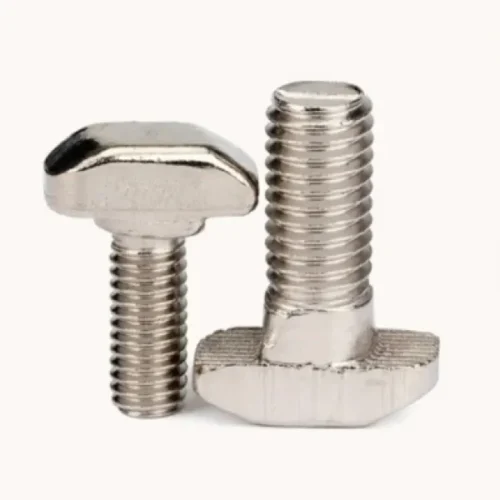
Bolts are a type of fastener that, like screws, join components but are usually paired with nuts when fastening objects together. They are generally used where stronger connections are required, such as in construction or mechanical work. Some popular bolt designs include hexagonal head bolts, carriage bolts, or eye bolts.
3. Nuts
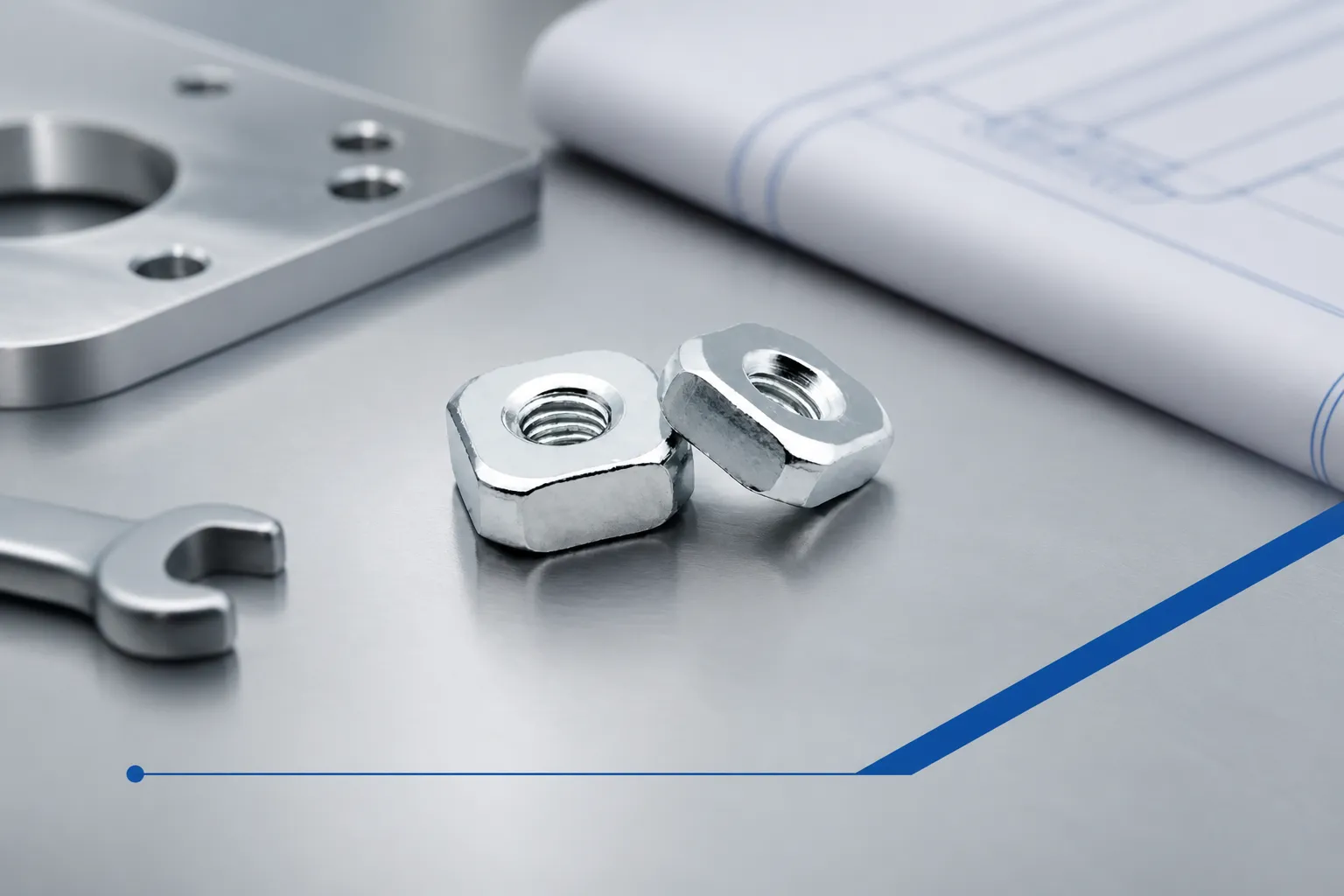
Nuts are designed to be used together with bolts in order to create a strong assembly. The most common shapes of nuts are hexagonal, winged (or butterfly), and square. In all cases, when it is important to securely tighten nuts onto bolts, using a combination of these two products creates a secure assembly. Some types of nuts use locking mechanisms to help prevent them from loosening due to vibration.

4. Washers
Washers are thin round discs that are placed between fasteners (like bolts) and the surface they attach to. They help distribute loads evenly, as well as prevent damage to the materials on each side of the washer. The main types of washers are flat washers, spring washers, and fender washers.
5. Nails
Nails are a type of fastener that is primarily used for construction and woodworking. They are simple fasteners that can be easily installed (using either a hammer or nail gun) into most materials — available in various lengths/diameters, there is a nail to meet most fastening applications.
6. Anchors
Anchors create a secure connection of two surfaces where it is difficult to install standard fasteners such as screws or bolts through walls, ceilings, or other surfaces that have no structural support (studs) behind them. Some examples include wall anchor systems, toggle bolts, and concrete anchor systems.
7. Rivets
Rivets are a permanent mechanical connection typically used in automotive, metalworking, and construction applications. Rivets consist of two parts — an externally deformed head called a mandrel connected with a lengthwise cylindrical shaft that will permanently hold two materials together when interacting with all surfaces during mounting by an impact force.
8. Clips and Clamps
Clips or clamps are types of fasteners (non-threaded) that hold two materials together for short periods of time or for longer periods of time (semi-permanent). Clips and/or clamps are used often in the plumbing and automotive industries.
Fastener Materials
The type of material that a fastener is made from determines its strength, durability, and whether or not it can be used in specific environments. Listed below are some of the most common materials used to produce fasteners:
1. Steel: Metal is an inexpensive and very strong material to produce fasteners out of. The majority of steel fasteners are produced with zinc-plated coating based on their use in moist outdoor settings.
2. Stainless Steel: This type of fastener is used frequently for outdoor and marine applications because of the fact that it will not oxidize or corrode. Therefore, stainless steel fasteners can remain in service for many, many years.
3. Aluminum: Because aluminum is lighter and will not corrode, aluminum fasteners are well-suited for those applications or uses where the weight of the fastener must be minimized.
4. Brass: Brass fasteners are used often in decorative settings due to their properties of toughness and resistance to corrosion, combined with a polished finish.
5. Plastic: Plastic fasteners weigh very little and do not conduct electricity, so they are often used in applications where it is necessary for an electrical insulator to not conduct current.
Most Commonly Used Metric Fasteners
The two most used metric sizes for screws or bolts are the M6 and M8 sizes. M6 and M8 mean 6mm or 8mm respectively. Fasteners such as M8 fasteners (for heavier objects) and M6 (for lighter objects) are selected based on project requirements:
- Material: Choose one that matches both material and environmental conditions.
- Size: Choose one based on the thickness of both pieces to ensure a secure connection.
- Load Requirements: Assess the weight and strength needed for the application.
- Type: Special fasteners like anchors or rivets may be required for specific jobs or surfaces.
Frequently Asked Questions
1. What are the most common fasteners used for everyday use?
Fasteners used most are screws, nails, and bolts. Since they are very versatile, you can use them in furniture assembly, home repair, and minor repairs.
2. How do bolts differ from screws?
A bolt typically works in conjunction with nuts, while screws can sometimes be driven into things without needing to drill a hole first. Since bolts are much stronger than screws, they are better suited for heavier-duty work, while screws are better for less heavy, self-contained work.
3. What are the most common fasteners for use with concrete?
Examples of concrete fasteners are all types of concrete screws, anchors, and lag shields. All of these types provide a strong hold into concrete or masonry without fail.
4. How do I know what size fastener I need?
You can measure the diameter, length, and thread pitch of an existing fastener or use tools such as a ruler or thread gauge if starting from scratch. Be sure to match the fastener to your specific project needs.
5. Are there specific fasteners for environments where corrosion could occur?
Yes, fasteners such as stainless steel, galvanized steel, and various coated fasteners are designed to resist either rust or corrosion, making them ideal for outdoor or marine environments.
By understanding the common fastener types and uses, you can then make good decisions when you are working with or purchasing for your project. It’s important to carefully consider the fastener for its application, material, and size to ensure a safe anchor that will last as long as possible.
To have the best opportunities to be able to succeed with your project is just to have the correct information when buying fasteners or trying to find the correct fastener for a given job. You can be very happy with your results if you know what is available to you out there to do your next project.