Light-gauge, or lightweight, metals find use in a variety of industries, including construction and manufacturing. Light-gauge metals are commonly used for applications such as framing, roofing, and HVAC systems because of their strength-to-weight ratio. However, proper fastening systems must be used when assembling these components to maintain their structural integrity and ensure long-term performance. If you’ve been wondering what types of fasteners connect light-gauge metal components together, this comprehensive guide will provide you with information regarding the various types of metal fasteners, tips on safely fastening light-gauge materials, and other methods for securing thin metal products.
Typical Metal Fasteners for Light Gauge Components
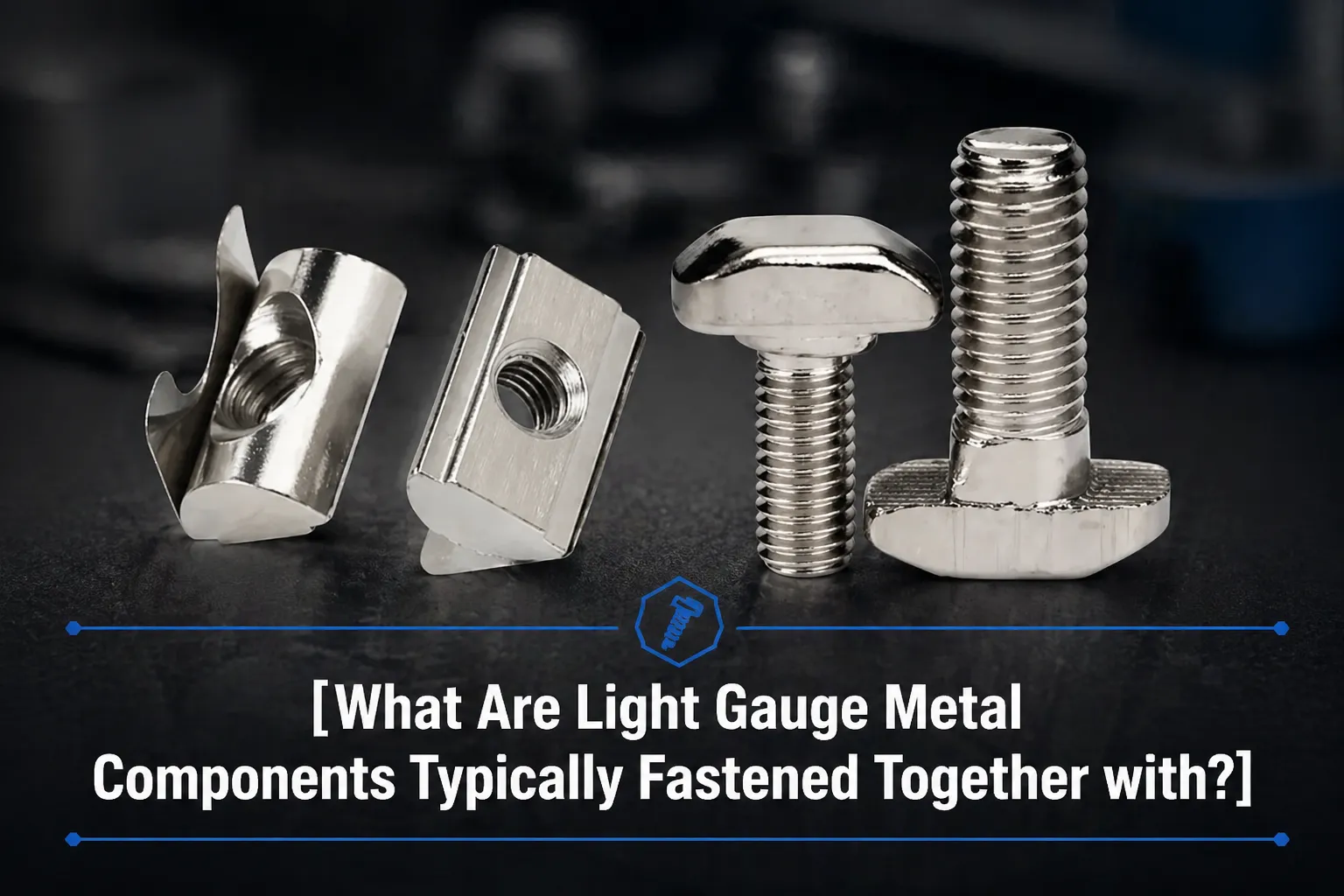
Fasteners are necessary to create a secure assembly of light-gauge metal components and provide strength to maintain a connection. The most commonly used methods of fastening light-gauge materials with metal fastening systems include:
1. Self-Drilling Screws
Self-drilling screws are a popular option for fastening light-gauge metals because they come with a drill tip that allows the screw to penetrate through the metal without having to pre-drill holes. Because self-drilling screws are easy to use, they improve productivity and create a strong connection between the components, making self-drilling screws the preferred choice for the majority of fastening professionals.
2. Self-Tapping Screws
Self-tapping screws provide another viable metal-fastening option for light-gauge metal fasteners. These screws create their own tapped threads and secure the connection when driven into the metal. Self-tapping screws are often used with light gauge metal frame applications and any other related application where a secure fastening solution is critical.
3. Rivets
Another way to mechanically secure the connection of thin-gauge metals is by using rivets, including blind rivets, as the fastening method. Fasteners can be inserted into pre-drilled holes using a rivet gun to secure the joint by deforming the rivet. Rivets are ideal for applications where access to both sides of the materials being fastened is limited.
4. Bolts and Nuts
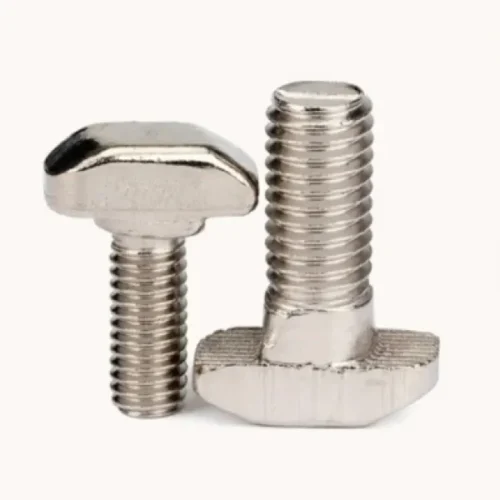
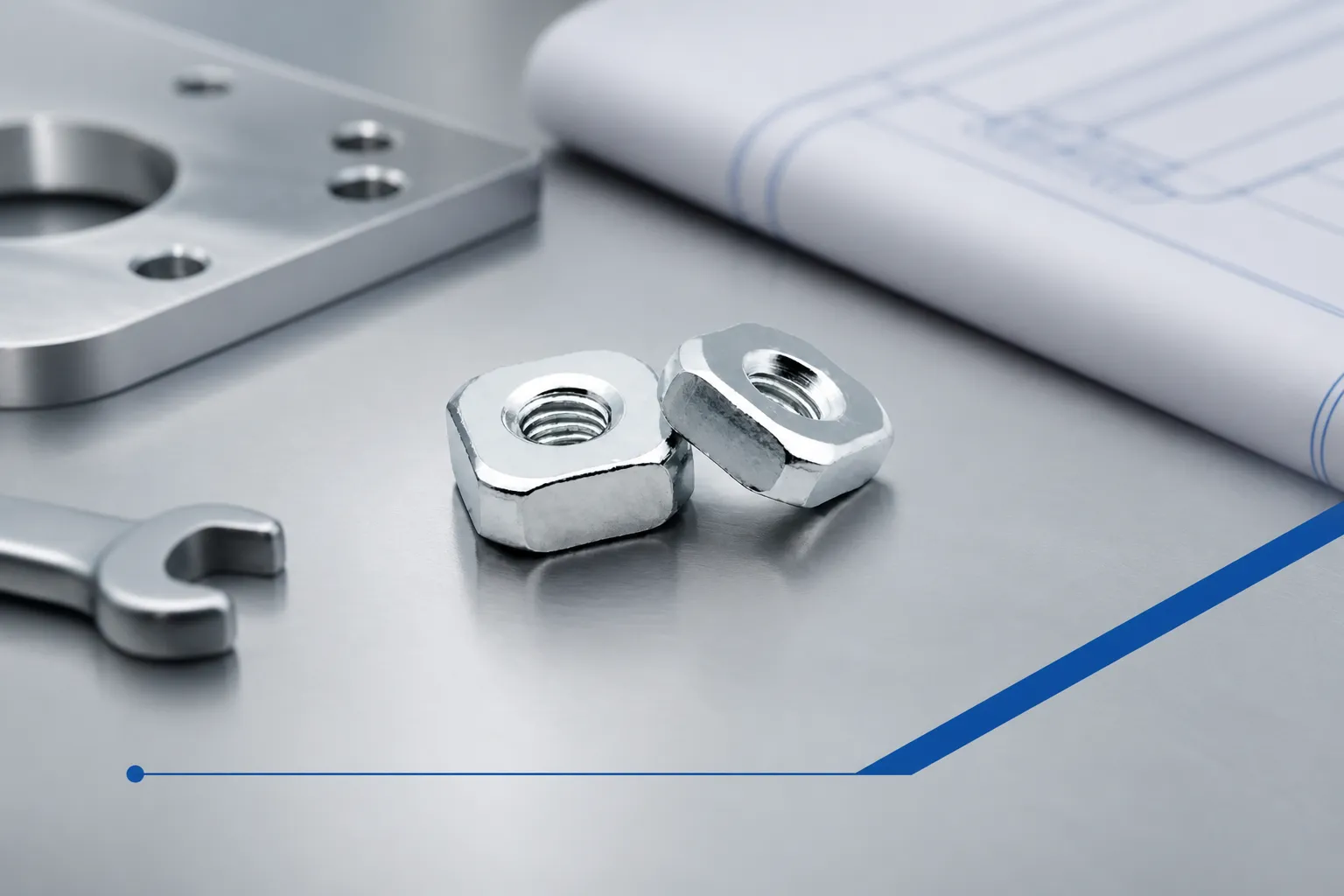
When a strong and removable fastening solution is required, the best choice is to use bolts and nuts. They allow for heavy load support and are suitable for applications that require frequent removal or adjustment of parts joined together. However, they may not always be applicable for extremely thin gauge metals without providing additional support for those metals.

Best Fasteners for Light Gauge Metal Components
The best fastener is determined by the thickness of the metal, the environment in which it will be used, and how the fastener will be applied. Generally, self-drilling screws and self-tapping screws are ideal because of their ease of installation and strong holding power. For heavy-duty applications, bolts and nuts may be a better choice. Corrosion resistance should always be taken into consideration; therefore, using stainless steel fasteners or galvanized screws will provide a longer service life, particularly for fasteners used outdoors or in moisture-prone environments.
Other Methods for Fastening Light Gauge Metals
Besides traditional metal screw fasteners, several other methods can be used to fasten light gauge metal components:
- Welding
Welding is an effective method for permanently bonding light gauge metals together. It is typically used to bond metals together in structural applications where a very solid bond is necessary. However, welding often requires specialized equipment and skilled labor and may not be suitable for some thin gauge metals, as excessive heat can cause warping.
- Adhesives
High-strength metal adhesives are becoming more popular in certain industries. They offer a clean and efficient way to connect two pieces of material compared to using mechanical fasteners. However, they may not be suitable for applications involving heavy loads or high levels of vibration.
- Clinch Fastening
Clinch fastening is a mechanical joining process that involves pressing one part into another to form a secure bond without additional fasteners. This method is often used in automotive and appliance manufacturing, offering a clean and durable connection that is ideal for light gauge metals.
Tips for Fastening Thin Metal Safely
Fastening thin metal requires attention to detail to ensure that there is no damage or failure during the process. Below are some suggestions for ensuring a safe, successful job:
1. Choose the Right Type of Fastener: Best practice is to use a fastener appropriate for the thickness and type of metal. This will avoid problems such as stripping the hole or insufficient grip.
2. Pre-Drill Carefully When Necessary: While self-drilling screws eliminate the need for pre-drilling, drilling a pilot hole can help prevent the metal from bending or warping in some cases.
3. Use Proper Tools: Use tools designed for the fasteners being used. Installation of light gauge metals can be made more efficient and precise by using tools like impact drivers, rivet guns, and precision drills.
4. Avoid Over-Tightening: Over-tightening screws or bolts can lead to stripping, cracking, or deforming the thin metal material. Follow the manufacturer’s recommendations for torque settings.
5. Protect Against Corrosion: Corrosion weakens fasteners over time, especially when used outdoors or in high-humidity environments. Use corrosion-resistant fasteners, such as stainless steel or coated screws, to ensure long-term durability.
FAQs on Light Gauge Metal Fastening
Q: What’s the best type of fastener for thin metal roofs?
A: Self-drilling screws with neoprene washers are often preferred to protect against leaks and ensure a secure hold.
Q: Can adhesive work as a primary fastening method?
A: Adhesives can be used for some applications, but they’re generally less reliable for high-load or high-vibration scenarios compared to metal fasteners.
Q: How do I prevent cracking or warping of light gauge metal during fastening?
A: Pre-drill holes, avoid over-tightening screws, and ensure that fasteners are appropriate for the metal type and thickness to prevent damage.
Q: Are rivets suitable for all light gauge metal applications?
A: Rivets are excellent for areas with limited access or where a strong, permanent connection is required. However, they may not be ideal for applications that require frequent adjustments or disassembly.
Q: How do I ensure corrosion resistance in my fasteners?
A: Choose materials like stainless steel or hot-dip galvanized coatings. Avoid mixing dissimilar metals to prevent galvanic corrosion.
Fastening systems such as self-drilling screws, self-tapping screws, rivets, and bolts and nuts are typically used to secure light gauge metals. The proper fastening system ensures the structural integrity, safety, and durability of the assemblies while preventing future problems like corrosion or material damage. By understanding the types of metal fasteners and their suitable applications, you can confidently choose the best option for your project. For further assistance or to learn more about high-quality fastening systems, reach out to a trusted expert or supplier today.