Keeping your RV in good condition means not only looking after the engine but also maintaining the structural integrity of your RV. Properly sealing RV wall fasteners will protect your RV from leaks, add strength to components and improve the insulation, thus increasing the longevity of the vehicle. This article will detail the proper way to seal the wall fasteners, why it is so important to do so, and some other related topics like concealed fasteners for metal wall panels and metal wall fasteners.

What Are RV Wall Fasteners and Side Seams
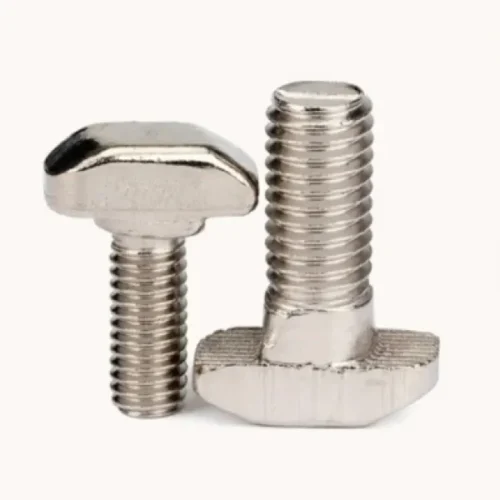
RV wall fasteners (screws, bolts, etc.) are small but very important parts of your RV, and they secure the RV wall panels to walls. The wall fasteners may also provide support for concealed structures in walls (metal wall panels or wooden interiors). The wall fasteners can become loose or deteriorated due to exposure to water, heat, and/or vibration, creating gaps and/or leaks.
When left unsealed, the first place where leaks can happen is the side seams (where the walls of the RV connect). If left unsealed, the leaks can create a lot of damage, such as structural damage, as well as allow for mold and rotten wood to grow inside the RV. Therefore, it is essential to seal the RV wall fasteners to help maintain a leak-free and solid camper.
Sealing RV Fasteners Step-by-Step Instructions
1. Gather the Tools and Materials Needed to Start the Job
Prepare for your project by gathering up all the tools and materials needed to perform this task. Here are some important items to have on hand when resealing a fastener:
-
Good quality sealant (like silicone or polyurethane RV sealant)
-
Caulk gun
-
Denatured alcohol (to clean)
-
Soft rag/sponge (to wipe)
-
Screwdriver (for tightening/removing fasteners, if needed)
2. Clean Thoroughly
To get a good seal on the fastener area, the area must be clean and dry. Use a soft rag and denatured alcohol to clean the area around the fastener (old sealant, dirt, grease, etc.). Make sure to allow the fastener area to fully air dry before proceeding to the next step.
3. Check Fasteners (Inspect and Tighten)
Once you have prepared the surface, you can begin checking the condition of the fasteners. Check to see if they are tight or have become loose since the last time you installed or removed the fastener. If any screws or bolts are loose, re-tighten them using the appropriate tool. Replace any damaged or missing fasteners with new fasteners designed specifically for your RV wall. When replacing metal fasteners, use rust-proof fasteners in order to eliminate corrosion from moisture, especially in humid environments.
4. Apply the Sealant
Using your caulk gun, apply a bead of sealant around the fastener continuously. The sealant must cover the entire fastener evenly in order to provide a watertight sealant barrier. You can also use this step to seal any gaps, cracks, or defects in seams as well. To get a professional appearance, you may want to smooth out the bead of the sealant with either your gloved finger or a caulking tool specifically designed for this purpose.
5. Allow the Sealant to Cure
After you have applied the sealant, you must allow adequate time for the sealant to cure. A sealant may take anywhere from 24 to 48 hours to cure, depending on the type of sealant you are using, so always follow the manufacturer’s recommended curing times. During the curing process, do not allow water, dirt, or excessive movement in the area.
Best Ways to Seal RV Wall Fasteners
When sealing fasteners on RV walls, consider all of the following tips:
1. Choose the correct sealant for the material: Each surface is different and requires a specific type of sealant; for example, silicone adheres well to glass and metal but does not bond well to wood, while polyurethane will adhere to wood better than silicone.
2. Regular inspections: Regularly inspect wall fasteners and seams; this will help you identify any issues early and save you from experiencing significant damage.
3. Prevent rust and corrosion: Always use hardware that is weather-resistant, such as stainless steel or galvanized screws. These materials can withstand a lot of moisture.
4. Protect the fasteners: After the sealant sets, try to put a protective coat on the fasteners to keep them from being damaged by UV rays and from further wear.

Concealed Fastener Metal Panels
If you want to build or improve your RV and are looking for something that will be durable, you may want to consider using concealed fastener metal panels for the interior walls of your RV. Concealed fasteners are fasteners that are hidden under the surface of the panel, providing a clean and visually appealing finish. Concealed fasteners not only improve your RV’s aesthetics but are also designed to withstand extreme weather conditions, including wind, rain, and heat.
Sealing the fasteners on concealed panels is typically a little different than sealing fasteners that are visible; however, if properly installed, by ensuring a tight fit and checking the seams for integrity, the life of the fasteners can be maximized.
Frequently Asked Questions (FAQs)
1. How often do I need to reseal my RV’s wall fasteners?
You should inspect and reseal your RV’s wall fasteners at least once a year or sooner if you notice any signs of water leakage through the screws or cracks in the sealant that holds the wall fasteners in place, or your RV is exposed to extreme weather.
2. Can I use any sealant on my RV fasteners?
Not all sealants are recommended for use on RVs. You should look for quality, weather-resistant, RV-specific sealants (silicone or polyurethane) that provide a long-lasting, flexible barrier against water leakage.
3. What are the signs of a problem with my RV’s wall fasteners?
You may experience rust, corrosion, screws that have come loose, leaking water, or soft spots in the wall if your wall fasteners have problems. Check for these signs at regular intervals so you can catch the problem before it becomes serious.
4. Are metal wall fasteners better than conventional wall fasteners?
The main advantage of using metallic wall fasteners, particularly those made of stainless steel or other rust-resistant types, is that they are more durable than conventional fasteners, especially in areas exposed to moisture or weather conditions.
5. What are the advantages of concealed fastener metal wall panels?
Concealed fastener metal wall panels have an attractive, seamless look and are durable. The concealed fasteners protect the joints from external damage, which reduces the chances of rust and water leakage over time.
6. If my RV’s walls have water leaked through them already, what do I do?
The first step would be to identify where the leaks are coming from, and to inspect the fasteners and seams around the fasteners for damage. Next, if a fastener is loose or damaged, tighten or replace it. Clean up any water damage and reseal. If there is a lot of water damage, you should seek professional help.
Who to Contact for Professional Help
Many RV owners prefer to do their own RV maintenance; however, in some cases, it is necessary to consult a professional. If you have a significant amount of water damage in your RV walls, extreme warpage, or structural instability, it is best to have a professional provide you with an assessment to determine what type of repair(s) may be necessary. Knowing that the repair will be handled properly and correctly will give you greater peace of mind as you travel.
In addition to regular maintenance being performed on your RV, most RV service providers use advanced equipment and methods to properly seal fasteners. Therefore, if you do not feel comfortable taking on this project by yourself, it may be worth it to have a professional complete this task.
Properly sealing your RV camper wall fasteners is critical to maintaining your RV and protecting your financial investment. To ensure that your camper does not leak or incur damage, follow the steps in this article (clean the surface, inspect the fasteners, and use quality sealants). You should also inspect your RV regularly for leaks and consider upgrading to concealed fastener metal panels to add durability and aesthetics to your RV. If uncertain, hire a professional to inspect your RV and to maintain your RV’s quality and safety. By following these suggestions, you will have the peace of mind of knowing that you will enjoy your travels no matter where your journey takes you.