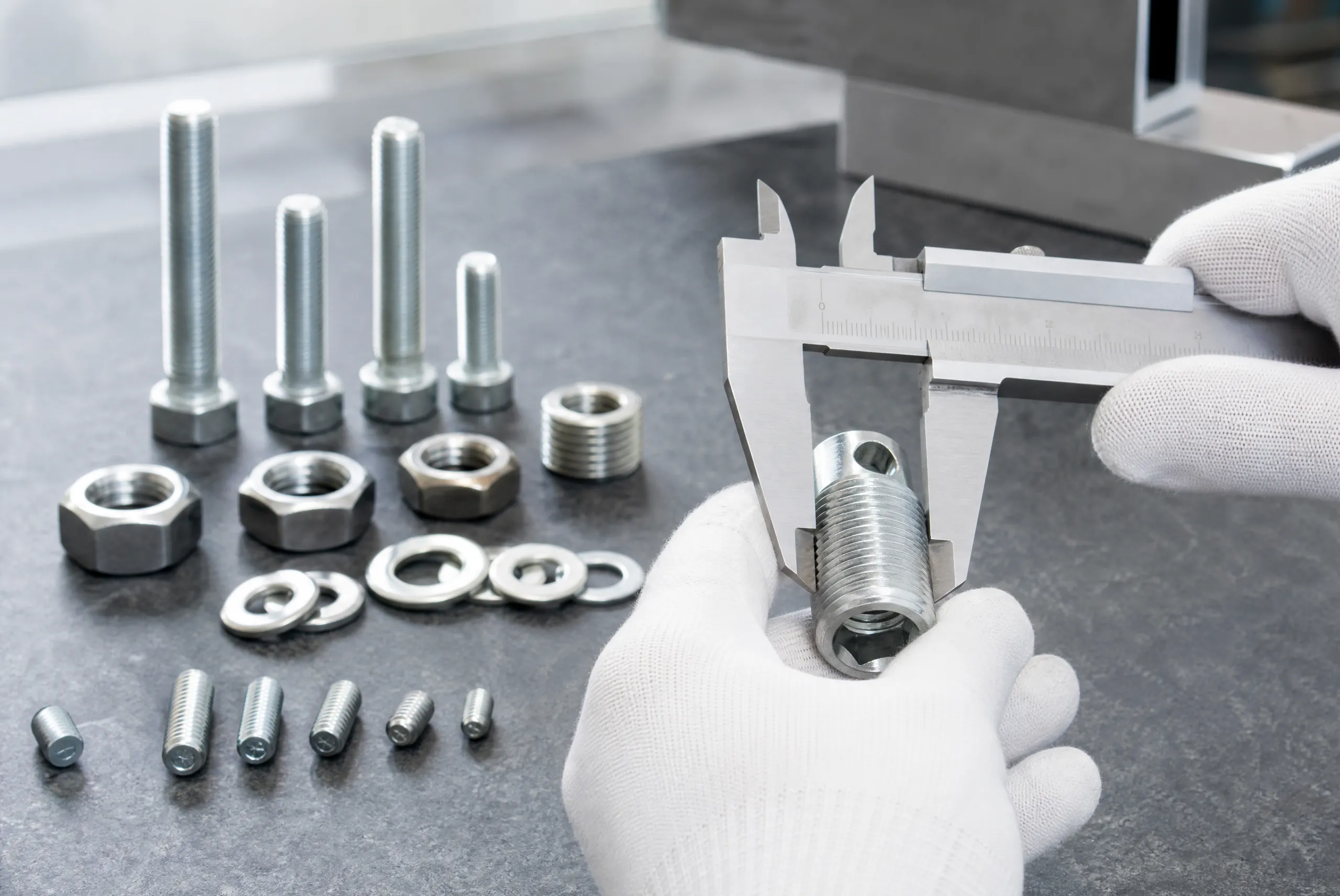
Choosing the appropriate type of fastener for your cabinet installation is critical. Cabinet fasteners provide a solid base for kitchen cabinets that are heavy, durable, will last for years, and will give the cabinet a finished appearance. There are several different types of cabinet fasteners and understanding what each offers, as well as how to install them properly, is important when providing contractors, homeowners, and DIY enthusiasts with all the information they need to successfully install kitchen cabinets securely and for years to come.

What is a cabinet fastening system?
A cabinet fastening system is defined as the collection of tools, items such as screws, bolts, etc., and methods used to attach the cabinet securely to a wall(s), floor(s), other cabinets, or to secure them to each other using the proper tools. When a cabinet fastening system is installed correctly, the cabinets should remain level, stable, and secure during use. Additionally, applying appropriate fastening systems to your cabinet installations will help maintain the aesthetic finish of the cabinets and provide a solid foundation for all of the contents held within.
What is the appropriate fastening system to use for securing cabinets to framing?
When securing cabinets to wall framing, the fasteners should be fastened through the cabinets directly into the structural wall studs of the frame. The following is a step-by-step process to help you select and use the best fastening system:
1. Find wall studs: Use a stud finder to locate the studs that you are fastening into directly. The cabinets should be fastened directly to these studs for maximum stability.
2. Use cabinet screws: Cabinet screws are a heavy-duty option used to secure cabinets to walls or other cabinets. Their large threads and length make them ideal for penetrating wall studs or plywood securely.
3. Use cam lock fasteners: These are often used by manufacturers in ready-to-assemble furniture. Cam lock fasteners allow two pieces of wood to connect at angles efficiently, facilitating a streamlined assembly process for flat-pack cabinets.
4. Choose wood screws: Wood screws work well for light cabinet loads or repairs. Select screws that are long enough to embed securely into the wood without splitting it.
5. Consider pocket hole screws: Used with pocket-hole jigs, these screws are ideal for creating strong, hidden joints between cabinet panels or face frames, ensuring a seamless and polished appearance.
6. Use metal brackets: L-shaped or flat metal brackets provide extra support for heavier cabinets and can be used alongside screws to secure the installation further.
When selecting a cabinet fastening system, it’s important to consider load-bearing capacity, installation ease, and compatibility with the cabinet material. Using inappropriate fasteners or a poorly designed fastening system can result in structural instability, safety hazards, and costly repairs. Cabinets carry not only their own weight but also the daily use of drawers and doors, and the contents stored within. Investing in quality fasteners and tools will save time and money while ensuring the structural integrity of the installation.
FAQs About Cabinet Fastening Systems
What is the ideal way to install cabinets?
Cabinet screws are the best choice for affixing wall cabinets. Make sure they are long enough to penetrate both the cabinet and wall studs without protruding from the back.
Can I reuse screws from my previous cabinet installation to attach the new cabinets?
Although reusing old screws may seem economical, it is not recommended. Over time, screws can wear out, corrode, or lose thread integrity, compromising the installation’s stability. Always opt for new, high-quality screws.
How much weight can a cabinet fastening system support?
The weight capacity depends on the fasteners used, the cabinet material, and the wall construction. Cabinets anchored into studs can safely bear hundreds of pounds when properly installed.
What do I use to anchor my cabinets if I do not have studs in the walls?
Wall anchors, toggle bolts, or mounting strips can provide secure anchoring points for cabinets in the absence of studs.
How can I install cabinets to be perfectly level?
Use a level at every step of the installation process. Temporary support like clamps, braces, or cleats can help hold the cabinets in place while verifying they are level before securing them permanently.
To provide safe, stable, and attractive cabinet installations, a reliable cabinet fastening system is essential. By selecting the correct hardware, applying proper techniques, and addressing common installation concerns, you can ensure that your cabinets remain functional and aesthetically pleasing for years to come. Whether you are a professional installer or a DIY enthusiast, making informed choices about your fastening system will result in better installations, greater durability, and peace of mind. Remember, the strength and longevity of your cabinets depend not only on their design but on how securely they are fastened—choose your fastening system wisely.