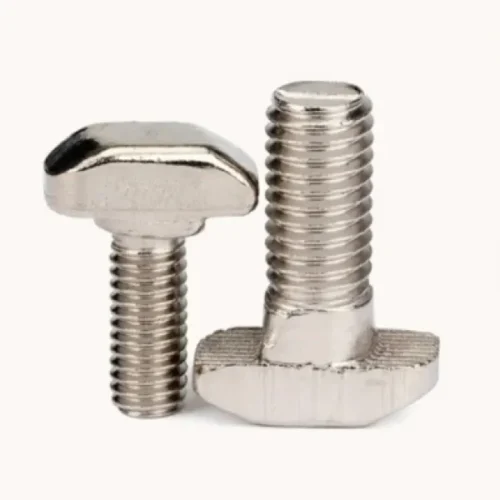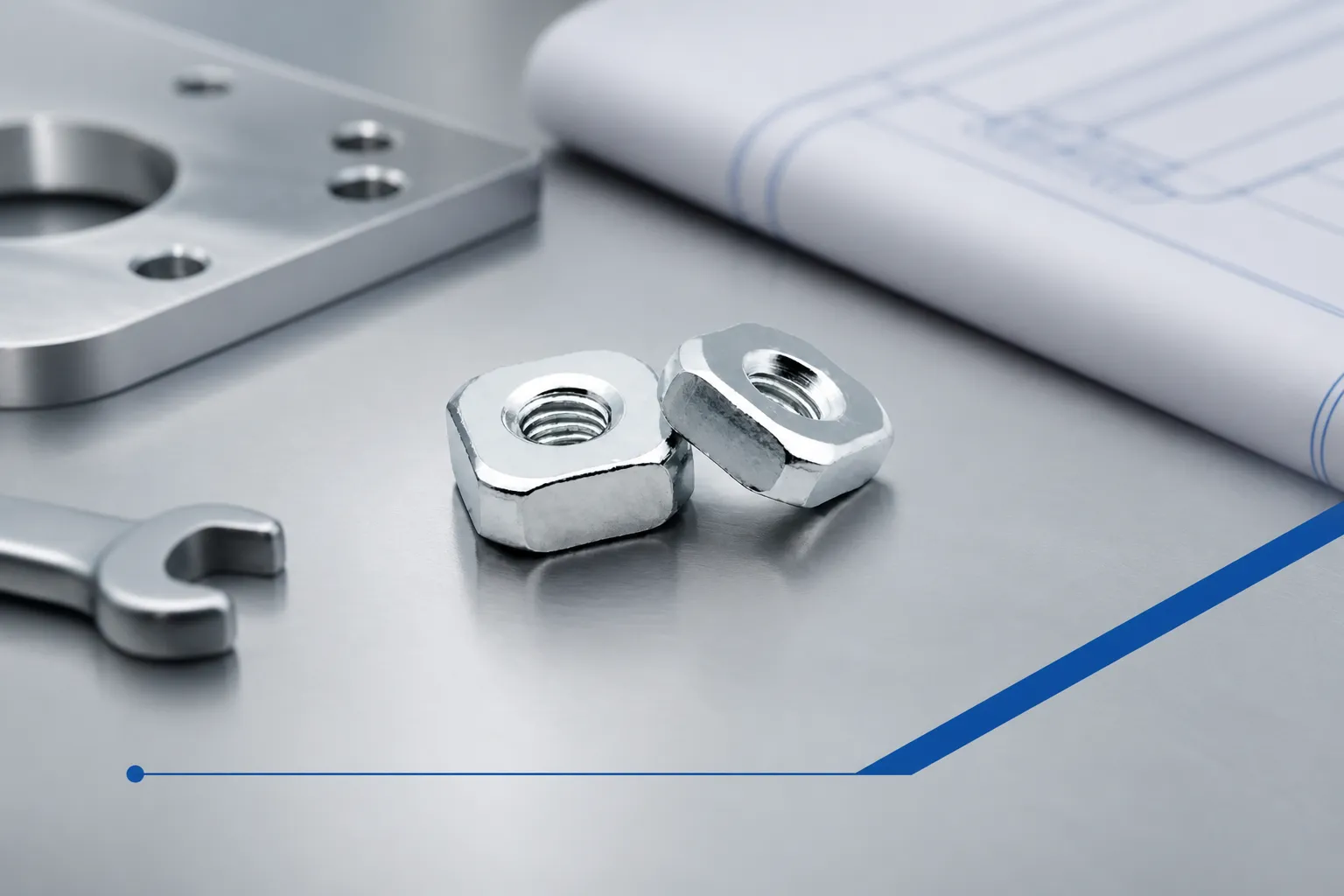
Stainless steel T-nuts should be reviewed where aluminum profile frames face moisture, outdoor exposure, washdown, or a customer material requirement. Stainless is a material-selection path, not a substitute for confirming slot geometry, thread engagement, and the complete material stack.
Start with the real service environment
Define whether the frame is indoors, outdoors, intermittently wet, regularly washed, or exposed to chemicals. This context lets the buyer compare carbon steel with plating and stainless steel against the intended maintenance plan.
| Environment signal | Selection question |
|---|---|
| Outdoor or condensation risk | Does the customer require stainless material? |
| Washdown or cleaning process | What chemical and exposure information is available? |
| Long-life inaccessible frame | How will future replacement be managed? |
| Mixed-metal assembly | Has the complete material stack been reviewed? |

Confirm that stainless does not change the fit checklist
Material does not remove the need to match the T-nut to the actual profile slot and mating fastener. Confirm the thread, slot width, nut family, head or bracket clearance, and whether the nut must be installed before the frame is closed.
Review M4, M5, M6 and M8 T-slot nut selection when the thread callout is still open.

Choose the appropriate T-nut family
Spring ball and spring leaf T-nuts use different retention approaches. The material requirement should be written together with the family and model requirement; “stainless T-nut” alone is not enough for a supplier to verify fit.
Start product review with the T-nut with spring ball page or the spring leaf page.

RFQ checklist for outdoor or wet applications
Include the profile drawing, slot width, thread, selected nut family, stainless requirement, environment description, quantity, inspection needs, and drawing revision. If there is a customer corrosion or material standard, include it in the request rather than inferring compliance from the word “stainless.”
Fit boundary
This article does not establish corrosion life, grade, salt-spray performance, torque, or compliance with a project standard. Stainless may be appropriate in a given environment, but the final selection requires the approved design and supplier confirmation for the exact model.
Product review and next step
Compare the product pages with the approved drawing and send the environmental, slot, thread, material, and quantity requirements to QIYI for a quotation discussion.
FAQs
Are stainless steel T-nuts always better outdoors?
They may be appropriate, but the environment, exact material requirement, and complete frame design must be reviewed.
Can stainless T-nuts be specified by profile series alone?
No. Include the actual slot width, thread, nut family, and material requirement.
Does stainless steel prove corrosion performance?
No. Project-specific performance depends on the grade, exposure, joint design, and approved documentation.
What should an outdoor T-nut RFQ include?
Provide the drawing, environment, slot width, thread, nut family, material requirement, quantities, and revision.