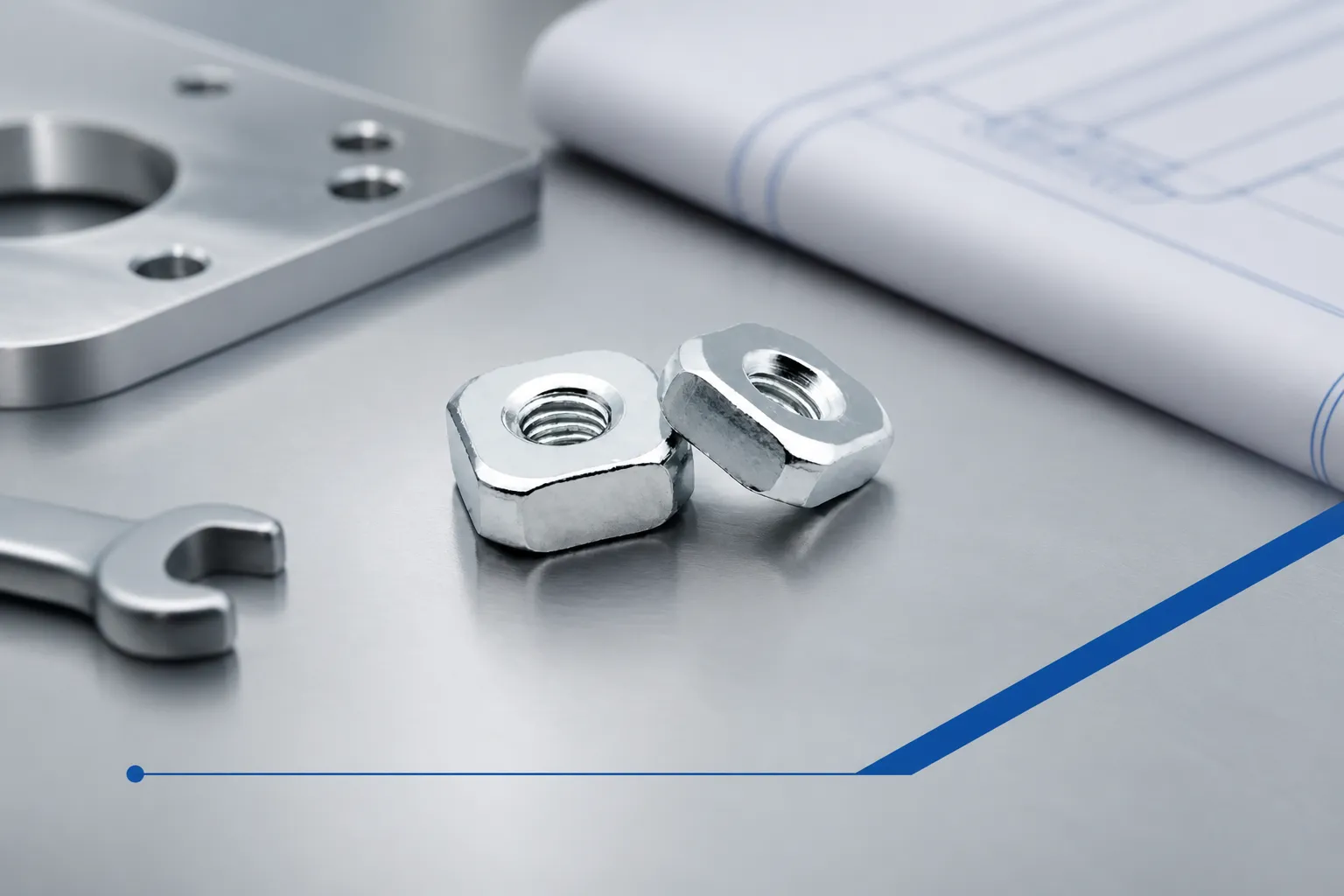
Fasteners are devices used in a construction project to attach or anchor together two or more items. They are essential not only to secure items but also ensure safety and stability of installed materials. Fasteners come in different types, shapes, sizes, and materials. Each application is determined by the type of Fasteners being utilized, the intended use of Fasteners, and the conditions involved in a construction project. Understanding Fasteners, how they are classified, and how they affect construction projects can help to better determine their value.

Definition of Fasteners
Fasteners are hardware devices that mechanically attach two or more materials together. Fasteners used in construction are fastening systems; that is, they create a mechanical connection between components/parts to hold them together in a way that allows for disassembly and/or adjustments without destroying them or changing the installation. This is in contrast to permanent bonding (such as welding), which would destroy the original parts that were joined together. Fasteners are typically made of high-strength materials (such as 52-69 gigapascal (GPa) steel) that are capable of withstanding the loads and dynamics that occur in construction projects as well as the external forces acting on them such as wind, rain, snow, and temperature changes. They are available in many different styles and types to suit the needs of various applications.
Types of Fasteners
When referring to Fasteners used in the construction industry, there are several different types of Fasteners that should be noted. The type of Fastener will include, but not limited to, the following categories based upon their use: Classifications of Fasteners used in Construction. Each Fastener will have its own specific uses and benefits based upon its intended use. See below for examples of the different Fasteners used in the Construction Industry.
Self-Drilling Screws
Screws are versatile Fasteners that can be used to hold together both wood and metal materials. Screws can be installed by either using a self-tapping or drill and come in several different types/styles of heads such as flat, round, or Phillips.
Bolts
Bolts are used in conjunction with nuts and washers to create durable, long-lasting connections primarily in structural steel construction and for high-stress applications.
Nails
Nails are perhaps the oldest type of fastener, commonly used in woodworking and light building projects. There are certain specialized nails, such as “framing” and “roofing” nails which are designed for different purposes.
Anchors
Anchors are fasteners that allow for the secure attachment of materials, such as metal or wood, to concrete or masonry substrates. Common types include wedge anchors, sleeve anchors, and drop-in anchors.
Rivets
Rivets are a type of permanent fastener that is commonly used in metal fabrication when it is difficult to weld items together. Rivets are also typically used to carry shear loads.
Clips and Clamps
Clips and clamps are commonly used to hold pipes, electrical conduits, and HVAC components in place.
Fasteners and Construction
Fasteners can be found throughout the entire construction process, playing an essential role in all functional areas involved. Some popular applications of fasteners include:
Structural Connections: Fasteners such as bolts, screws, and weldable fasteners connect and hold together a steel frame or timber frame. These fasteners are critical for the structural integrity of a building.
Plumbing and Electrical: Fasteners such as clamps, washers, and anchors secure pipe systems, electrical conduit systems, and electrical junction boxes.
Roofing: Fasteners such as roofing nails or other specially designed fasteners will secure shingles and/or metal roofing panels against the weather’s natural forces.
Interior Design: Decorative fasteners hold various fixtures/fittings/furniture securely in a location.
Fasteners play an integral role in creating both dependable and aesthetically pleasing results in projects ranging from large-scale infrastructure work to home improvement projects.
Why Choosing the Right Supplier Matters
The importance of selecting an appropriate supplier for construction fasteners cannot be overstated! The quality of the product is key, and the use of a highly reputable supplier or manufacturer will ensure you receive a durable, high-performance product that meets the required standards. The use of inferior-quality fasteners could lead to such things as structural failure(s), safety issues, and/or delays in completing projects due to problems with fasteners. The top companies in the industry offer tailored solutions and specialist recommendations to suit your applications.
Key Factors to Guide You in Choosing Your Construction Fasteners
When selecting a construction fastener, you should consider the following criteria:
Material Type
Identify whether your application is wood, metal, or concrete for the best choice of fastener.
Load Requirements
Take into account the load-bearing capabilities of the fastener under both static and dynamic loading conditions.
Corrosion Resistance
Use galvanized or coated fasteners on projects outdoors or in areas where there’s an excessive amount of moisture.
Ease of Installation
Some fasteners require special tools or techniques to install, while others can easily be installed with less difficulty (e.g., self-tapping screws).
Frequently Asked Questions Regarding Construction Fasteners
What Are Construction Fasteners Made From?
Common materials include: steel, stainless steel, aluminum, brass, & in some specific applications titanium.
Which Is Better – Nails or Screws?
The selection of a fastener is based on application. Screws hold stronger than nails, and they can be taken back out for adjustable connections. However, for projects that require rapid installation using a fastener, nails offer a lower cost and can be used quickly to install many fasteners at one time.
Can Construction Fasteners Be Reused?
Screws and bolts may be reused provided that they have not been stripped or bent; however, nails and rivets will not be reusable because of deformation during installation.
What Can I Do to Prevent Construction Fasteners from Corroding?
You can avoid corrosion of fasteners by using stainless steel fasteners and/or fasteners with a corrosion-resistant coating (i.e., galvanized or zinc-plated) for outdoor applications and/or humid locations.
How Do I Find a Good Construction Fastener Supplier?
When searching for a construction fastener supplier or manufacturer, consider their reputation and certifications as well as their ability to provide you with a variety of fastening solutions; find out what customers are saying about them by searching customer reviews online, as well as getting recommendations from other construction professionals.
Fastening devices are essential components of contemporary building projects because they give you the strength and security that you need to build robust, long-lasting structures. When you thoroughly understand all the various types of construction fastening devices available and how they’ll assist you in improving the overall reliability of your project, you will be pleased you made the correct choice when selecting reputable construction fastening suppliers. It is always worth the time to properly select construction fastening systems, whether you’re an architect, contractor, or do-it-yourselfer.