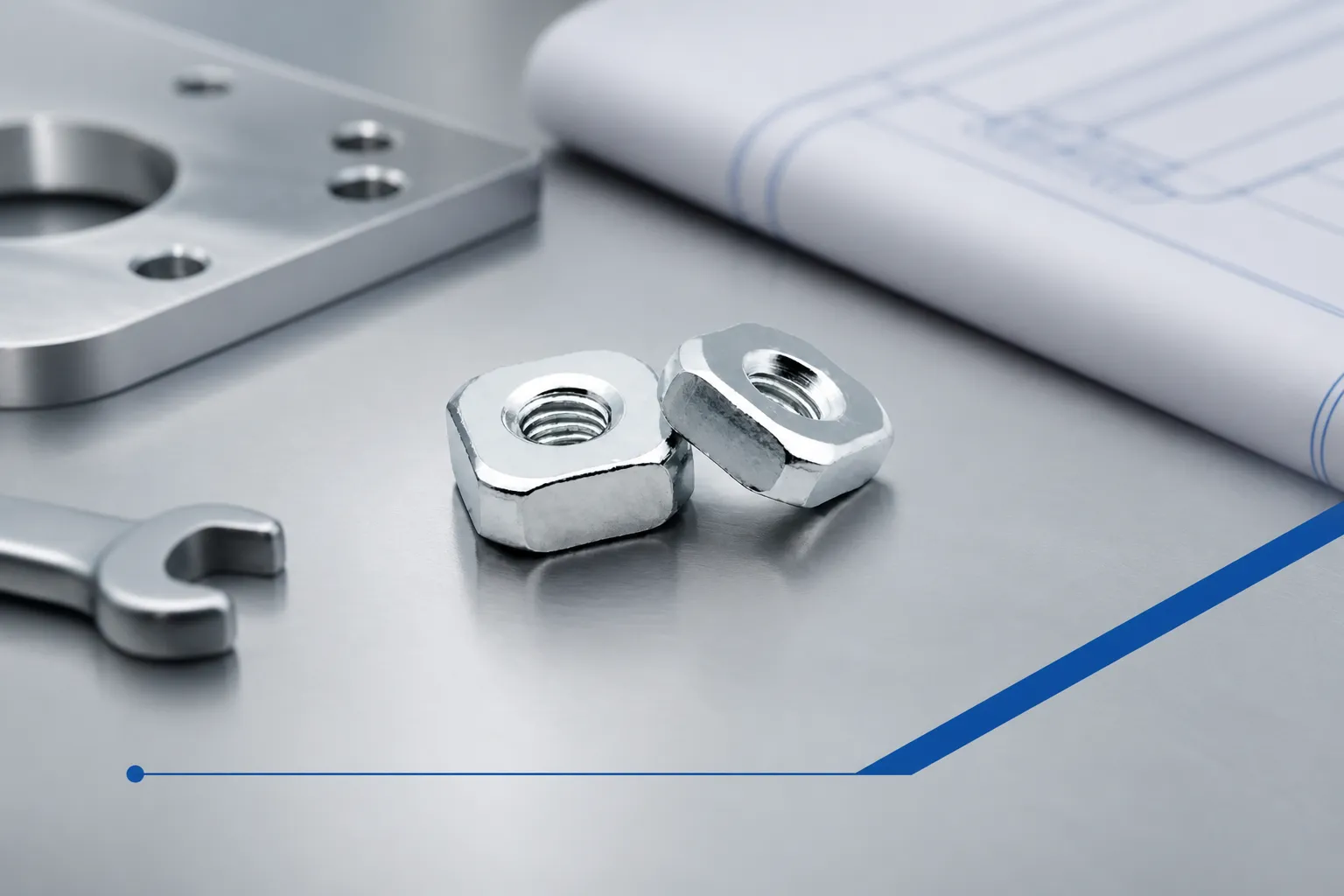
If the word fastened is new to you either way you have come to the right place. To fasten something typically means to attach, secure, or fix its location in order to create a secure relationship between two or more objects through some form of mechanical tool or hardware component. The fastening process is very important to the construction, manufacturing, and automotive industries; because the process of creating connections that will be stable over long periods of time is necessary to the safety, efficiency, and performance of our products. In order to clearly define this word further, it is important to understand what fastener means by describing the components involved in fastening systems.

Fasteners Defined
Fasteners are defined as hardware components that are intended use is to join or hold two or more objects together mechanically. Fasteners can be defined by the hardware component’s form, function, number of fastened joints; but the most common types of fasteners are: screws, bolts, nuts, washers, rivets, etc. Fasteners are widely used in the everyday lives of average people, but they are essential components when it comes to those large-scale industrial projects. Without the fastening system; fasteners are not only used to create secure connections that can withstand continuous forces being exerted, movement of parts, and general wear from everyday use; but they are a major part of contemporary modern-day engineering and technology as well.
Fastener’s primary material includes: steel, stainless steel, aluminum, and brass; it is ultimately the fastener material that will determine if a fastener will perform well when subjected to various environmental influences and different operating conditions, such as the ability to resist corrosion, strength, and weight of the fastener material.
Who Use Fasteners?
Because of the versatility of fasteners; they can be found in virtually all industries. The following is an overview of several different types of professionals and industries that use fasteners on a daily basis:
- Construction Industry: In order to construct building frames, roofing materials, and other elements inside the building, the construction industry requires fasteners.
- Manufacturers: The manufacturers’ production lines rely on the use of fasteners in the form of bolts and nuts to connect everything from furniture and appliances to automobiles.
- Automotive Technicians: Fasteners play an important role in assembling parts that make up vehicles, as well as ensuring they are put together in a safe manner to operate properly.
- DIY and Home Repair: Projects that require improvement or repair to any areas within your home usually utilize screws, nails, and other smaller fasteners.
In summary, fasteners are essential to perform any task involving anything from joining materials, providing support and stability, or creating a modular structure for many uses.
Types of Fasteners
When considering all the various types of fasteners available, they can be divided into specific categories, based upon their intended use. The four most common types of fasteners include:
- Screws: Screws are best used to secure wood, steel, or plastic items together and provide a secure, adjustable connection.
- Bolts & Nuts: For heavy-duty applications, bolts are commonly used in conjunction with a nut, which allows for a high degree of tightness between the joined materials.
- Rivets: Unlike other fasteners that can be removed or reattached easily, rivets cannot be undone or tampered with. Rivets are commonly found in aircraft, bridges, and large equipment.
- Washers: While washers alone are not classified as fasteners; when used with screws or bolts they can assist in evenly distributing forces on a fastener and preventing any wear on the material over a period of time.
All types of fasteners serve specific, constructive purposes and have benefits based upon their intended project goals or tasks. For example, a bolt-and-nut connection would be good for securing two beams of steel together, while wood screws would work better for building furniture.

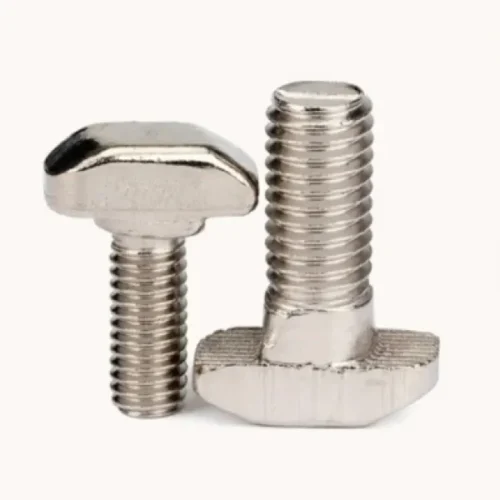
Selecting the Best Fastener Supplier
Regardless of whether you are doing a DIY project or running a manufacturing facility, obtaining fasteners from a reputable fastener distributor is important. A quality supplier will have a large variety of products, competitive pricing, and will have the expertise to advise you on proper fastening systems for your specific application.
Looking for the following characteristics will help you determine if a fastener distributor is a quality supplier:
- A large selection of inventory (screws, nuts, bolts, washers, special fasteners)
- Different material options (stainless steel, carbon steel, brass)
- Availability of custom fastening solutions for different customers in various industries
- Knowledgeable customer service and technical support
- Prompt shipping and dependability with fulfilling orders
Working with a reputable supplier of fasteners will ensure that you have the products you need when you need them, allowing your projects to be completed on schedule and within budget.
How Fastening Systems Affect Construction
A solid fastening system will enhance the structural integrity of any assembly, help avoid failure, and keep your assembly compliant with building codes and safety regulations. An example of a fastening system is an assembly of parts that can either build a furniture piece in your home or build a bridge. When engineers choose which fasteners to use, they consider many factors: load capacity, environmental factors that will affect installation, and design life.
Common Questions About Fasteners
Here are some common questions related to fasteners to assist you:
What is Fastened?
Fastened means that two items have been joined (secured, connected, or bonded) by a method of connection (joint or mechanical connection) using fastening hardware or fixtures of various types (screws, nails, bolts, nuts, etc.).
What Industries Use Fasteners?
Fasteners are used in virtually all industries, including construction, automotive, aerospace, electrical, furniture manufacturing, etc.
What are the Various Types of Fasteners?
Screws, bolts, nuts, rivets, and washers are the most common types of fasteners. Fasteners are designed to serve a specific purpose, based on the requirements of the application.
Where Can I Purchase Fasteners?
You can search the internet for a reputable fasteners distributor. The choices that you will want to consider are selection options (as many types of fastening hardware as possible), quality of customer service, and fast delivery time.
How Do I Choose a Fastener for My Application?
Your selection will be determined by the materials you are fastening together, the environment where the fastener will be used (indoor or outdoor use), and the weight of each assembly and the stress that the assembly will experience.
Fastening refers to the act of fastening two or more items together via some form of connecting materials together (screws, bolts, nuts, etc.) in a manner that provides stability and reliability. Fasteners are an important part of many different applications across many different industries due to their ability to provide stability, reliability, and functionality. Whether you are a contractor or a novice do-it-yourselfer, knowing about different types of fasteners and how to use them will make your projects easier to complete, resulting in a satisfactory end product. As you prepare for your upcoming project, find a trusted fasteners distributor to get the quality fasteners you need for your project. After all, the strength of the final product depends on how well the items were fastened together!